Pennsylvania's Green Mandate: A Right to Clean Air and Water
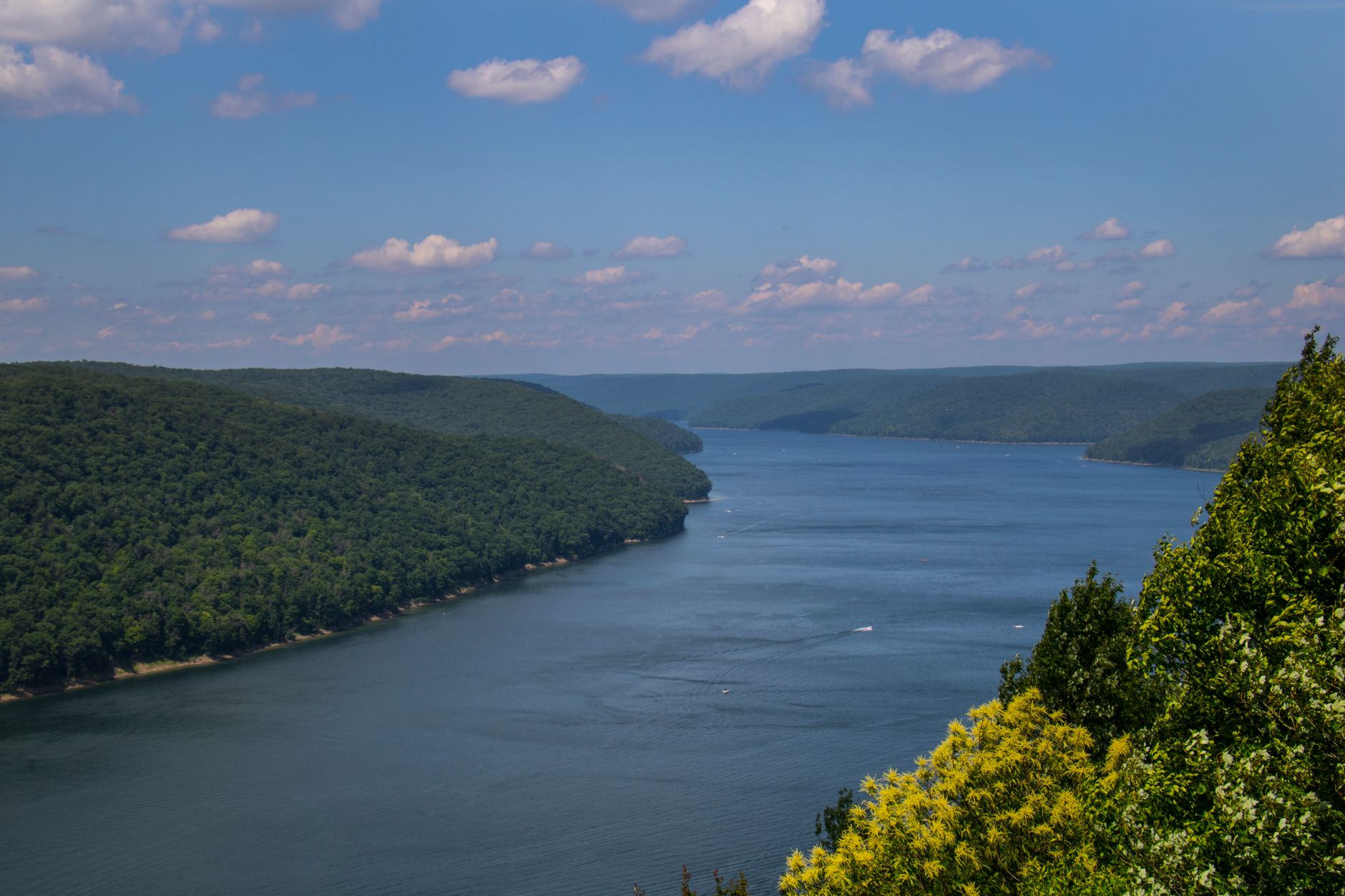
In the rolling hills and bustling cities of Pennsylvania, an often-overlooked clause in the state constitution is garnering renewed attention: the right of the people to clean air and pure water. As climate change accelerates and industrial activities intensify, this environmental mandate is proving more relevant than ever.
The Commonwealth of Pennsylvania, home to over 12 million people, has enshrined the preservation of the environment within its legal framework. This constitutional provision underscores the state's commitment to maintaining its natural beauty and resources, not merely as a luxury, but as a fundamental right of its citizens.
The Legal Backbone
Article I, Section 27 of the Pennsylvania Constitution, often referred to as the Environmental Rights Amendment, articulates this commitment clearly. It states, "The people have a right to clean air, pure water, and to the preservation of the natural, scenic, historic, and esthetic values of the environment." This mandate requires the state to act as a trustee of these resources, ensuring their protection for future generations.
This provision is not a mere symbolic gesture; it has real legal teeth. In recent years, Pennsylvania courts have increasingly referenced this amendment in cases involving environmental regulations. The amendment empowers citizens to hold the government accountable, demanding action against pollution and unchecked industrial growth.
Challenges and Opportunities
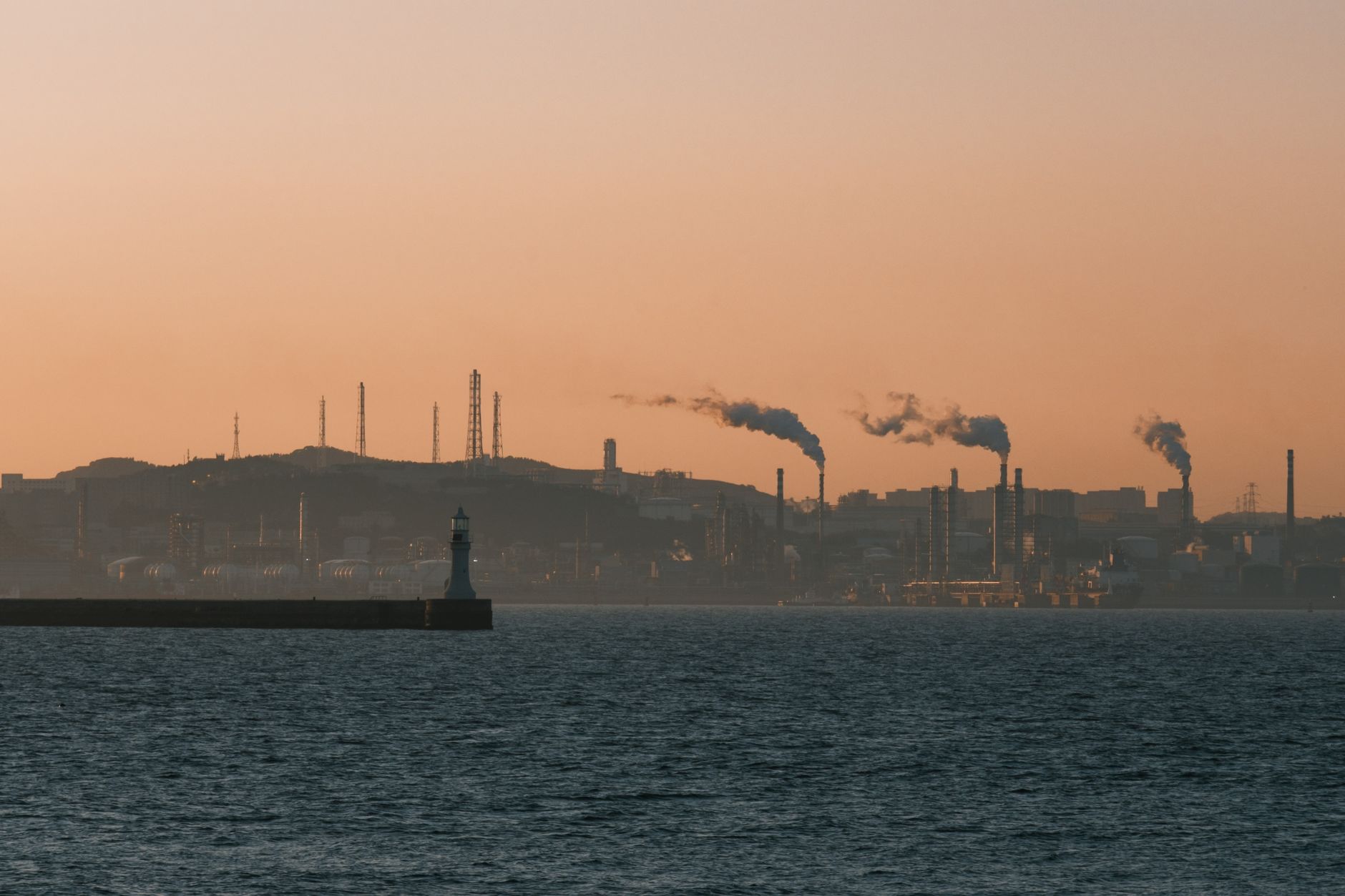
Despite its strong legal foundation, the implementation of this environmental right faces numerous challenges. Industrial interests and economic pressures often clash with environmental goals. Balancing economic growth with sustainable practices remains a contentious issue among policymakers.
Yet, the amendment also presents significant opportunities. It encourages innovation in clean energy, promotes sustainable development, and fosters a sense of responsibility among citizens. Environmental advocacy groups argue that this constitutional right can drive significant policy changes, making Pennsylvania a leader in environmental protection.
As the world grapples with the fallout from climate change, Pennsylvania's constitutional promise serves as both a shield and a sword. It shields its citizens from environmental degradation and serves as a sword to cut through the red tape that often hinders environmental progress. In a world increasingly aware of its ecological footprint, Pennsylvania's stance could well become a model for others to follow.