Perseverance Rover Uncovers Hints of Ancient Martian Life
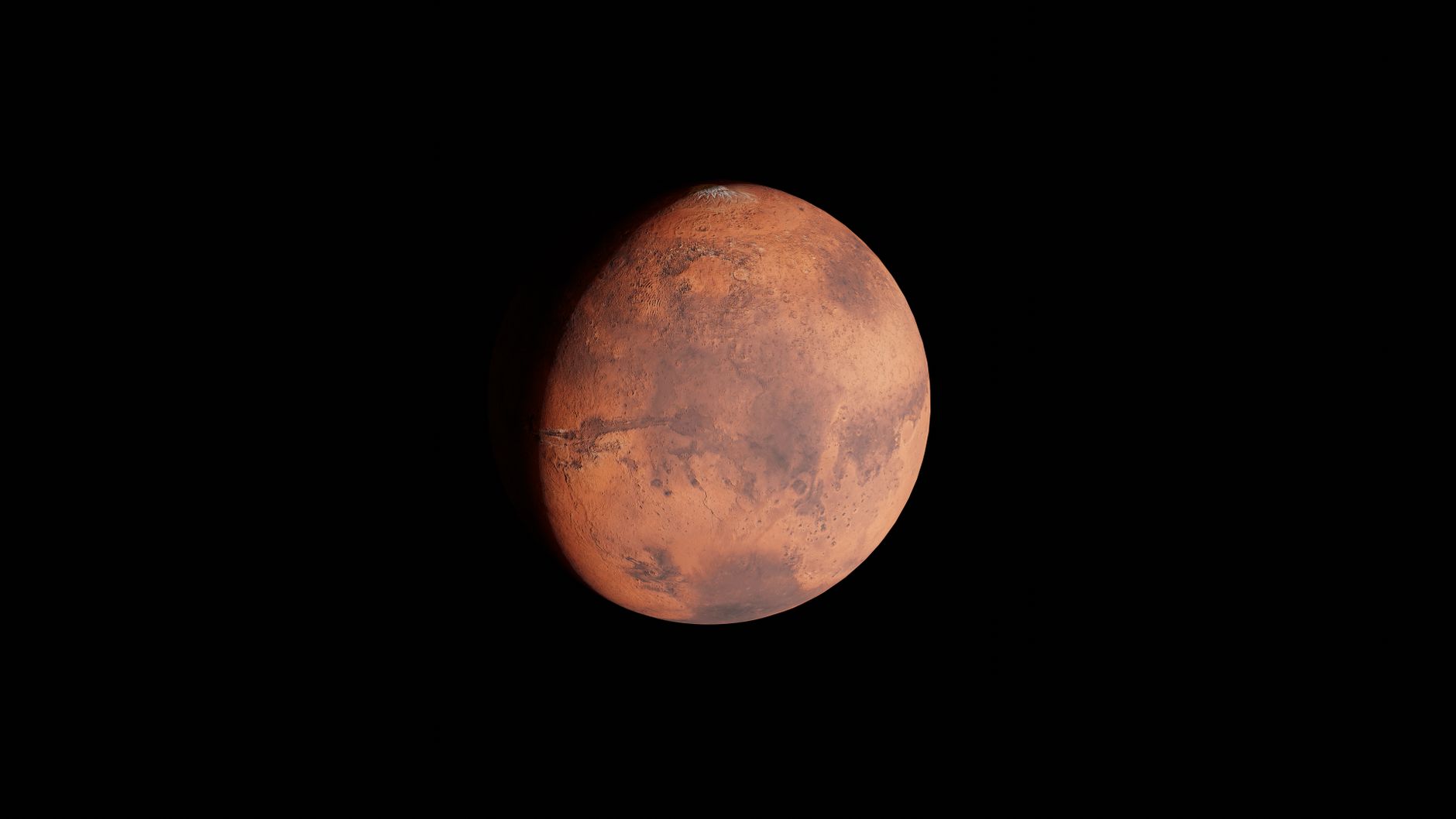
In a discovery that could redefine our understanding of the red planet, NASA's Perseverance rover has identified potential signs of ancient microbial life on Mars. This revelation comes from samples collected from Jezero Crater, a site believed to have once hosted a vast lake.
The samples, named 'Sapphire Canyon', were extracted from a rock dubbed 'Cheyava Falls'. Scientists are particularly intrigued by the presence of complex carbon molecules, which are often considered the building blocks of life. These molecules were found in rock formations that date back billions of years, to a time when Mars is thought to have been warmer and wetter.
The Significance of Sapphire Canyon
Dr. Michael Tice of Texas A&M University, a co-author of the study published in Nature, emphasised the importance of these findings. "The potential biosignatures suggest that Mars might have had the right conditions for life," he stated. This is not the first time scientists have speculated about past life on Mars, but the presence of complex organic compounds adds weight to the hypothesis.
Jezero Crater was chosen as Perseverance's landing site precisely for its geological diversity. The ancient river delta within the crater offers a tantalising glimpse into Mars' climatic history, with sediment that could hold secrets of past life.
Future Explorations and Implications
The discovery of these potential biosignatures is expected to guide future missions to Mars. The European Space Agency, in collaboration with Roscosmos, is planning its own rover mission to further investigate these findings. Meanwhile, NASA's Perseverance continues its exploration, equipped with tools that can drill, collect, and analyse Martian samples with unprecedented precision.
While definitive proof of life on Mars remains elusive, these findings are a significant step in the right direction. Should further analysis confirm the presence of ancient microbial life, it would be one of the most profound discoveries in human history, fundamentally altering our understanding of life's existence beyond Earth.