Pioneering Scientists Craft First Synthetic Cell from Scratch
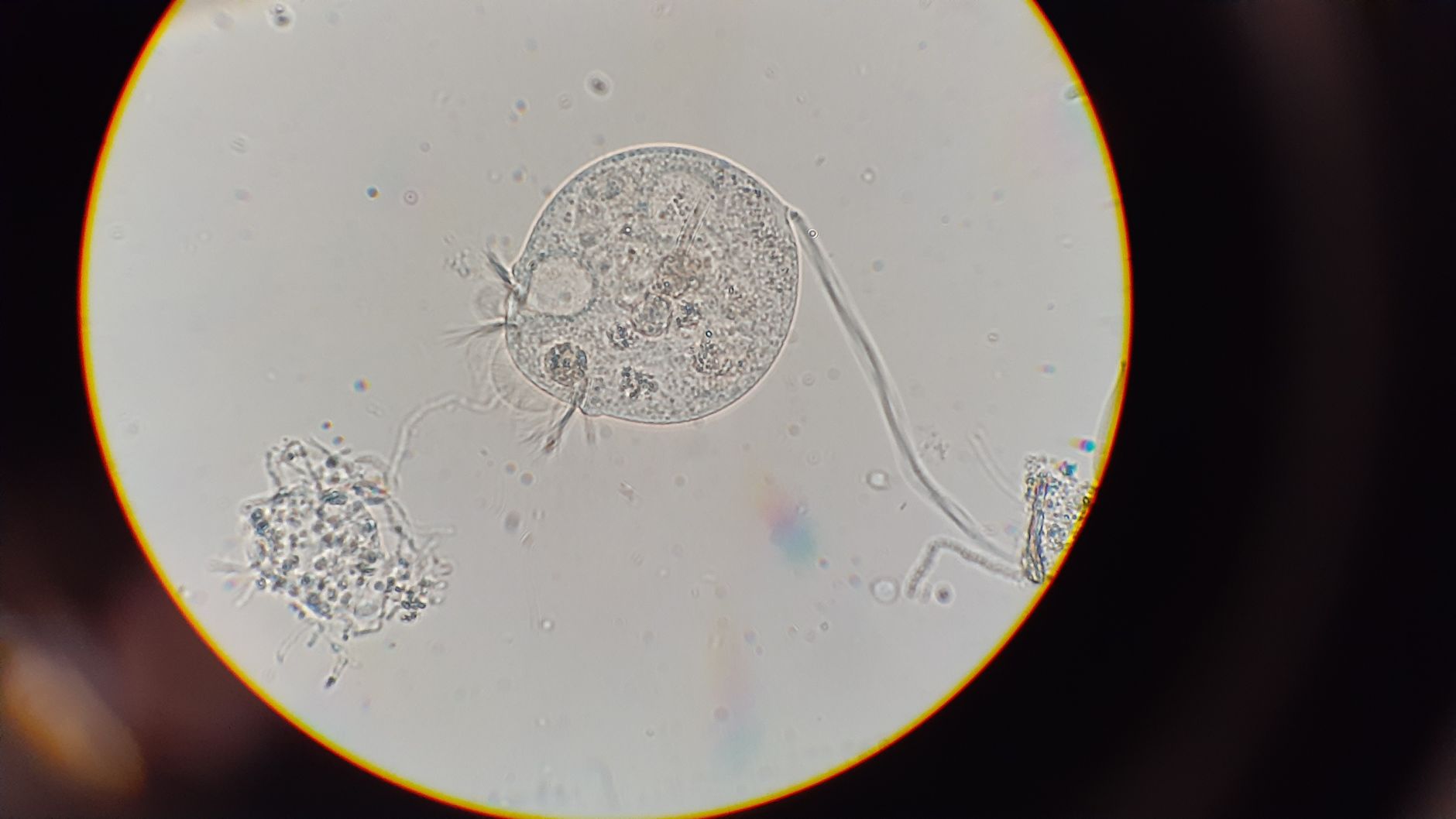
In a laboratory tucked away in Minnesota, scientists have done what was once the stuff of science fiction: they have built a living cell from scratch. This unprecedented achievement, which has been christened 'SpudCell', pushes the boundaries of synthetic biology and raises intriguing questions about the very essence of life.
The team at the University of Minnesota embarked on this daring project to assemble a cell using lab-made DNA and a host of synthetic components. Unlike previous efforts that relied on existing biological molecules, SpudCell is a creation entirely of the lab, capable of performing fundamental life processes such as feeding, growing, and crucially, reproducing.
Such an accomplishment is not merely a technical triumph; it is a philosophical leap. At its core, SpudCell challenges our understanding of what it means to be alive. Created devoid of evolutionary ancestors, it stands as a testament to human ingenuity and our ever-expanding grasp of biological engineering.
The Science Behind SpudCell
The construction of SpudCell was made possible through the use of the PURE system, a sophisticated toolkit of biomolecules including proteins and ribosomes, which facilitate the transcription of DNA into messenger RNA. This system, developed decades ago, provided the essential machinery for bringing SpudCell to life.
Professor Jane Doe, the lead researcher, remarked, "Creating SpudCell is like crafting a complex symphony from individually made notes. Each component was painstakingly assembled to mimic the natural processes of a living cell."
Implications and Ethical Considerations
The successful creation of a synthetic cell has profound implications. It opens the door to unprecedented possibilities in medicine, environmental science, and bioengineering. Yet, it also brings to the fore ethical questions about the nature of life and the potential consequences of creating organisms that could, in theory, evolve independently.
As the scientific community grapples with these questions, one thing is certain: SpudCell is not just a scientific milestone; it is a harbinger of the future of synthetic biology, where the line between the natural and the artificial becomes increasingly blurred.