Pioneering Scientists Forge First Synthetic Life from Scratch
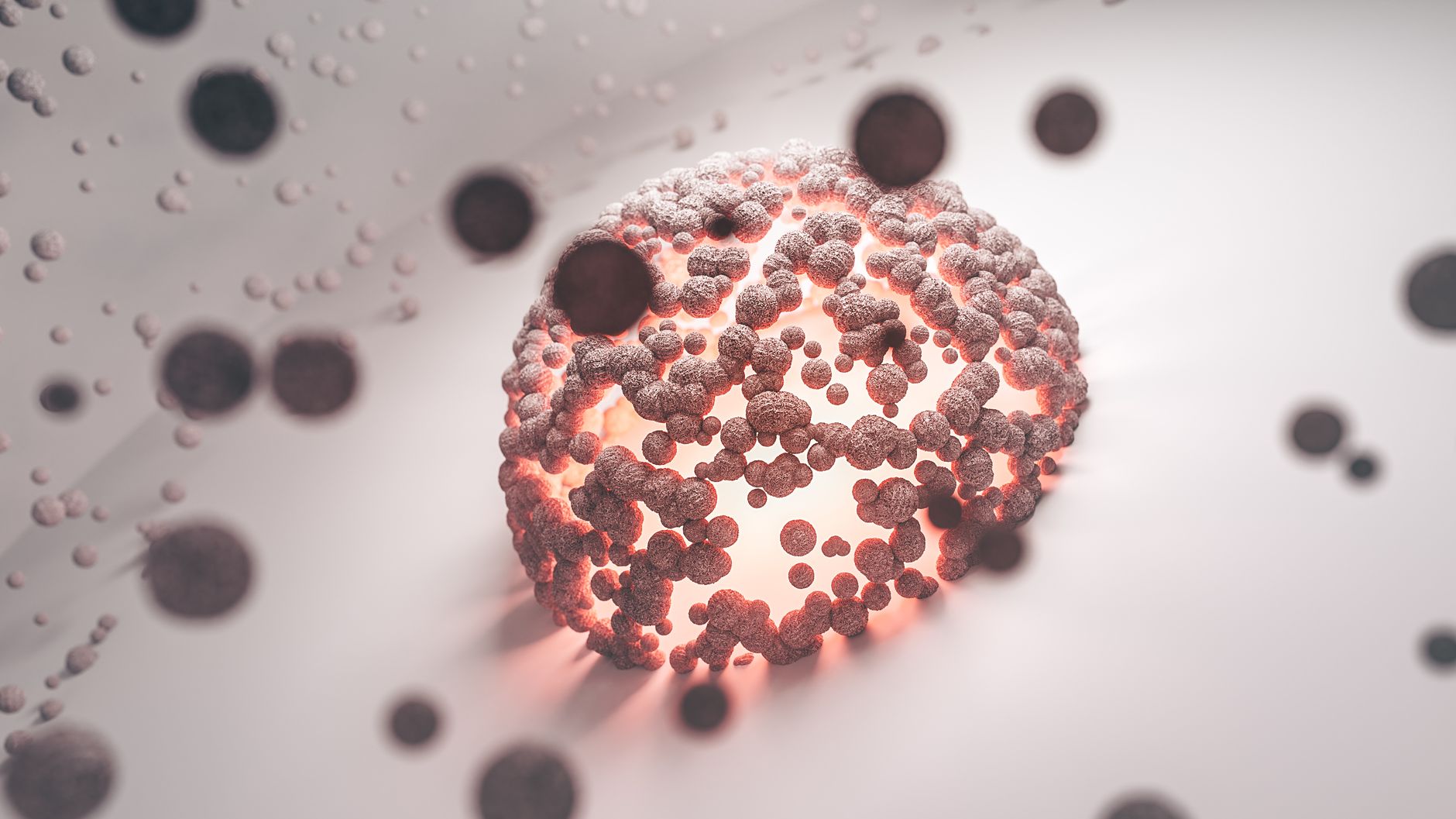
In a laboratory tucked away at the University of Minnesota, scientists have quietly rewritten the rules of biology. The team has successfully created the world’s first synthetic cell constructed entirely from scratch, capable of undergoing a complete life cycle, including reproduction. This feat marks a momentous stride in synthetic biology, a field that continually challenges the boundaries of what is considered possible.
Unlike previous attempts, which largely relied on existing living cells as templates, this new synthetic cell was built from the ground up. The scientists meticulously assembled it, combining non-living materials in a complex process that culminated in the cell exhibiting lifelike properties. It is, in essence, a proof of concept that nonliving materials can be animated into something that resembles life, if not life itself.
The Implications of Synthetic Life
Such a breakthrough holds immense potential. Synthetic cells could revolutionise the development of new cancer treatments by offering precision-targeted therapies. Moreover, they present novel opportunities for carbon capture, promising a more sustainable approach to combating climate change. The possibilities extend to chemical manufacturing, where synthetic cells might offer cleaner and more efficient production methods.
Yet, this pioneering work isn’t just about the practical applications. It also invites philosophical and ethical questions about the nature of life. The creation of life from non-living materials challenges our definitions and understanding of life itself.
A New Frontier in Biology
The University of Minnesota’s achievement heralds a new frontier in the study and manipulation of life. As researchers continue to fine-tune their creations, the potential for synthetic cells to address some of the world’s most pressing issues grows ever more conceivable. However, as with all cutting-edge science, it raises questions about regulation, safety, and the moral implications of engineering life from scratch.
For now, the scientific community watches with keen interest. The implications of this research are profound, not only for biology but for humanity’s quest to understand life itself. As we stand on the brink of a new era, the line between living and non-living blurs ever so slightly, inviting us to reconsider what it truly means to be alive.