Rahul Gandhi Questions Modi's Silence on Education Minister Amid Scandals
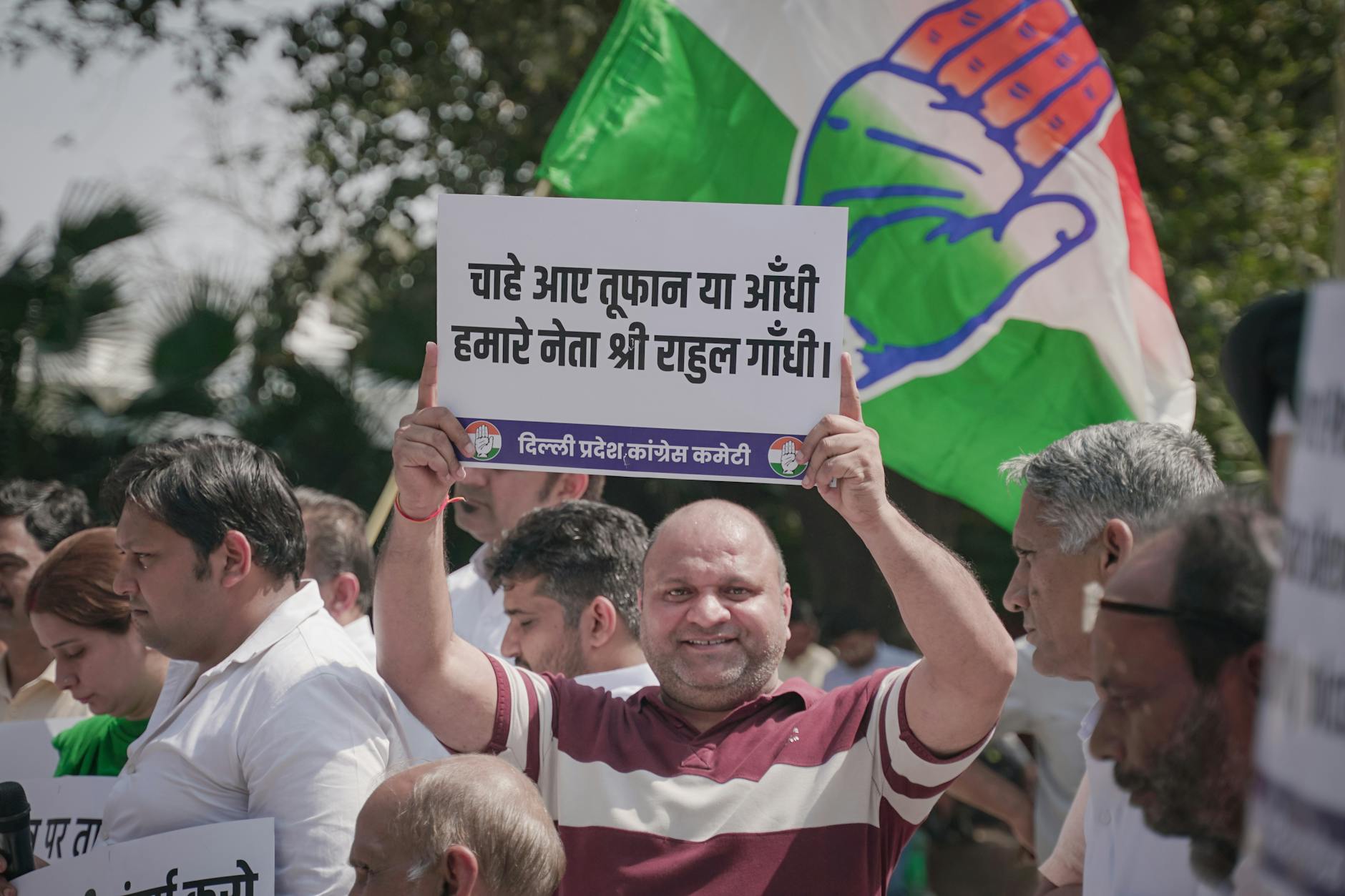
In a blistering critique, Rahul Gandhi has once again taken aim at Prime Minister Narendra Modi, demanding answers over the continued presence of Education Minister Dharmendra Pradhan in the cabinet amidst repeated examination paper leaks. The Congress leader's questions were pointed and public, heavily implying a lack of ministerial accountability within the current administration.
Gandhi’s inquiry, articulated through his social media platforms, was not merely rhetorical. It underscores a persistent issue within the Indian education sector: the integrity of examinations. The repeated leaks, most recently affecting the highly competitive NEET-UG, have shaken public confidence. Gandhi's use of the hashtag '#SackPradhan' reflects not just a political jab but a call for accountability in a system where such scandals have become disturbingly frequent.
What makes this political confrontation particularly resonant is Gandhi's ability to tap into public discontent. The paper leaks have affected students across various age groups, thwarting their academic journeys and casting a shadow over their future prospects. In this context, Gandhi’s questions are as much about educational reform as they are about political accountability.
Despite the severity of the allegations, the government has largely remained silent, with no formal response from Prime Minister Modi or his cabinet. This silence, according to critics, suggests an unwillingness to confront failings within the education ministry.
Political Ramifications
The implications of this silence are not confined to the education sector alone. They pose broader questions about governance and transparency under Modi's leadership. The government's hesitance to address these issues head-on may be perceived as a reluctance to disrupt the status quo, even at the cost of public trust.
As the call for Pradhan's dismissal gains traction, Modi's response—or lack thereof—could significantly influence public perception of his administration's priorities. Whether this will lead to tangible changes in the education ministry remains uncertain, but the discourse has undeniably shifted towards demanding greater accountability.
In conclusion, while Gandhi's critique may appear as a political manoeuvre, it has ignited a necessary debate on the state of education in India. The coming weeks will likely test the government's resolve to address these pressing concerns head-on.