Real Estate Reimagined: Adapting to Climate Change
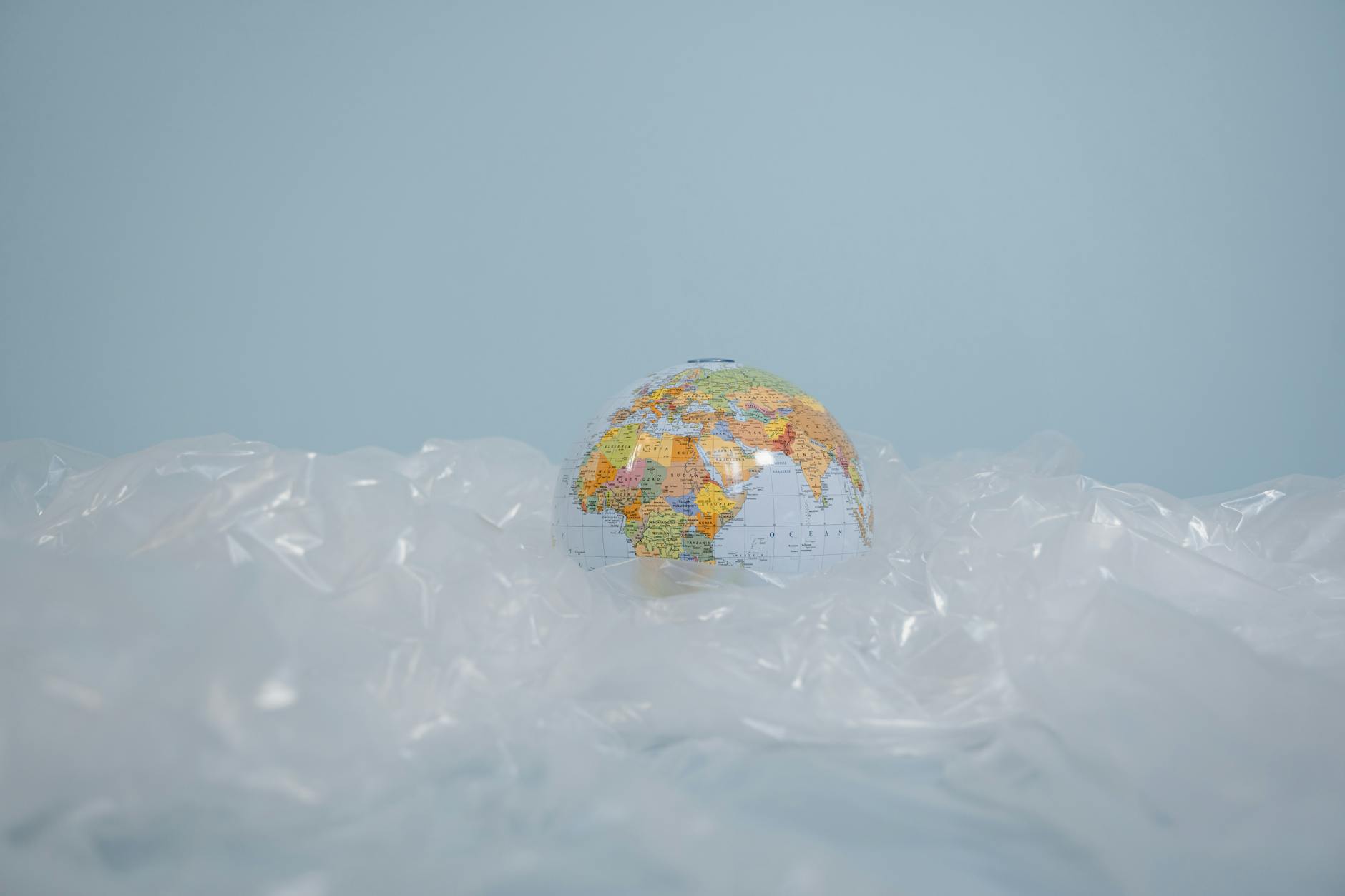
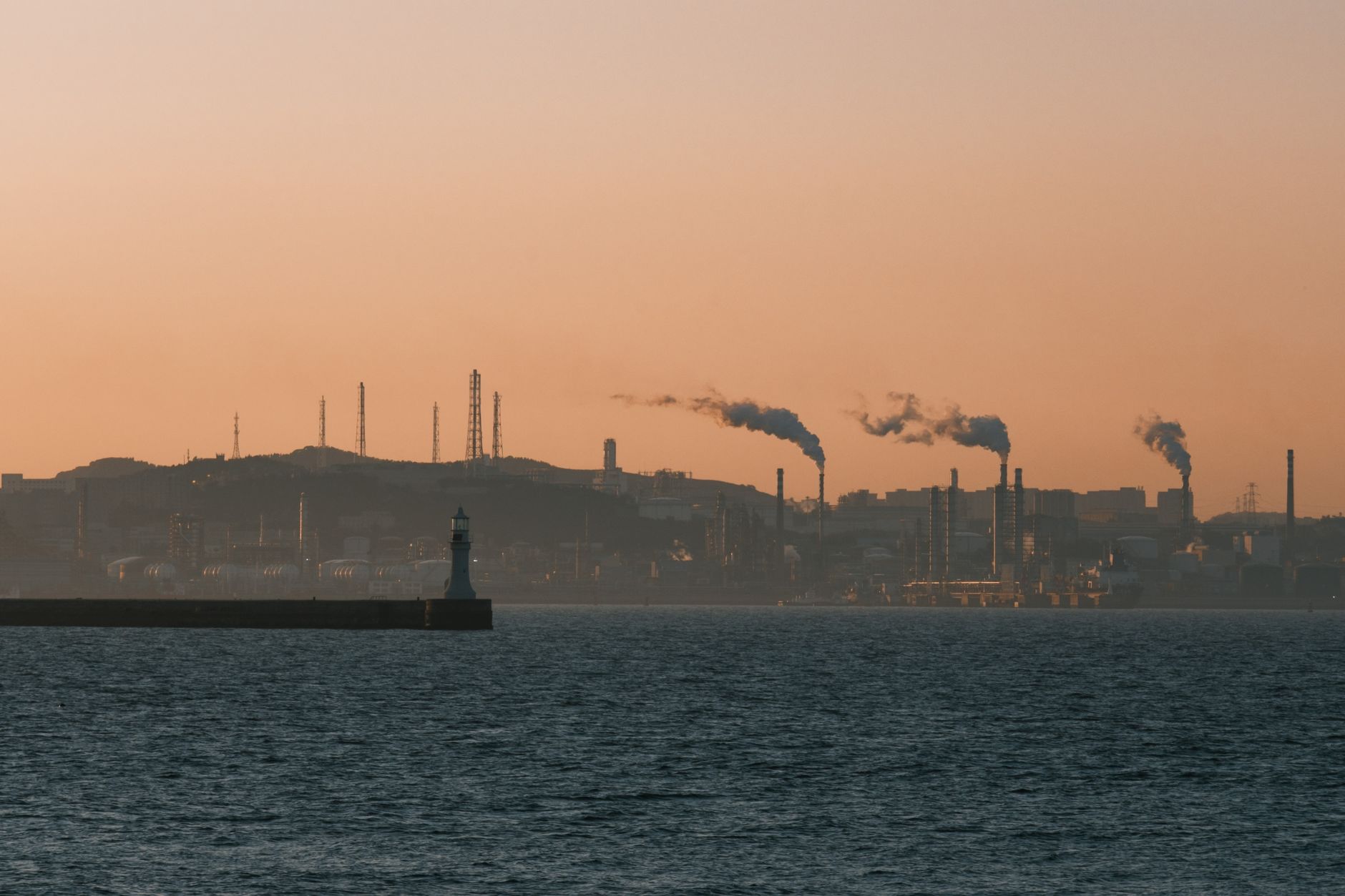
The real estate industry, often seen as a bastion of tradition, finds itself on the frontline of climate change adaptation. As World Environment Day 2026 draws attention to the planet's urgent calls for action, real estate developers are compelled to reassess their strategies amidst rising sea levels and erratic weather patterns.
This year, the global event, hosted by Azerbaijan, underlines the necessity of integrating sustainable practices into economic systems. It’s a clarion call not just to reduce carbon footprints, but to fundamentally rethink how industries operate.
Rethinking Real Value
Gone are the days when location alone dictated property value. Today, the proximity to flood zones or areas prone to extreme weather events significantly influences real estate valuations. Developers are now prioritising resilience, building flood defences, and considering the long-term viability of their projects in the face of environmental uncertainties.
“Climate change is rewriting the rules of real estate,” comments James Thornton, a leading environmental economist. “It is not just a future threat; it is a present reality that affects the bottom line.”
Innovating for Sustainability
In response, innovation is taking centre stage. Developers are exploring eco-friendly materials, renewable energy sources, and smart building technologies to create sustainable spaces that appeal to environmentally conscious buyers. These shifts are not merely ethical; they are becoming essential for economic survival.
As the focus of World Environment Day 2026 emphasises, the stakes are high. The real estate sector must navigate these changes deftly, recognising that the signals sent back to the planet matter as much as those received.
Ultimately, the challenge lies in adapting quickly and effectively, ensuring that the homes and cities of tomorrow are not only resilient but also harmonious with the environment. The future of real estate, it seems, rests not in bricks and mortar, but in sustainable innovation and climate-conscious planning.