Real Estate's Urgent Shift: Climate Change's New Reality

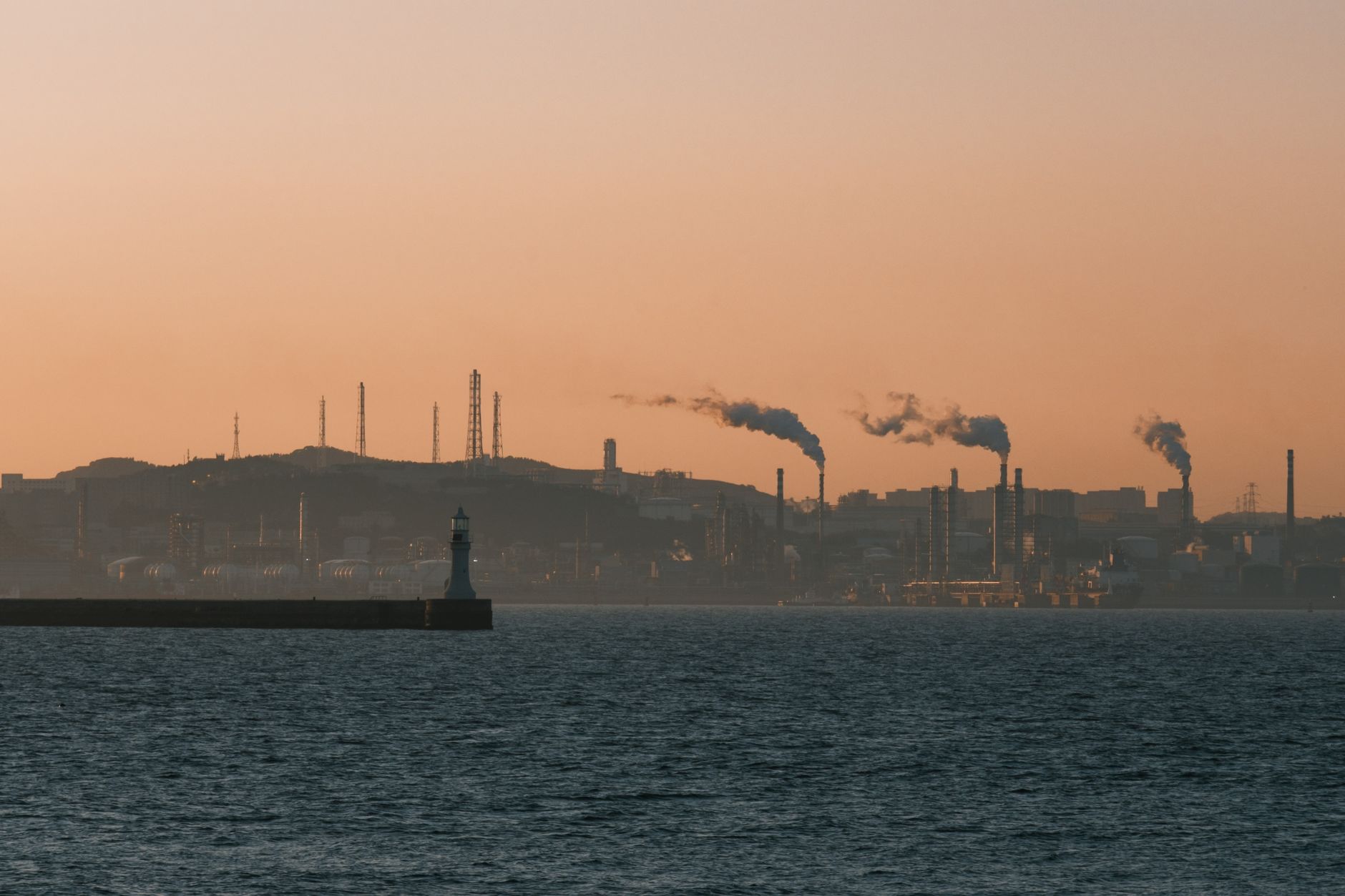
As dawn breaks on World Environment Day 2026, the global focus shifts to an issue increasingly at the core of economic and environmental discourse: the adaptation of the real estate sector to climate change. The Republic of Azerbaijan hosts this year's celebrations under the theme of climate action and systemic reform, urging industries to rethink their roles in the planet's future.
The real estate industry, often seen as a bastion of stability and long-term investment, is now facing the harsh realities of a changing climate. Rising sea levels, frequent flooding, and the relentless march of extreme weather events are no longer hypothetical scenarios. They are present-day challenges that threaten to erode property values and reshape markets worldwide.
Adapting to New Realities
For decades, location, location, location has been the mantra of real estate. Yet, as environmental conditions shift, so too does the desirability of these locations. Coastal properties, once coveted for their views and proximity to the sea, are now scrutinised for their vulnerability to inundation and storm surges. In response, developers are increasingly integrating climate resilience into their plans, considering factors like elevation, flood defences, and sustainable building materials.
This shift is not just a matter of protecting investments; it's about survival. The industry's ability to pivot towards sustainable practices could well determine its future viability. Architects and engineers are at the forefront, pioneering designs that harmonise with the environment rather than exploit it.
Reimagining Economic Systems
World Environment Day 2026 reminds us that addressing climate change requires more than just individual action; it demands a collective reimagining of the economic systems that underpin our societies. The real estate sector, with its vast influence, has a pivotal role to play. By adopting green building standards and prioritising energy efficiency, the industry can lead by example in reducing carbon footprints.
This year's theme underscores the interconnectedness of climate action and economic reform. As policies evolve to reflect the urgency of the climate crisis, so too must the sectors that drive growth. The real estate industry, by embracing sustainability, not only safeguards its future but also contributes to a broader global effort to combat climate change.
In the end, World Environment Day 2026 calls for a unified response to the environmental challenges before us. As the Earth continues to send unmistakable signals, it is up to humanity to heed the warnings and act decisively. The real estate sector stands at a crossroads, with the choice to either adapt or face obsolescence. The time for action is now.