Regulatory Loophole Fuels NTPC's Solar Ambition Near Gujarat's Wetlands
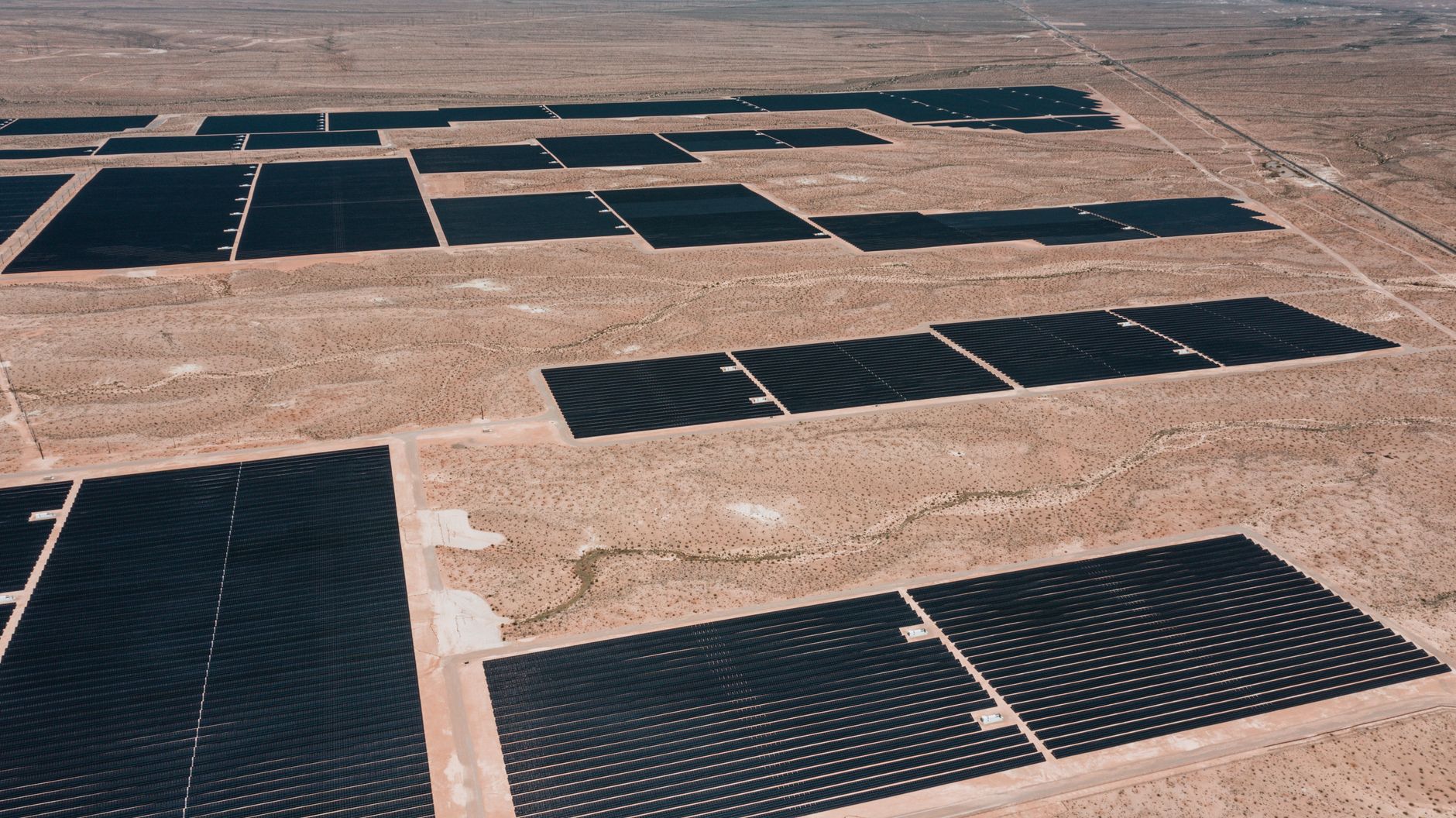
In the shadow of Gujarat's vibrant wetlands, a vast 4,500-acre solar project by NTPC is quietly taking shape. This ambitious venture, however, is not without controversy. Environmentalists are sounding alarms, pointing to a gap in regulation that has allowed the project to proceed with minimal scrutiny.
The wetlands, a haven for diverse wildlife and migratory birds, face potential disruption from the development. Critics argue that the lack of comprehensive environmental impact assessments could lead to irreversible damage to these fragile ecosystems.
Regulatory Oversight
The absence of stringent environmental laws governing solar projects in sensitive areas is at the heart of the issue. While India's push towards renewable energy is commendable, the regulatory framework has lagged, leaving room for potential ecological neglect.
NTPC, India's largest energy conglomerate, has defended its project, asserting that it adheres to the existing guidelines. Yet, this very assertion highlights the crux of the problem: the guidelines themselves are inadequate for safeguarding environmentally significant regions.
A Balancing Act
The dilemma underscores a broader challenge: how to reconcile India's renewable energy goals with the preservation of its natural heritage. As the country races to meet its carbon reduction targets, projects like NTPC's solar farm are crucial. However, they must not come at the expense of biodiversity and ecological balance.
Local communities, too, are caught in this balancing act. Many rely on the wetlands for their livelihoods, fishing, and agriculture. The promise of clean energy and job creation is enticing, but the potential environmental costs are equally significant.
In the end, this episode serves as a stark reminder of the need for robust environmental regulations that keep pace with technological and industrial advancements. Only then can India truly achieve sustainable development that honours both its energy needs and environmental commitments.