Regulatory Loophole Sparks Controversy Over NTPC's Solar Expansion
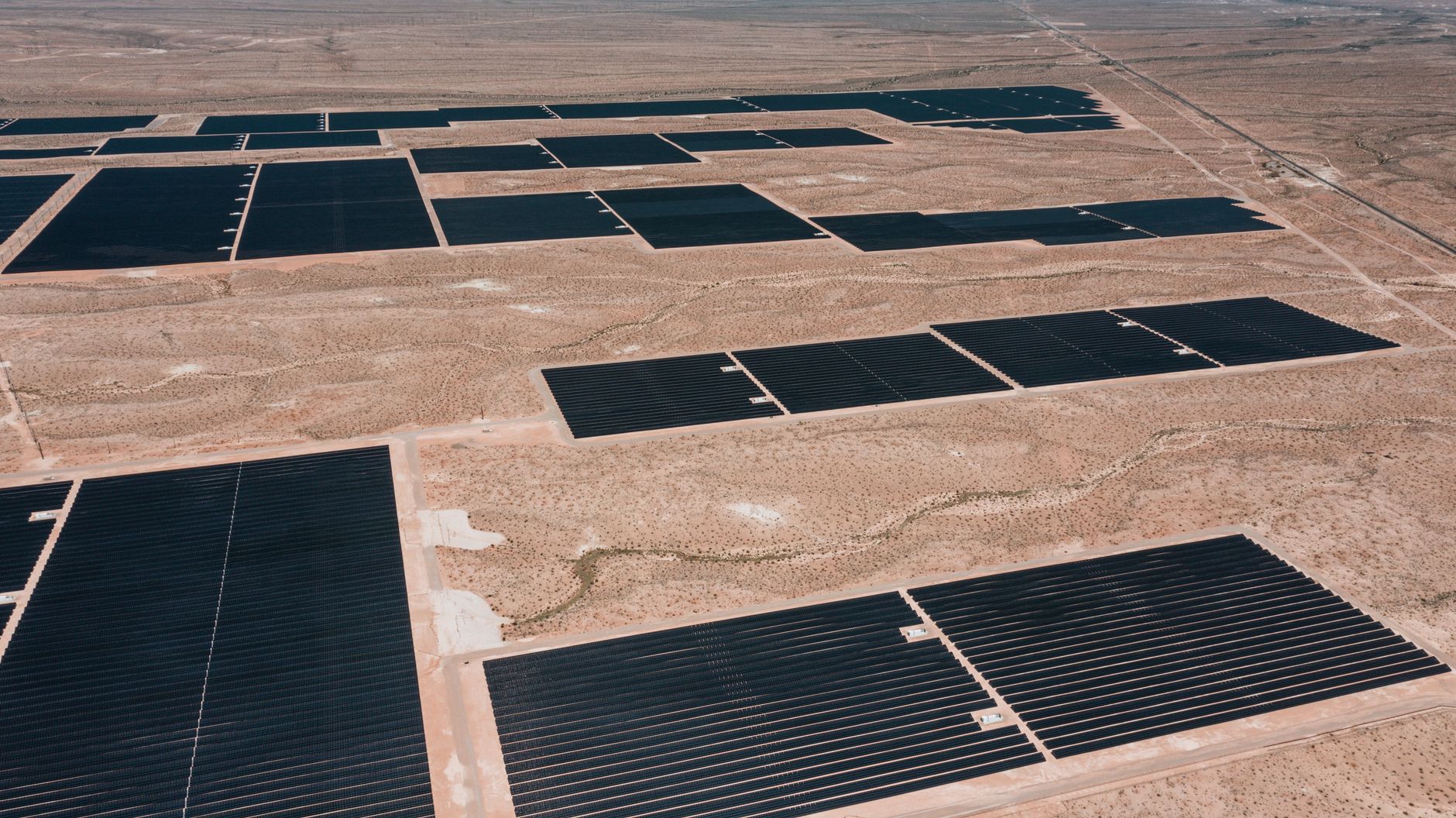
The sun shines brightly on NTPC's 4,500-acre solar project near Gujarat's wetlands, but not without casting a long shadow of controversy. The project, touted as a beacon of renewable energy capable of lighting up 180,000 homes each year, has become a flashpoint for debates over environmental regulation.
At the heart of the issue lies a regulatory lacuna. While the advancement of solar energy is widely welcomed, critics argue that the current regulatory framework is insufficiently robust in determining the most appropriate sites for such vast installations. The proximity of the project to ecologically sensitive wetlands has raised alarms among environmentalists who fear irreversible damage to the habitat.
Environmental Concerns
Environmentalists have voiced concerns that the solar project, while green in its energy production, may not be as environmentally benign as it seems. The wetlands in question serve as a critical habitat for numerous bird species and other wildlife. "The lack of a comprehensive environmental impact assessment process means we could be trading one ecological footprint for another," warns Dr. Anjali Menon, an environmental scientist.
The controversy highlights a broader challenge faced by India as it seeks to balance its ambitious renewable energy targets with the preservation of its natural environments. The country aims to achieve 450 GW of renewable energy by 2030. Projects like NTPC's are crucial to this goal, yet they must navigate the complex terrain of environmental sustainability.
The Need for Regulatory Reform
The calls for reform are growing louder. Experts suggest that a more stringent regulatory process could ensure that future projects do not encroach upon ecologically sensitive areas. "We need a framework that not only promotes renewable energy but also safeguards our natural heritage," insists Ramesh Kumar, a policy analyst.
As India continues to embrace solar energy, the NTPC project serves as a reminder of the intricate balance required between development and conservation. The dialogue surrounding this project could pave the way for more nuanced regulatory approaches, ultimately ensuring that the push for green energy does not come at the expense of the environment.