Regulatory Oversight Enables Massive Solar Project Near Gujarat Wetlands
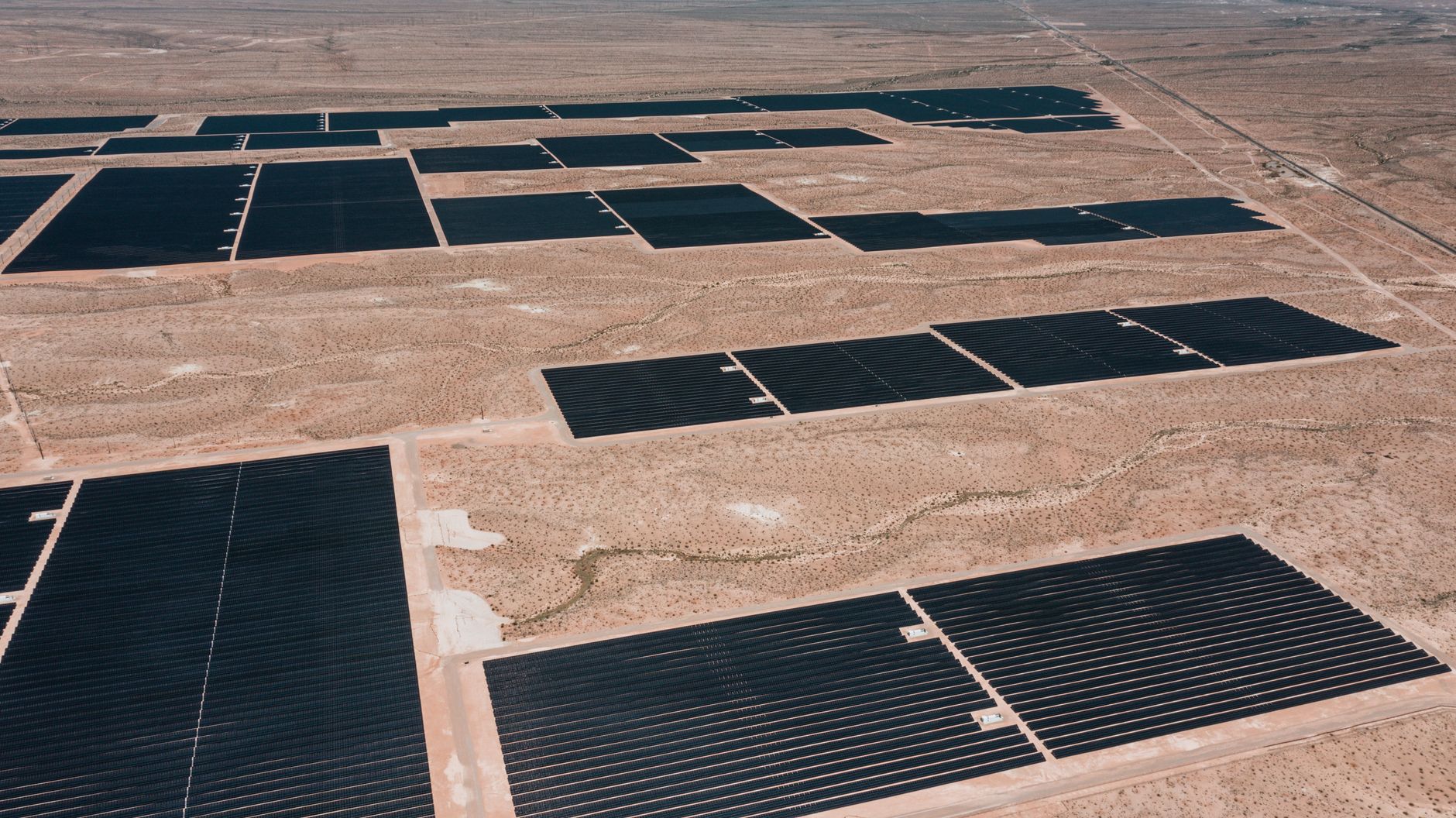
In a country striving to balance development with ecological conservation, the National Thermal Power Corporation's (NTPC) ambitious 4,500-acre solar project near Gujarat's wetlands has become a point of contention. The project's location has brought to light significant gaps in India's environmental regulatory framework, which critics argue fails to adequately assess the suitability of sites for such large-scale initiatives.
The wetlands of Gujarat, known for their rich biodiversity and role in supporting local ecosystems, have long been a subject of environmental interest. Yet, as the NTPC moves forward with its solar installation, questions arise about the rigour of the current regulatory processes. While the transition to renewable energy sources like solar is undeniably vital for reducing carbon emissions, the location of this project raises concerns about potential impacts on local wildlife and water resources.
Regulatory Shortcomings
At the heart of the issue lies a regulatory framework that some consider outdated and ill-equipped to handle the complexities of modern environmental challenges. Current guidelines do not mandate a thorough environmental impact assessment (EIA) specifically focused on site selection for renewable energy projects. This oversight is particularly troubling when projects are proposed near ecologically sensitive areas.
Environmental activists and local communities have voiced concerns that the existing regulations do not adequately account for the cumulative impact of development projects on ecosystems. The absence of mandatory comprehensive assessments means that projects can proceed without a full understanding of their environmental repercussions.
The Way Forward
For India to continue its path towards sustainable energy, a recalibration of its regulatory approach is needed. Policymakers must prioritise the development of stringent guidelines that ensure renewable energy projects do not come at the cost of the environment. This includes instituting mandatory EIAs that consider the unique ecological needs of proposed sites.
As the NTPC project progresses, it serves as a crucial reminder of the delicate balance between advancing sustainable energy and preserving our natural heritage. To avoid compromising one for the sake of the other, a more holistic regulatory framework is imperative.
In conclusion, while the promise of solar energy is substantial, the path to realising it sustainably lies in reforming our approach to environmental governance. Only then can India hope to achieve its green energy goals without sacrificing its ecological wealth.