Regulatory Oversight Fuels Controversy Over NTPC's Solar Venture
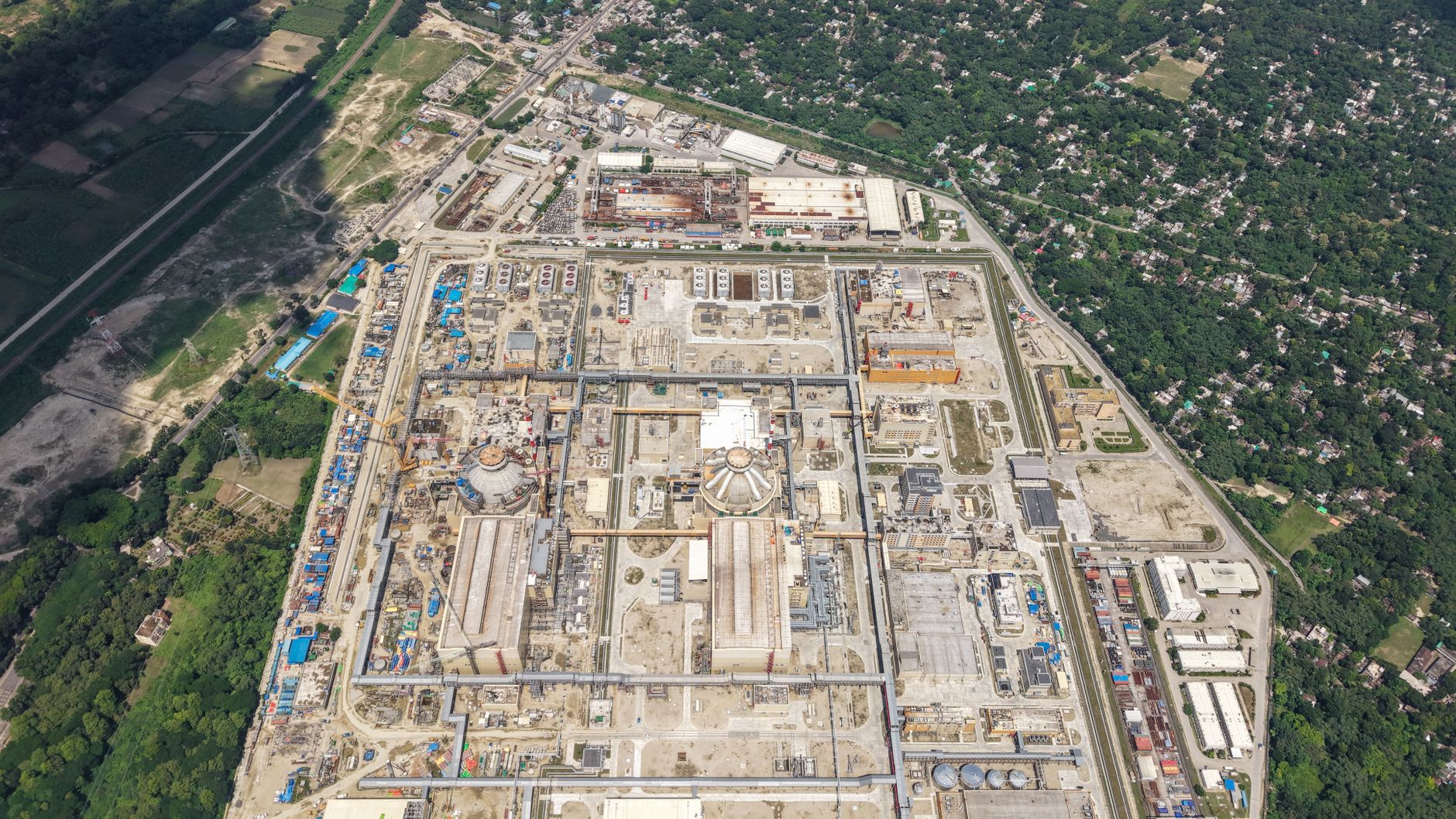
In the arid expanses of Gujarat, where the sun rarely shies away, an ambitious solar project is casting a long shadow—both literally and figuratively. The NTPC's 4,500-acre solar venture has reignited discussions around environmental oversight and the adequacy of current regulations governing such large-scale developments.
While the project promises to bolster India's renewable energy capacity, a critical gap in environmental regulation has come to light. The concern is not about the project's existence but its location—perilously close to sensitive wetlands. These wetlands are not just pools of biodiversity but crucial buffers against climate change, providing essential ecosystem services.
Regulatory Framework Under Scrutiny
At the heart of the controversy is whether existing environmental regulations provide a comprehensive mechanism for evaluating the best sites for renewable projects. Critics argue that the current framework lacks the nuance required to balance ecological preservation with developmental aspirations. The regulations, they suggest, are more procedural than protective, often focusing on compliance rather than genuine environmental stewardship.
Dr. Suman Joshi, an environmental analyst, explains, "The guidelines need a rethink. We must ensure that green energy projects are truly green, and that begins with careful site selection." This sentiment echoes among conservationists who worry that the absence of robust regulations might set a precedent for future projects, potentially threatening other ecologically sensitive areas.
A Need for Strategic Planning
India's push towards renewable energy is undeniably crucial in the global fight against climate change. However, experts emphasize that strategic planning must accompany this transition. "Site selection should be as critical a component as the technology itself," notes Raj Patel, a renewable energy consultant. "We cannot afford to compromise on our natural heritage in the quest for progress."
Ironically, the drive to combat climate change could inadvertently harm the very ecosystems that help mitigate its effects. This paradox underscores the importance of a regulatory framework that is both flexible and rigorous, capable of adapting to the unique challenges posed by each project.
As the debate continues, one thing is clear: the journey to a sustainable future must tread lightly over the landscapes it seeks to save. Only then can the promise of renewable energy be fully realised, without sacrificing the natural world we aim to protect.