Revealing the Mind's Mysteries: Brain Activity Under Anaesthesia
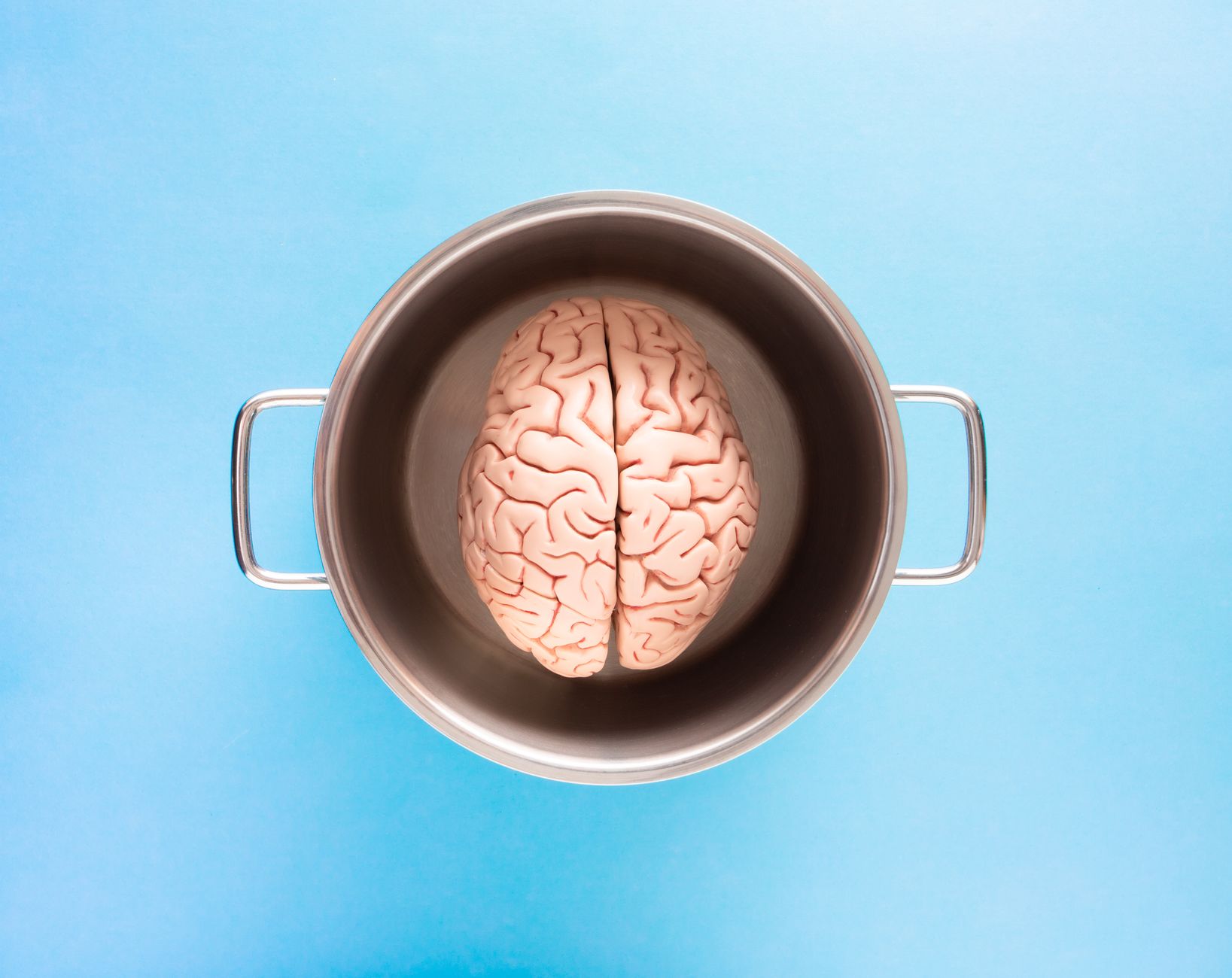
In a revelation that has left scientists both intrigued and baffled, recent research suggests that the human brain, even when cloaked in the deep veil of anaesthesia, is anything but dormant. Conducted by the Baylor College of Medicine, the study sheds light on a previously concealed aspect of brain activity, challenging the conventional wisdom about consciousness.
The investigation focused on the brain's hippocampus, a region traditionally associated with memory and learning. Researchers discovered that, contrary to long-held beliefs, individuals under general anaesthesia can still process language and even learn to recognise sounds. This surprising capability suggests that the unconscious mind is more alert and capable than previously acknowledged.
The Implications of Unconscious Learning
Such findings are not merely academic; they have far-reaching implications for our understanding of consciousness and cognitive function. If the brain can interpret language and acquire new information while ostensibly 'asleep', it raises profound questions about the nature of awareness. Are we truly ever wholly unconscious, or is there a spectrum of cognitive activity that persists even in states of deep sedation?
This research could pave the way for revolutionary advancements in medical science, particularly in areas involving brain-computer interfaces and the treatment of cognitive disorders. By better understanding how the brain operates under anaesthesia, scientists might develop new techniques to harness this hidden potential, perhaps even facilitating learning during surgery.
Rethinking Consciousness
The traditional view of anaesthesia as a switch that simply 'turns off' consciousness is now under scrutiny. The study's findings suggest that rather than a binary state of being 'on' or 'off', consciousness may exist on a continuum. This paradigm shift in understanding could lead to novel approaches in anaesthetic practices, ensuring patient safety while potentially unlocking new dimensions of learning and memory retention.
As science continues to unravel the complexities of the human mind, these revelations remind us of the vast unknowns that still lie within our neural pathways. The mystery of consciousness endures, and with each discovery, we edge closer to comprehending the full extent of the brain's capabilities.