Revolution in Fastening: The Three-Sided Zipper Unveiled
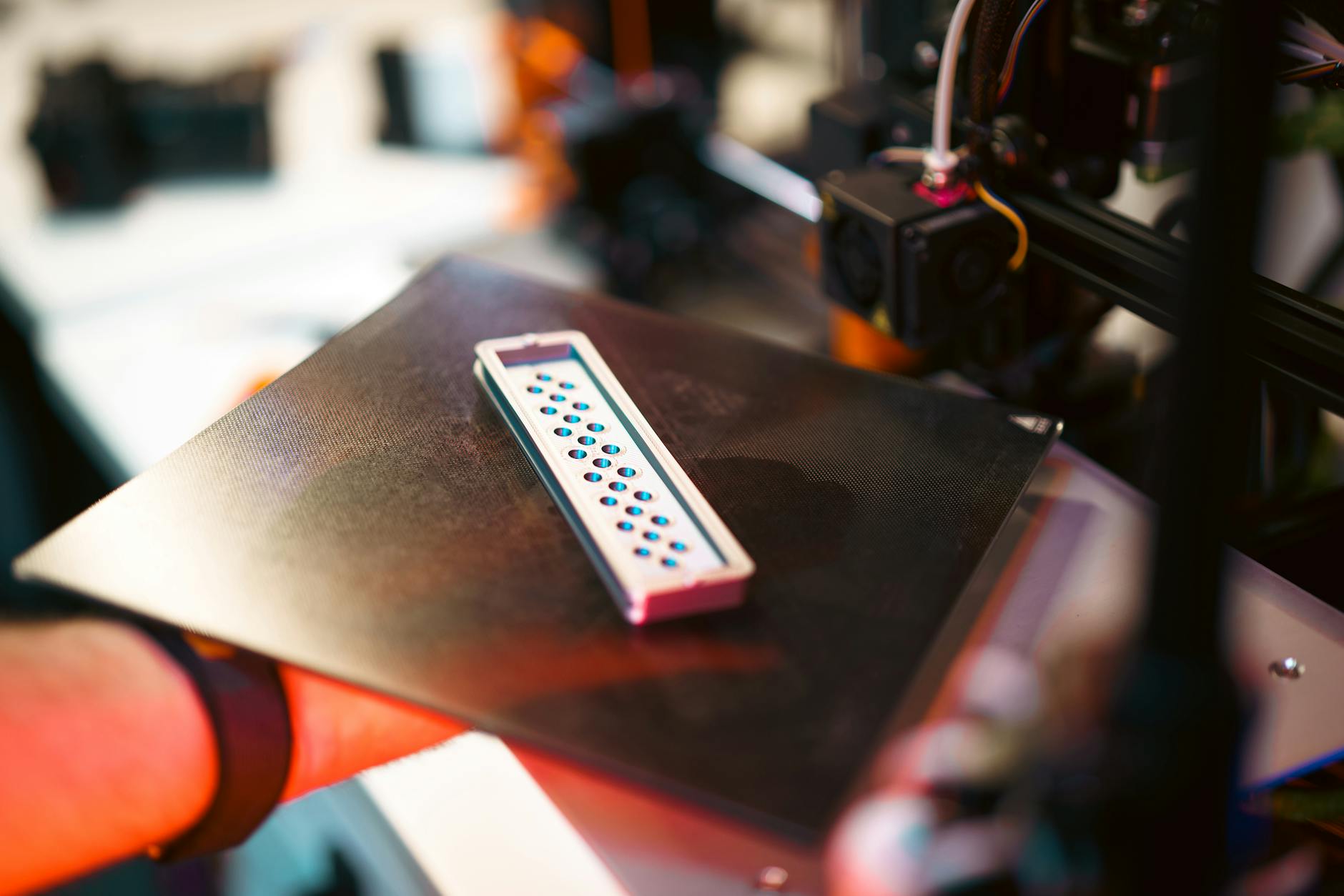
At long last, the fastening world has witnessed a breakthrough that has been four decades in the making. The three-sided zipper, a project long relegated to the realm of science fiction, has become a tangible reality thanks to the marvels of modern technology. This innovation, driven by advancements in 3D printing and sophisticated design software, promises to redefine how we think about fasteners.
Known as the Y-zipper, this ingenious system can transition effortlessly between flexible and rigid states. This adaptability is not merely a technical curiosity but a practical solution with wide-ranging applications. Imagine a tent that can morph from a pliable shelter to a robust refuge against the elements, or medical braces that adjust to the body's movements while providing necessary support.
The Massachusetts Institute of Technology's Computer Science and Artificial Intelligence Laboratory (CSAIL) has been at the forefront of this development. Their automated design tool allows users to customise these zippers for specific needs, a feat that was previously unthinkable. Prior attempts at similar technology were marred by cumbersome manual assembly and limited reversibility. The Y-zipper, however, promises a seamless experience that could revolutionise industries reliant on adaptable materials.
While the concept of a three-sided zipper may seem niche, its implications are vast. In an age where versatility is paramount, such technology could pave the way for innovations in areas as varied as fashion, construction, and emergency response. The ability to rapidly alter the characteristics of a material without changing its integral structure is a game-changer in material science.
As this technology begins to permeate the market, it will be fascinating to see how industries adapt and integrate this new tool into their designs. The long wait may finally be over, but for the three-sided zipper, the journey has just begun.