Revolutionising Health: Integrated Sensing Networks Take Centre Stage
At the intersection of health, technology, and the environment, integrated sensing networks are emerging as a key player in the One Health monitoring paradigm. These sophisticated networks, consisting of miniature, intelligent sensor nodes, are poised to revolutionise the way we track and respond to health threats across human, animal, and environmental domains.
The concept of One Health, which recognises the interconnectedness of human, animal, and environmental health, has been gaining momentum. However, effective monitoring has often been hampered by outdated technologies and fragmented data systems. Enter the era of integrated sensing networks—an era where low-power, cost-effective sensors communicate vital signs efficiently and in real-time.
The Technology Behind the Innovation
Recent advancements in wireless sensor networks (WSNs) have paved the way for the development of these integrated systems. Utilising low-power integrated circuits and wireless communications, these networks are capable of processing and transmitting data from multiple sensor nodes. This capability allows for the seamless integration into existing health surveillance frameworks, enabling comprehensive monitoring and rapid response to potential health crises.
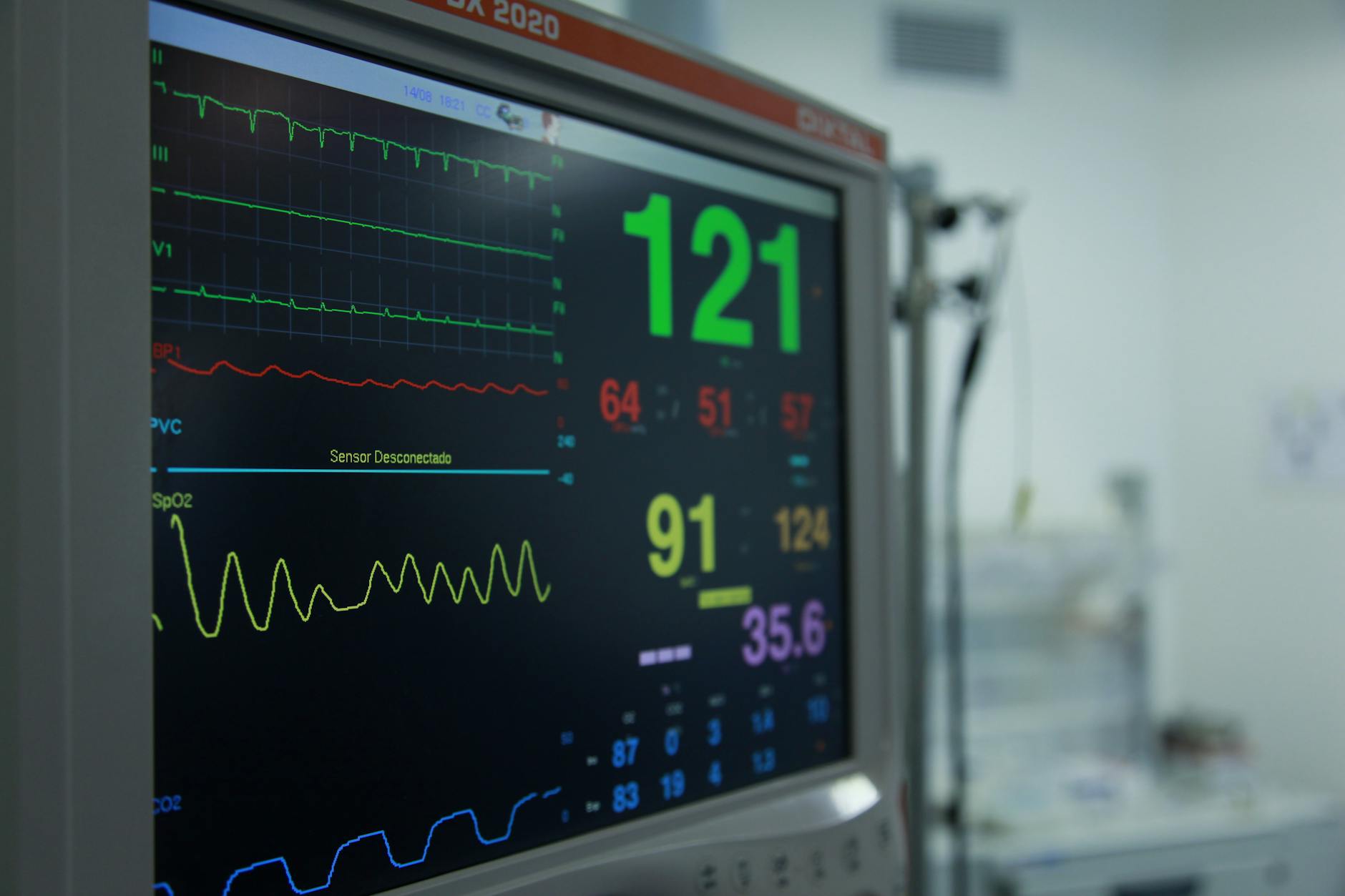
The nodes, equipped with biomedical and motion sensors, are designed to gather critical data such as ECG signals and other physiological parameters. These are then routed through sophisticated algorithms to ensure accurate and timely transmission to centralised gateways. The result is a robust, real-time health monitoring system that operates efficiently without excessive energy consumption.
Implications for Health Surveillance
As the world grapples with the persistent threat of pandemics, climate change, and zoonotic diseases, the need for a responsive and integrated health monitoring system has never been more critical. The deployment of integrated sensing networks stands to bridge the gap between disparate health data sources, offering a unified approach to health surveillance.
By providing a holistic view of health data across multiple domains, these networks empower health professionals to make informed decisions swiftly. Moreover, they enable early detection of potential outbreaks and environmental health threats, facilitating timely interventions to mitigate their impact.
In essence, integrated sensing networks not only promise to enhance the efficacy of health monitoring but also represent a significant step forward in the pursuit of a truly integrated One Health approach. As these networks continue to evolve, they could well become an indispensable tool in safeguarding health on a global scale.