Rice Cultivation: A Global Staple Threatening Earth's Balance
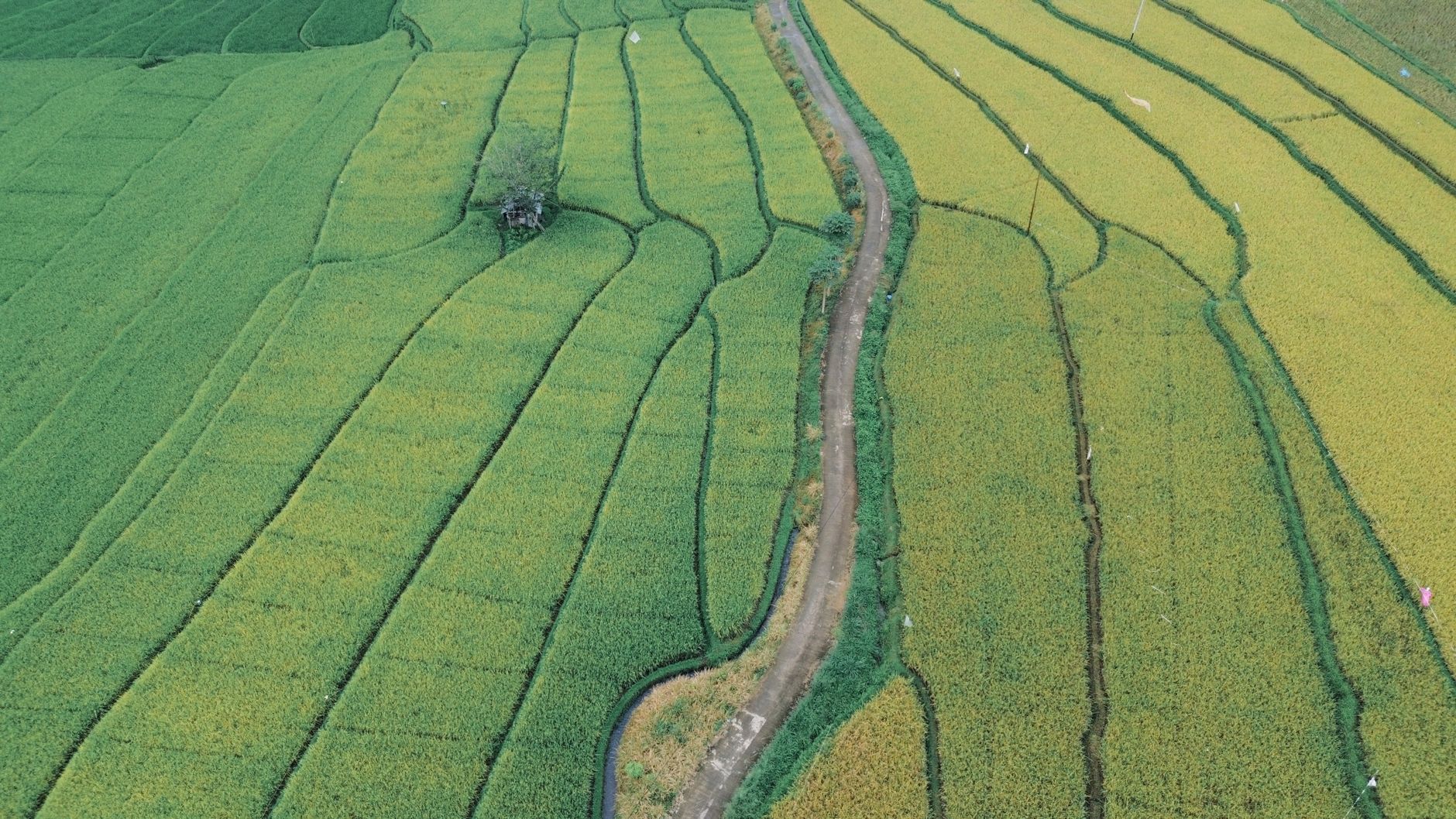
In a world where rice is synonymous with sustenance, the grain that nourishes billions is now at the centre of an environmental conundrum. Scientists are raising alarms about the impact of rice cultivation on the planet's ecological health, with recent findings suggesting that our commitment to this staple may be nudging Earth beyond its safe environmental boundaries.
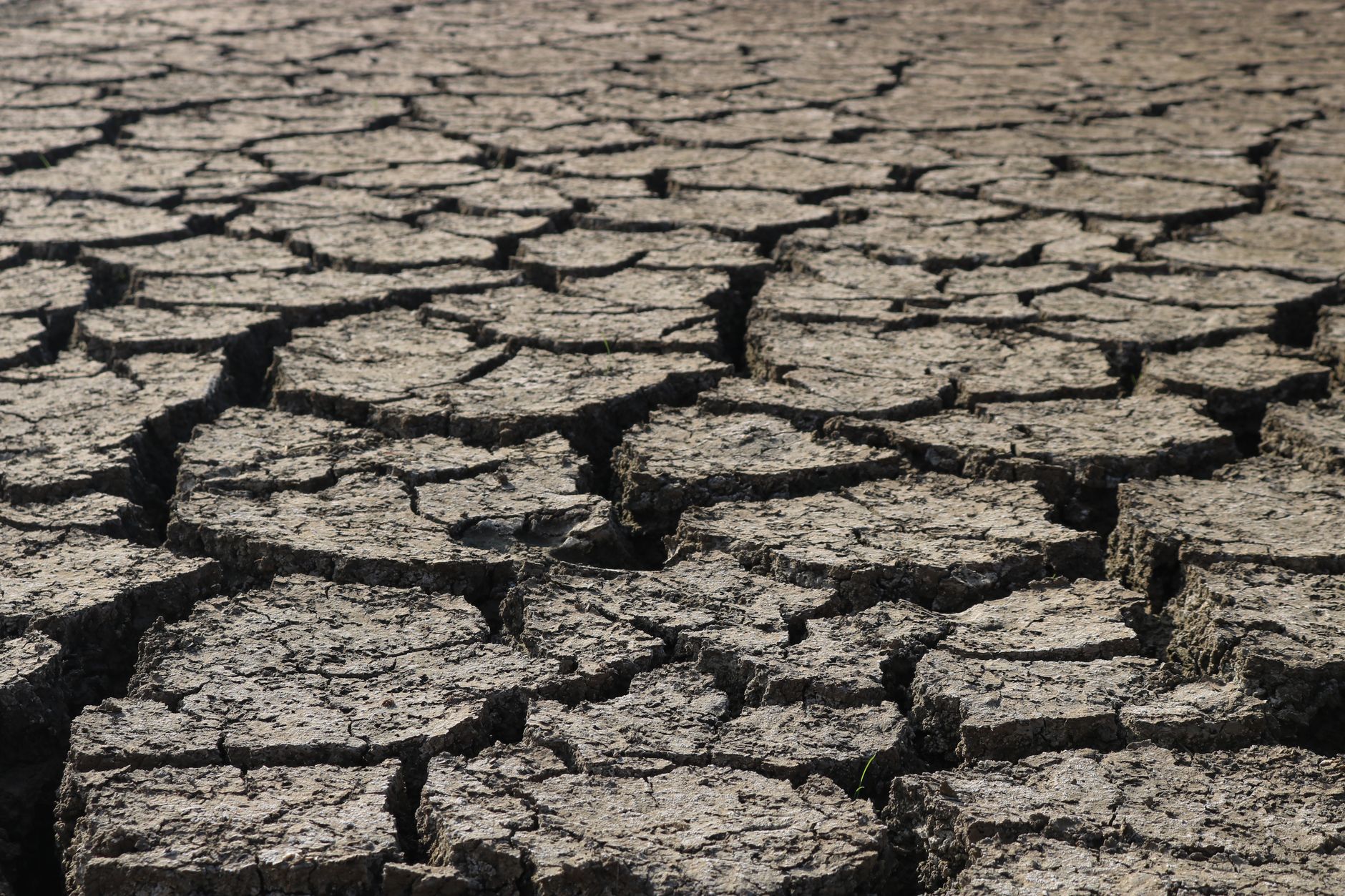
Rice is not just food; it is the lifeblood of cultures across Asia, Africa, and other regions. Yet, the vast resources required for its cultivation — land, water, energy, and fertilisers — are taking a toll on the environment. The concept of planetary boundaries, developed by scientists, outlines the thresholds within which humanity can safely operate. Crossing these could lead to irreversible damage, and rice farming, it seems, is inching us closer to that precipice.
Dr. Eliza Marshall, an environmental scientist, emphasises the urgency: "Rice is crucial, but its cultivation is alarmingly resource-intensive. We need innovative approaches to sustain production without compromising our planet's health." The challenge is stark: how to feed a growing global population without exacerbating climate change and biodiversity loss.
The Environmental Cost
Traditional rice farming involves flooded fields, which emit significant amounts of methane, a potent greenhouse gas. Additionally, the overuse of fertilisers can lead to water pollution, affecting aquatic ecosystems and human health. As populations grow, the demand for rice increases, compounding these environmental issues.
Scientists are advocating for sustainable agricultural practices, such as alternate wetting and drying (AWD) methods, which could reduce methane emissions. However, the transition to such methods requires investment and education, particularly in regions where traditional practices have been entrenched for centuries.
A Global Responsibility
The implications of rice farming's environmental impact extend beyond local communities. With global food security at stake, international cooperation and policy change are imperative. Governments, researchers, and farmers must collaborate to develop eco-friendly practices that safeguard both the planet and food supplies.
As Dr. Marshall notes, "We must find a balance that respects environmental limits while ensuring that rice remains a cornerstone of global diets." The path forward may be fraught with challenges, but it is vital for a sustainable future.