Rice Cultivation: A Perilous Path Beyond Earth's Limits
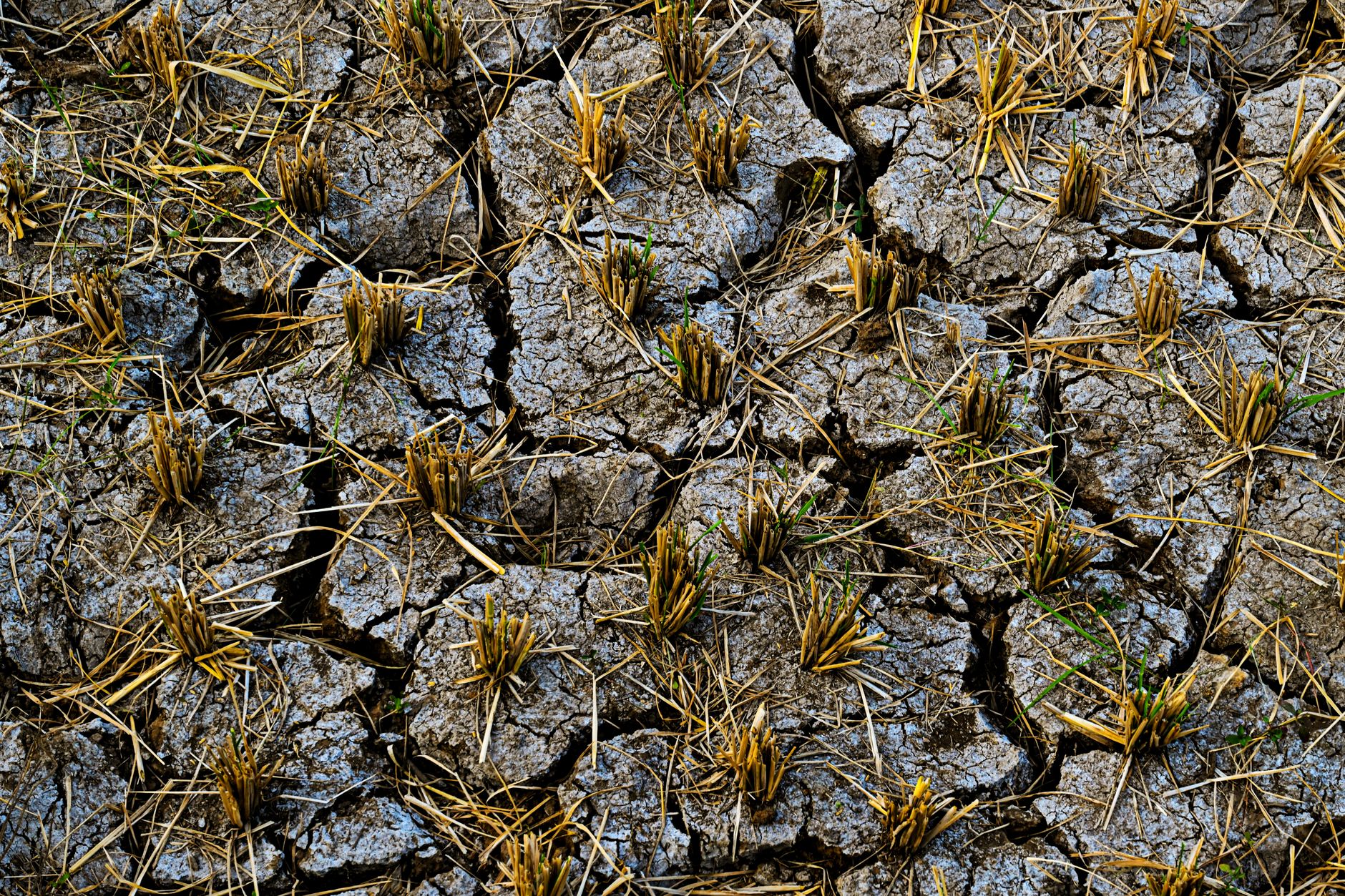
In the lush fields of Asia, where the sun gleams on the waterlogged paddies, rice is more than food; it is a way of life. Yet, scientists are raising alarms that this staple crop, which feeds more than half of the world's population, is edging Earth towards an ecological precipice.
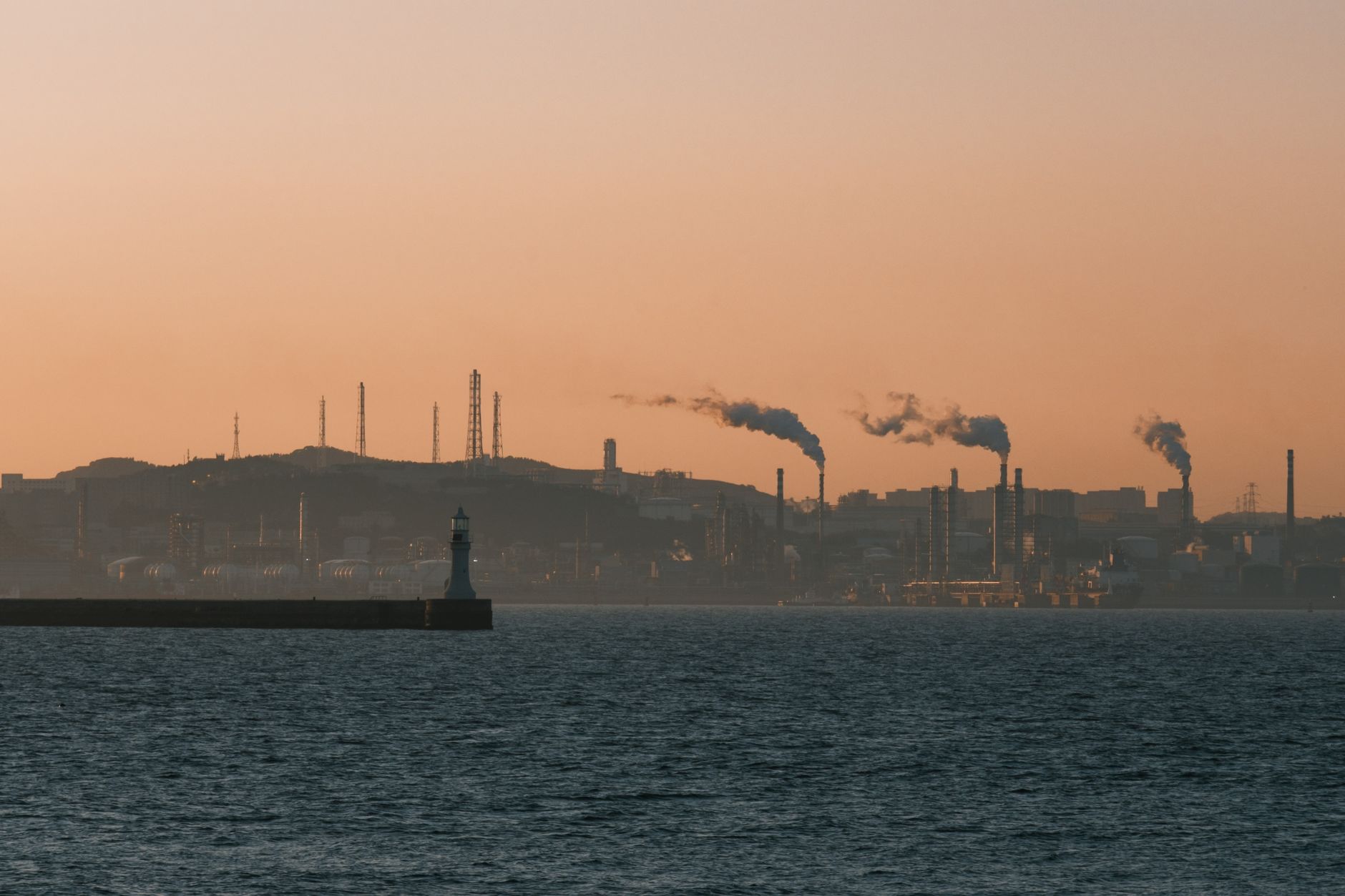
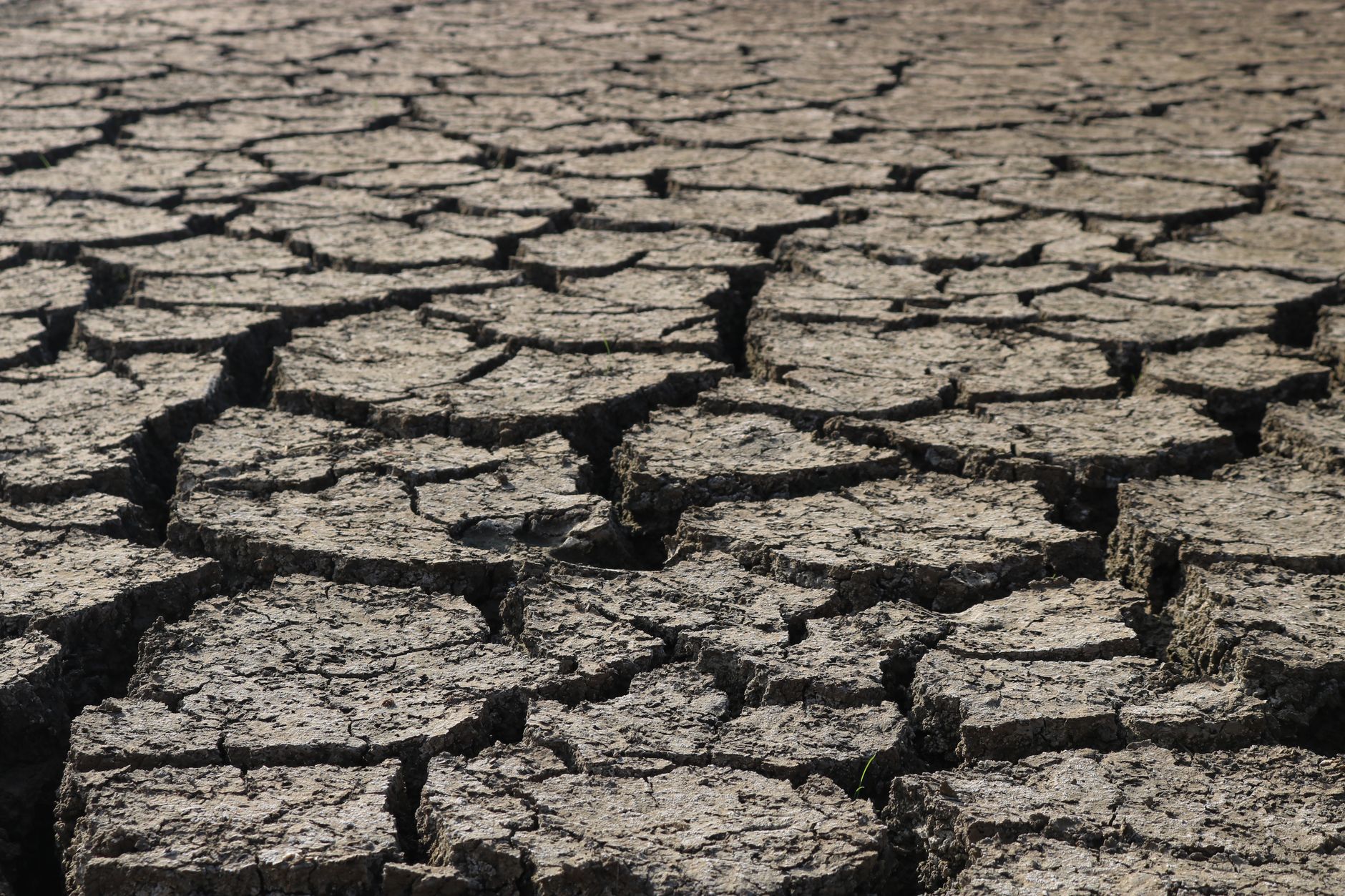
A recent study examining the concept of planetary boundaries—a framework that delineates the safe operating space for humanity—has found that the environmental demands of rice cultivation may be pushing these boundaries to their limits. The crux of the issue lies in the resource-intensive nature of rice farming, which requires significant amounts of water, land, and fertilisers, leading to potential ecological imbalance.
As Dr Helen Smith, an environmental scientist, noted, "Rice farming is a double-edged sword—it nourishes millions but also strains the planet's resources. We must innovate to sustain both our food supply and the Earth's health."
Globally, rice is grown in more than 100 countries, with Asia shouldering the lion's share of production. However, the environmental footprint of this cultivation method is substantial. Paddy fields are notorious for emitting methane, a potent greenhouse gas, while the excessive use of fertilisers can lead to water pollution and soil degradation.
The implications of crossing planetary boundaries are severe. When these limits are breached, the risk of triggering irreversible environmental changes increases, which could destabilise ecosystems and future food security.
Efforts are underway to address these challenges. Scientists are exploring sustainable practices, such as alternate wetting and drying techniques, which can reduce water usage and methane emissions. Meanwhile, genetic research is aiming to develop rice varieties that require fewer inputs and are more resilient to climate change.
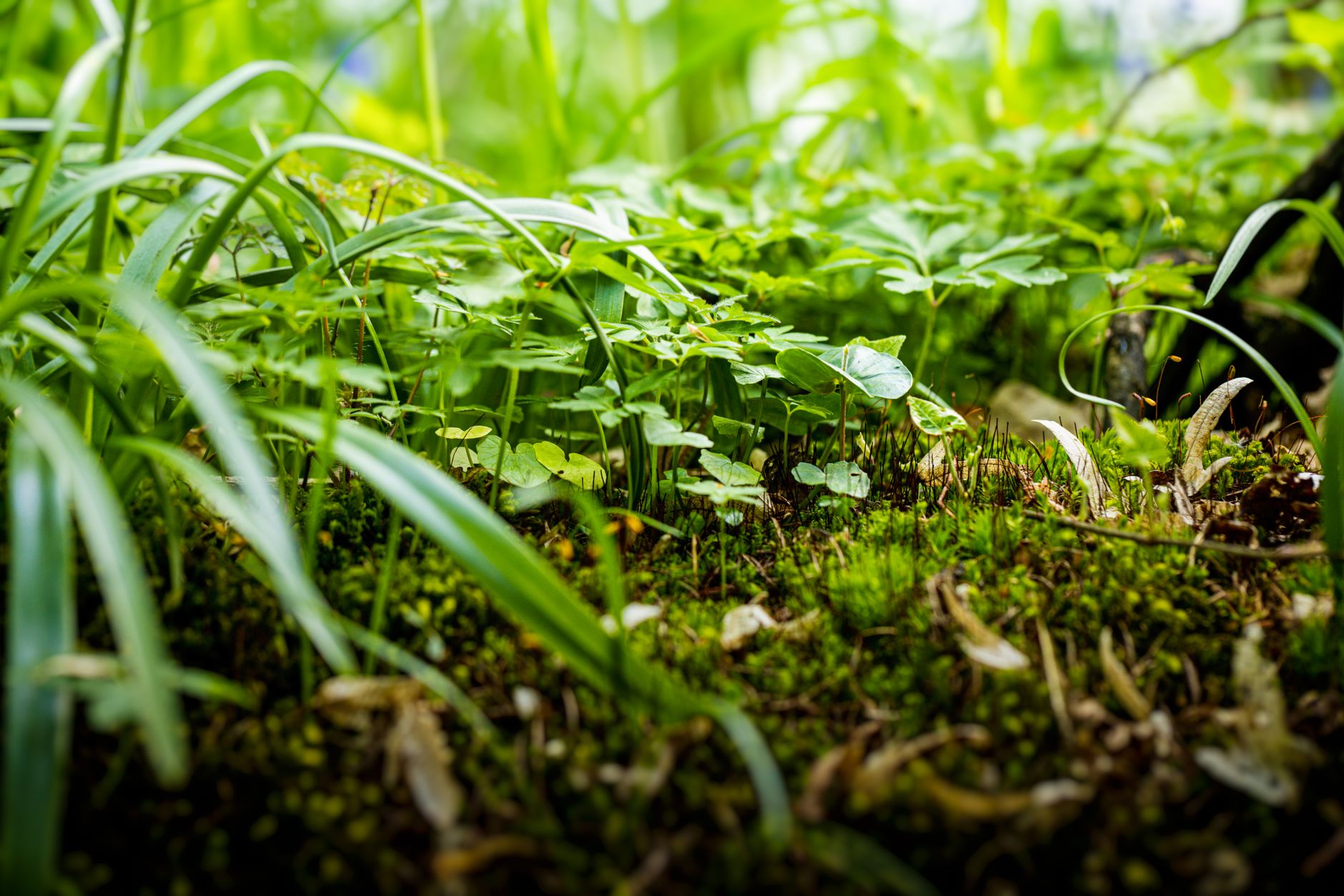
The stakes are high. As climate change accelerates, reimagining rice cultivation becomes imperative not just for feeding billions but also for safeguarding the planet. The solutions may demand a blend of tradition and innovation, drawing on centuries-old knowledge while embracing cutting-edge science.