Rice Cultivation Under Scrutiny as Environmental Concerns Mount
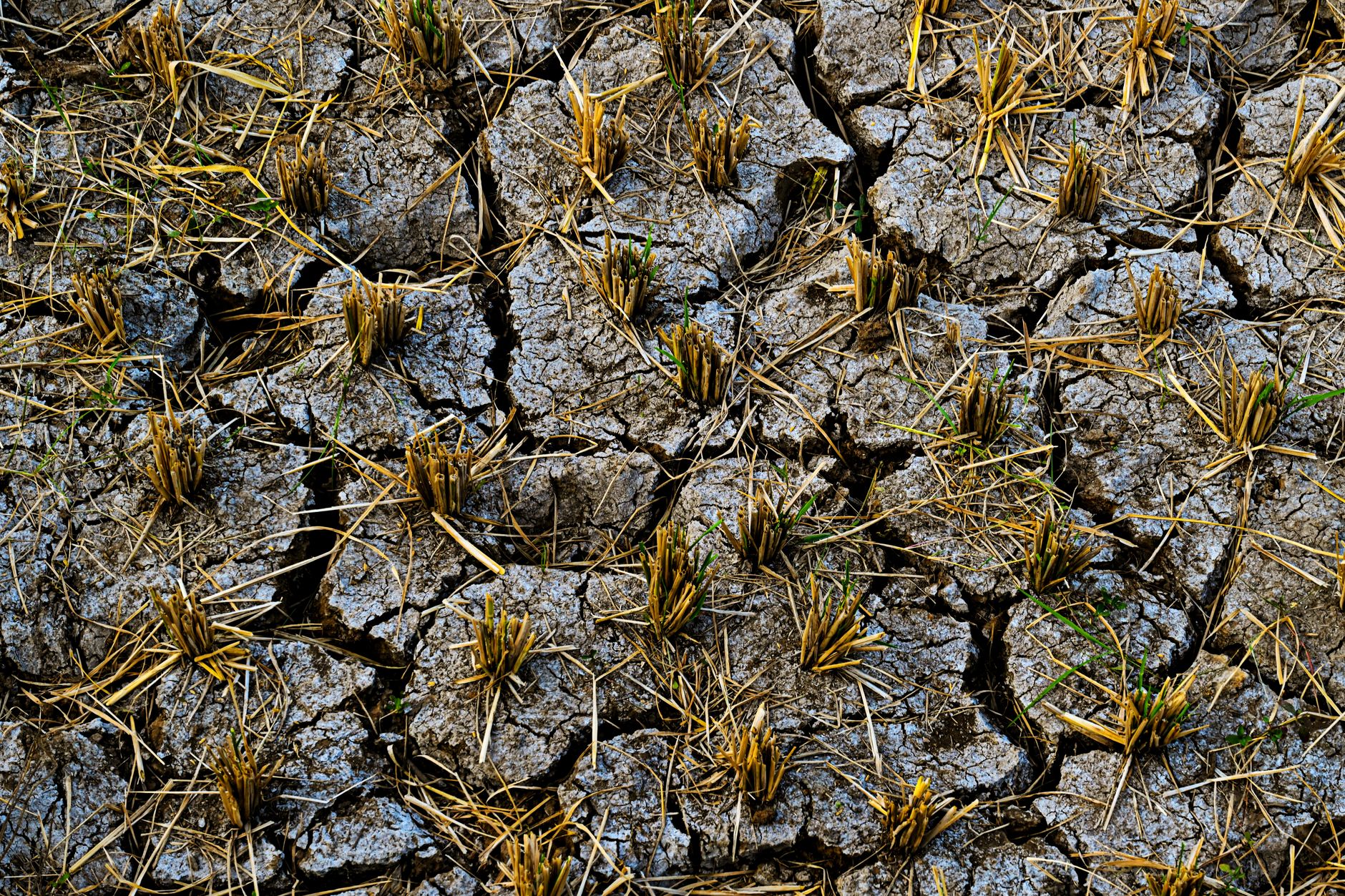
In the dense paddies of Asia and the expansive fields of Africa, rice is more than a crop; it is a lifeline. However, scientists are sounding alarms about the environmental toll of its cultivation. A new study suggests that rice farming might be pushing Earth beyond its safe operating space, threatening the delicate balance of our planet's ecosystems.
Rice supports the dietary needs of over half the global population, yet its cultivation is resource-intensive. It demands vast tracts of land, copious amounts of water, and significant energy inputs, often supplemented by chemical fertilisers. These requirements have now put rice on the radar of environmental scientists who use the concept of planetary boundaries—a framework to define a safe operating space for humanity on Earth.
The Planetary Boundaries Framework
This framework identifies nine critical processes that regulate Earth's stability. Scientists warn that crossing these boundaries risks destabilising the global environment. According to the recent study, rice cultivation contributes notably to the breach of these limits, particularly in terms of water usage and chemical pollution.
Environmental and Agricultural Implications
The implications are profound, not just for the environment but also for the communities who depend on rice farming for their livelihoods. The challenge lies in maintaining food security while ensuring environmental sustainability—a balancing act that requires innovative agricultural practices and policies.
Scientists advocate for integrated approaches that include water-saving technologies, reduced chemical dependency, and diversified cropping systems. The overarching goal is to develop sustainable models that can feed billions without compromising the planet’s health.
As the world grapples with climate change and environmental degradation, these warnings serve as a critical reminder of the interconnectedness of our food systems and the natural world. The future of rice, and indeed global food security, hinges on our ability to adapt and innovate in response to these pressing ecological concerns.