Rice Cultivation Warning: A Threat to Earth's Stability
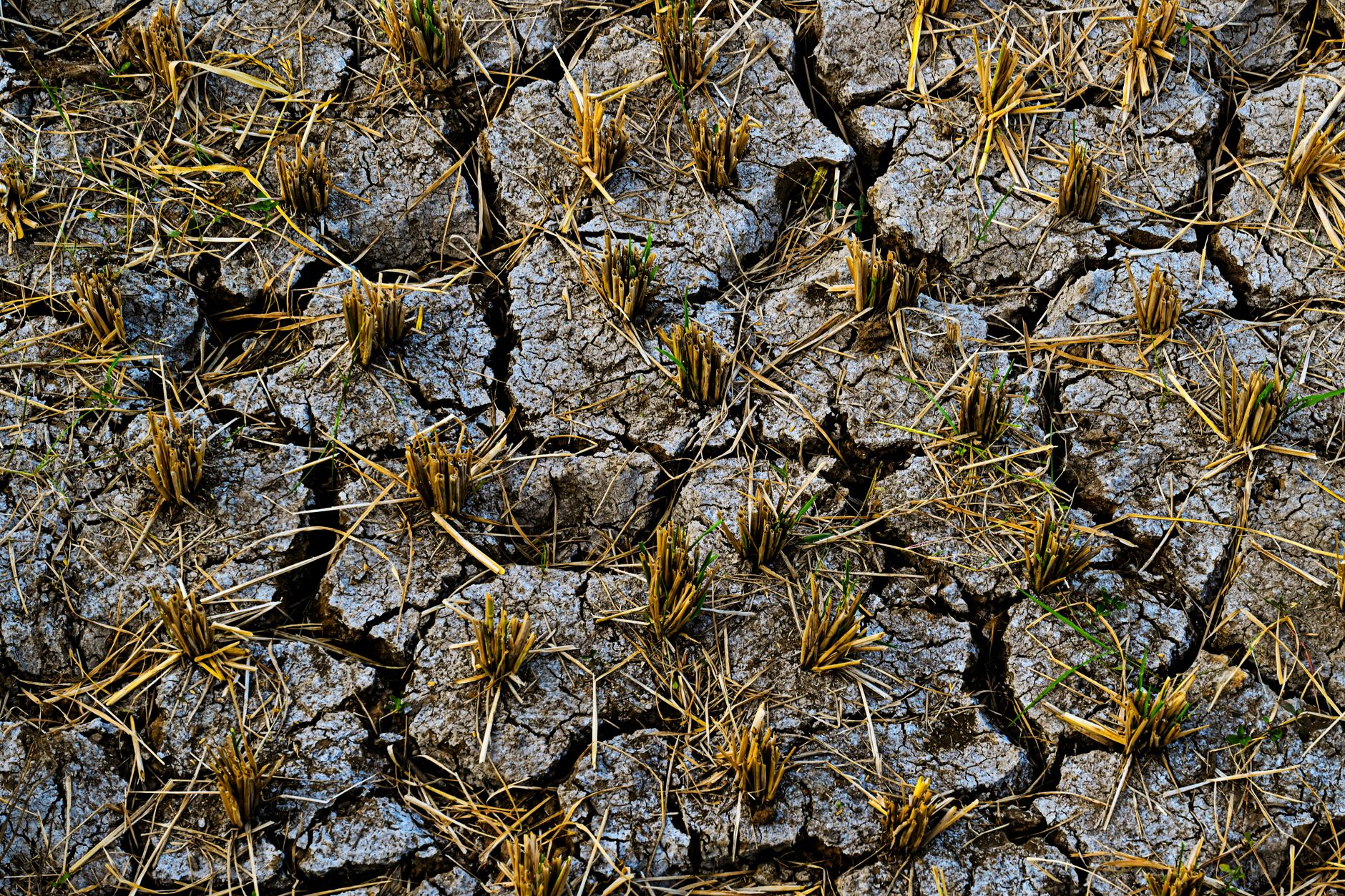
For billions around the globe, rice is more than just a staple; it's a lifeline woven into the fabric of daily existence. Yet, this humble grain, feeding over half the world's population, is now under the environmental microscope. Scientists are sounding the alarm, warning that rice farming is nudging the planet beyond its safe environmental boundaries.
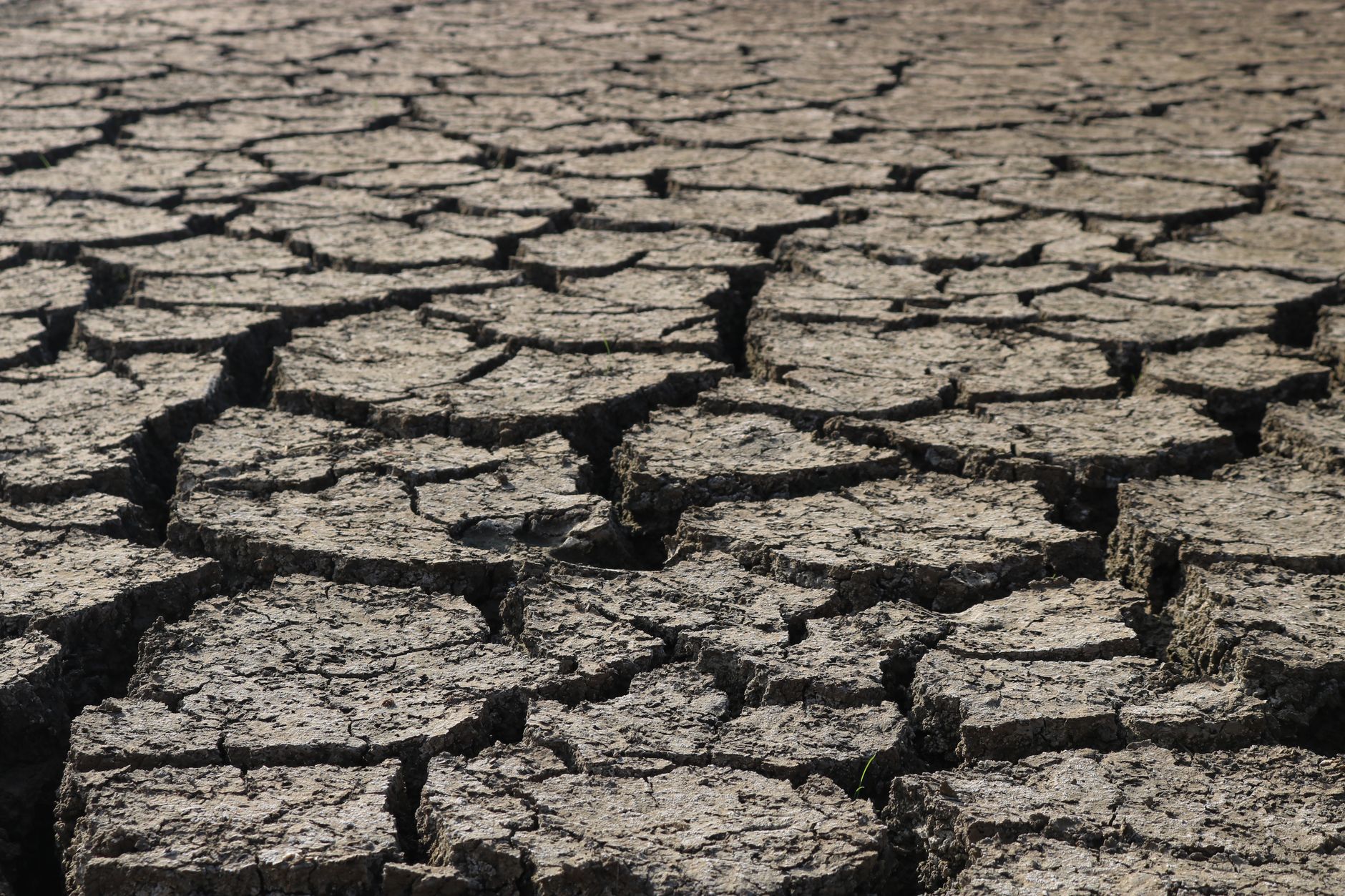
The concept of planetary boundaries, developed by leading environmental scientists, refers to the limits within which humanity can safely operate. Once crossed, these thresholds could lead to irreversible environmental damage. The cultivation of rice, with its heavy reliance on land, water, and chemical inputs, is contributing to this precarious situation.
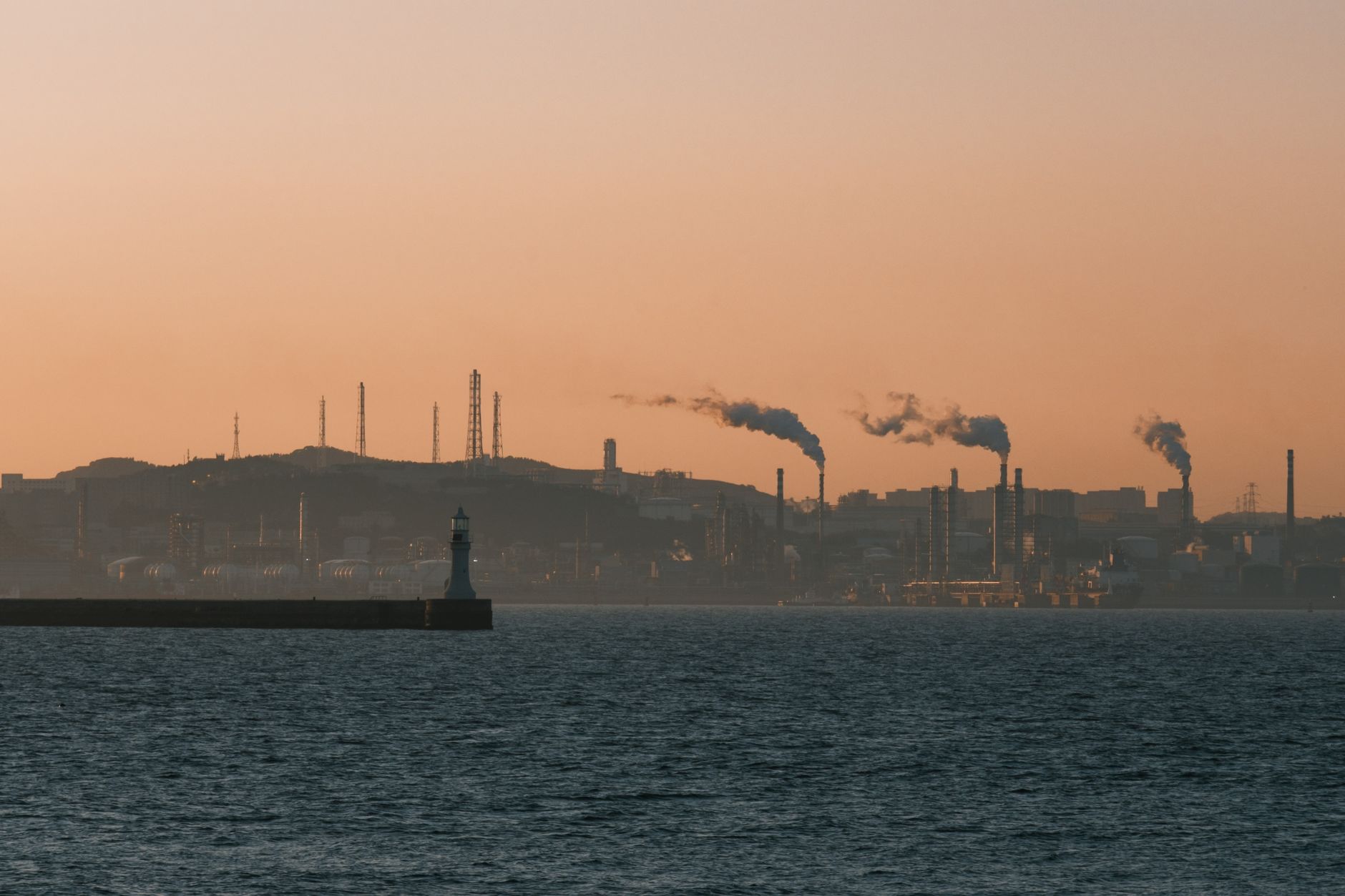
Rice paddies are known for their significant methane emissions, a potent greenhouse gas. The waterlogged fields create ideal conditions for methane-producing microbes, exacerbating climate change. Additionally, the use of fertilisers and pesticides, while boosting yields, has unintended consequences on ecosystems and human health.
Striking a Balance
As the world grapples with the dual challenge of feeding an ever-growing population and combating climate change, the need for sustainable agricultural practices has never been more pressing. Researchers suggest adopting practices such as alternate wetting and drying of fields, which can reduce water usage and methane emissions. Moreover, breeding rice varieties that are less resource-intensive could be a part of the solution.
Some countries are already experimenting with innovative approaches. In India, for instance, farmers are being encouraged to use direct seeding methods, which save water and reduce labour costs. Meanwhile, in China, scientists are working on developing rice strains that can thrive with less fertiliser.
The Road Ahead
The stakes are high. With climate change threatening to increase the arsenic levels in rice, the necessity for urgent action cannot be overstated. While the challenges are daunting, they also present an opportunity to rethink agricultural practices and prioritise sustainability.
Ultimately, the future of rice farming could hinge on a delicate balance between tradition and innovation. As scientists and policymakers strive to safeguard both the planet and food security, the world watches closely, hoping for solutions that honour this age-old crop while securing the Earth's future.