Rising Numbers: Women's Enrolment Soars in Indian Higher Education

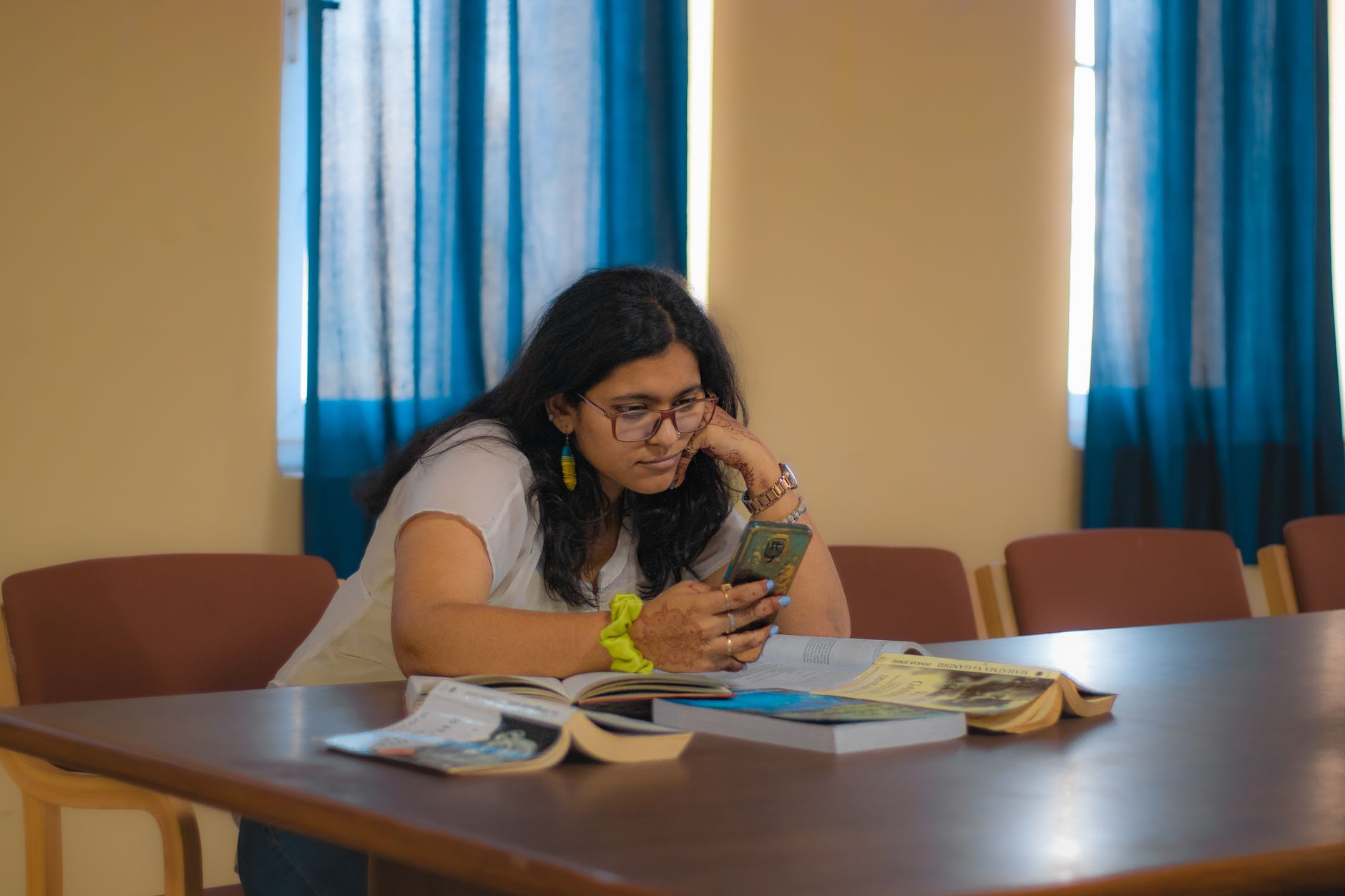
Amidst the myriad statistics that typically accompany educational reports, one figure from the latest All India Survey on Higher Education (AISHE) stands out: a 42% increase in female enrolment over the past decade. This is not merely an academic achievement; it is a profound societal shift.
Released by the Ministry of Education, the AISHE 2023-24 data reveals that female enrolment in higher education institutions has risen from 1.57 crore in 2014-15 to an impressive 2.24 crore. This surge has contributed to an overall higher education enrolment figure reaching 4.5 crore, with women and marginalised groups driving this growth.
Such figures are not just numbers on a sheet. They represent a shift towards gender parity in a nation where educational access for women has historically been fraught with obstacles. The Gender Parity Index now stands at a commendable 1.08, suggesting that the scales are tipping in favour of equality.
The Role of Policy and Society
The increase in enrolment can be partially attributed to governmental policies that have prioritised educational access for women and marginalised groups. Initiatives aimed at reducing dropout rates and encouraging female participation appear to be bearing fruit.
Furthermore, the societal perception of women's education has evolved. The growing number of women pursuing higher education is indicative of changing attitudes towards gender roles and the value placed on women's contributions to the economy and society.
Challenges and the Path Ahead
While the statistics are promising, they also highlight ongoing challenges. Ensuring quality education and employment opportunities post-graduation remains a critical concern. Additionally, the infrastructure to support this growing number of students, especially women, needs to be robust and inclusive.
The AISHE data serves as both a benchmark and a call to action for policymakers and educators alike. As enrolment numbers rise, the focus must also shift towards enhancing the quality of education and ensuring equal opportunities for all graduates.
In essence, the report is a testament to progress but also a reminder of the work that remains to be done. It is a narrative of change, one that heralds a brighter, more equitable future for India's women.