Robots in Surgery: The Future of Cancer Treatment
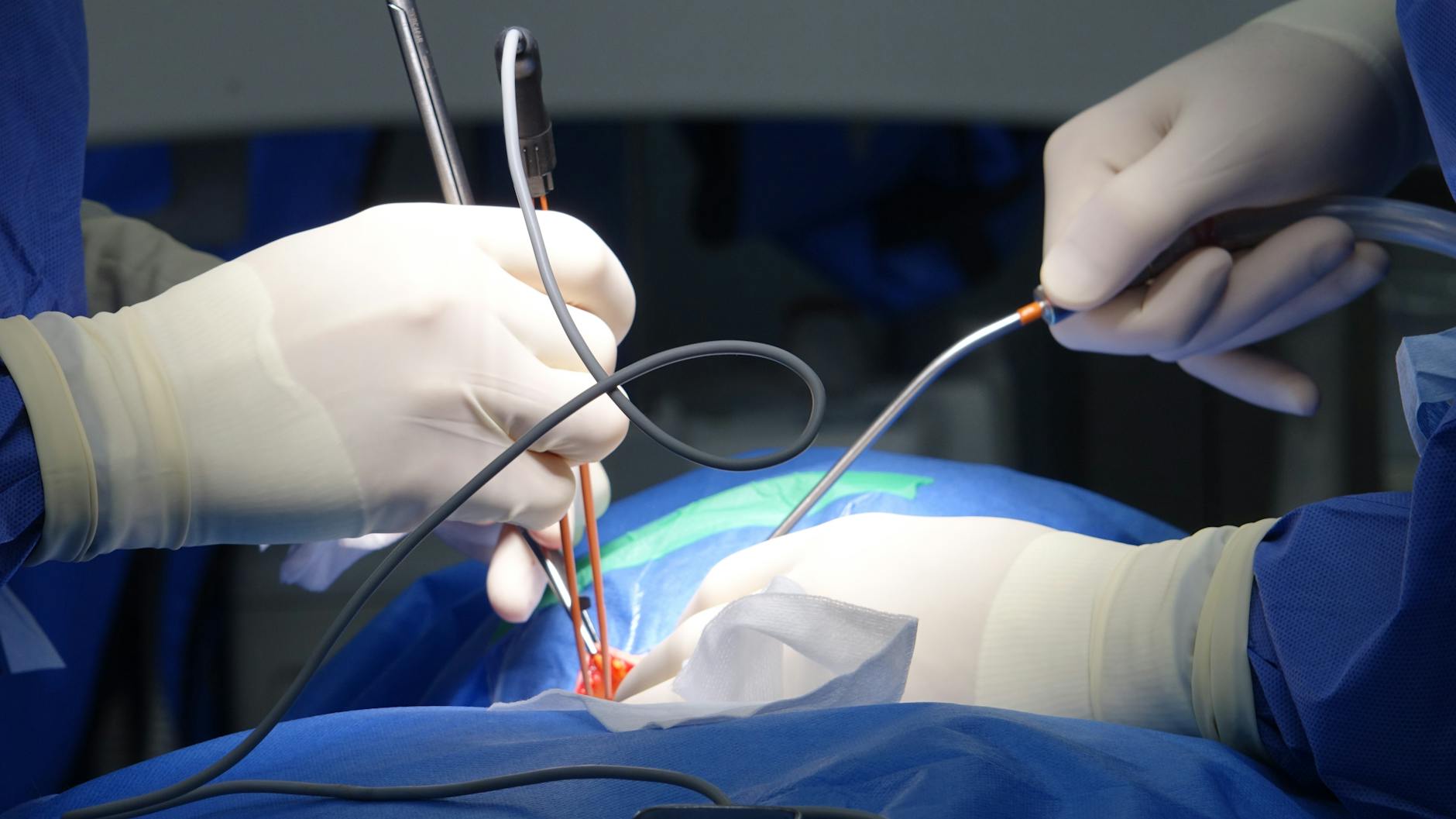
In the sterile setting of an operating theatre, robots are quietly revolutionising the world of cancer surgery. These mechanical assistants, far from the science fiction fantasies of yore, are now central to cutting-edge medical procedures. With their steady arms and precise movements, they enable surgeons to perform intricate operations that were once unimaginable.
The da Vinci Surgical System, a name almost synonymous with robotic surgery, exemplifies this technological leap. It allows surgeons to operate with enhanced dexterity and control, translating their hand movements into smaller, more precise actions using robotic arms. The result? Minimally invasive surgeries that promise quicker recovery times for patients and minimal scarring.
Mervyn Bryans, who underwent a robotic prostatectomy, is a testament to the benefits of this innovation. His recovery was swift, with less pain and a shorter hospital stay than traditional procedures might have required. Such success stories are becoming increasingly common as more surgeons adopt these advanced techniques.
Embracing the Future
Surgeons, like those at City of Hope Orange County, are at the forefront of this transformation. Leading clinical trials in robotic mastectomies, they are pushing the boundaries of what is possible in surgical oncology. This pioneering spirit is not just limited to the United States; across the globe, medical institutions are recognising the potential of robotic technology.
Yet, the path forward is not without challenges. The cost of such sophisticated technology is a significant hurdle, raising questions about accessibility and equity in healthcare. Moreover, there is a learning curve for surgeons transitioning from traditional methods to robotic systems.
The Human Touch
Despite these challenges, the consensus in the medical community is clear: robots are here to stay. The precision and control they offer are unparalleled, and their ability to perform complex procedures through tiny incisions is a game-changer for patient care. However, the human touch remains irreplaceable. Surgeons' expertise and decision-making skills are crucial in guiding these robotic tools to ensure successful outcomes.
As the technology continues to evolve, the role of robots in surgery will undoubtedly expand. The potential for innovation is vast, from improved imaging techniques to even more refined robotic arms. For now, robotic technology stands as a beacon of progress, promising a future where cancer surgeries are less daunting and recovery is swift.