Sabalenka's Stand: Tennis Stars Demand Grand Slam Reforms
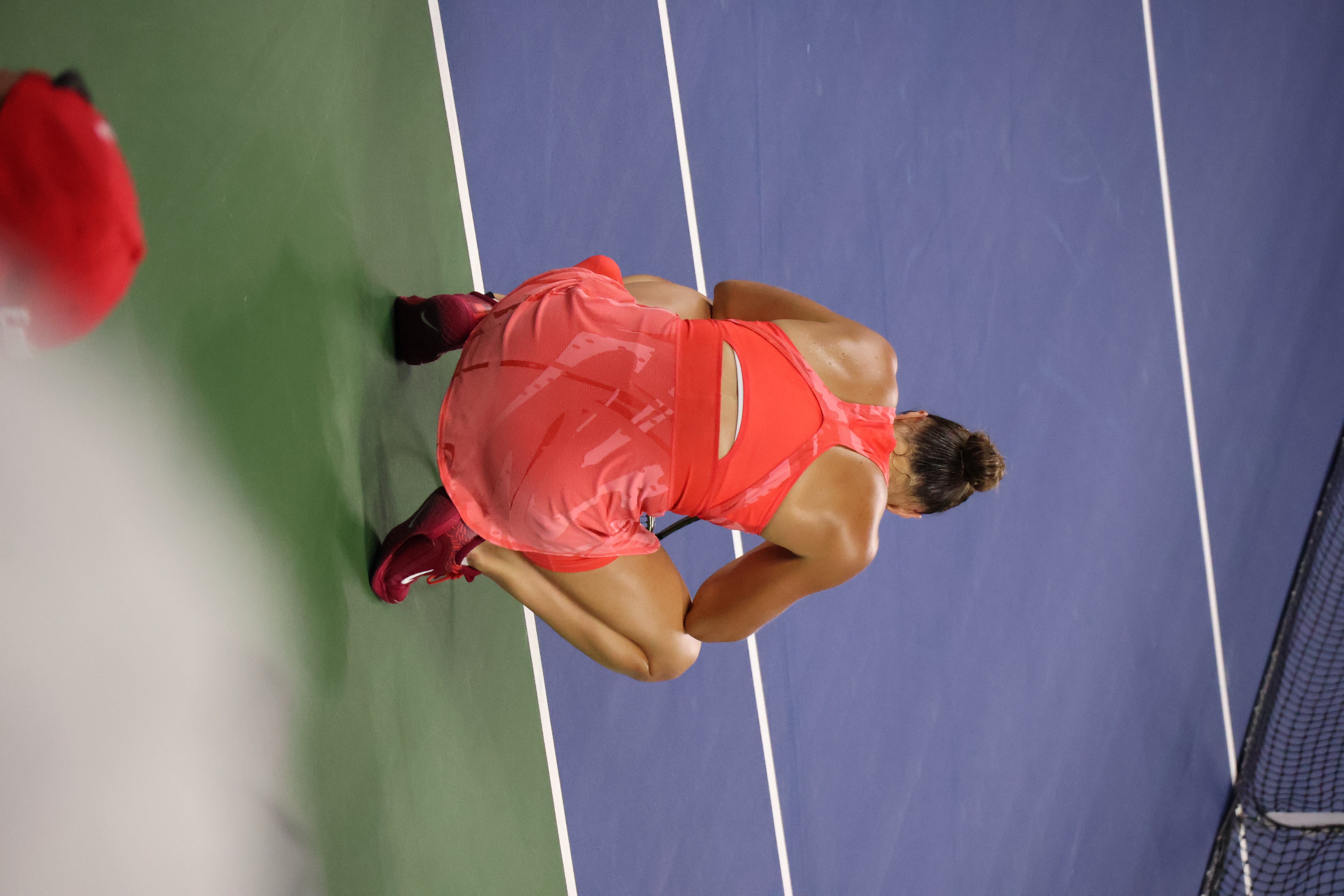
Aryna Sabalenka, the formidable Belarusian athlete reigning as the world No. 1 in women’s tennis, has made headlines once more. This time, it's not just her prowess on the court but her vocal leadership off it that's drawing attention. Sabalenka, along with a cohort of the sport’s top players, is spearheading a protest demanding a reevaluation of financial distributions at Grand Slam tournaments. Their aim? To address the financial disparities faced by lower-ranked players.
Sabalenka's call is both bold and timely. As she articulates it, "As world No. 1, I have to stand up and fight." This assertion underlines a growing sentiment among elite players that the wealth generated by these prestigious events should be more equitably shared. Grand Slams, which are the crown jewels of the tennis calendar, reportedly generate immense revenue. Yet, the bulk of these funds seldom trickle down to those outside the top echelons of the rankings.
Backing from the Best
The protest, which involves limiting media interactions to a mere 15 minutes, has garnered support from heavyweights like Coco Gauff and Jannik Sinner. Their participation underscores a unified front among players who, despite their success, recognise the broader challenges within the sport. While some, like Novak Djokovic, have opted out of this particular form of protest, the movement's momentum remains undeterred.
At the heart of the issue is the call for a fairer share of the economic pie. The players argue that while the top tier enjoys lucrative rewards, those further down the rankings often struggle with financial stability. This imbalance is seen as detrimental not only to individual careers but to the sport’s overall health and diversity.
Grand Slams in the Spotlight
Traditionally, Grand Slam organisers have been reticent to overhaul prize distributions significantly. The stakes are high, and with the spotlight now firmly on them, it remains a contentious issue. The players’ protest might just be a watershed moment, prompting organisers to reconsider their stance.
The ongoing debate around prize money and financial compensation in tennis is more than just a numbers game. It raises fundamental questions about fairness, the future of the sport, and its accessibility to aspiring players from diverse economic backgrounds. As Sabalenka and her peers continue to champion this cause, it's clear that the dialogue around reform is far from over.
In the competitive world of professional tennis, standing up for what one believes in requires courage and conviction. Sabalenka’s leadership, therefore, is not only about personal legacy but about paving the way for a more equitable future in the sport she loves.