World Health Assembly Backs Precision Medicine Resolution
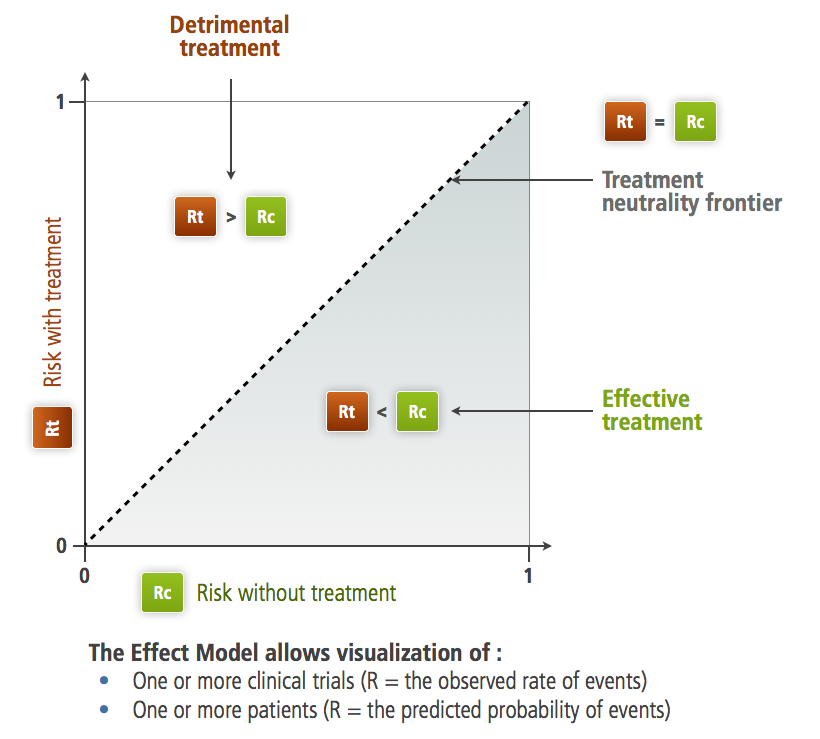
The corridors of global health governance witnessed a pivotal moment yesterday as the World Health Assembly endorsed a resolution on precision medicine. This move signals a transformative shift towards healthcare that is not only targeted but also equitable, aiming to tailor medical treatments to the individual characteristics of each patient.
Precision medicine, often hailed as the future of healthcare, utilises clinical, molecular, and genomic data to inform more accurate prevention, diagnosis, and treatment strategies. By focusing on the specific genetic makeup of individuals, it promises to enhance treatment efficacy and reduce the prevalence of adverse drug reactions.
Aiming for Equity
This resolution is not merely about technological advancement but also about bridging the health equity gap. It seeks to ensure that personalised healthcare does not remain a privilege of the wealthy but becomes a standard accessible to all, irrespective of socio-economic status. The Assembly's endorsement highlights a commitment to integrating precision medicine into the broader framework of sustainable health systems.
Dr. Anjali Kumar, a leading voice in global health policy, remarked, "This is a significant step forward in our quest to provide equitable healthcare. Precision medicine allows us to address the unique needs of patients, which is crucial in our diverse world."
Challenges and Opportunities
However, the path to widespread adoption of precision medicine is fraught with challenges. The integration of sophisticated genomic technologies into existing healthcare systems requires substantial investment and infrastructure. Moreover, ethical considerations surrounding data privacy and consent are paramount, as patient data becomes increasingly central to treatment plans.
Despite these hurdles, the potential benefits are profound. With precision medicine, healthcare providers can move away from the traditional 'one-size-fits-all' approach, offering instead treatments that are more effective and tailored to individual needs.
As nations now look towards implementing this resolution, the focus will be on developing frameworks that ensure precision medicine is both effective and equitable. The World Health Assembly's decision marks a hopeful step towards a future where personalised healthcare becomes a reality for all.