Sacred Groves: India’s Ancient Guardians of Biodiversity Get Government Boost
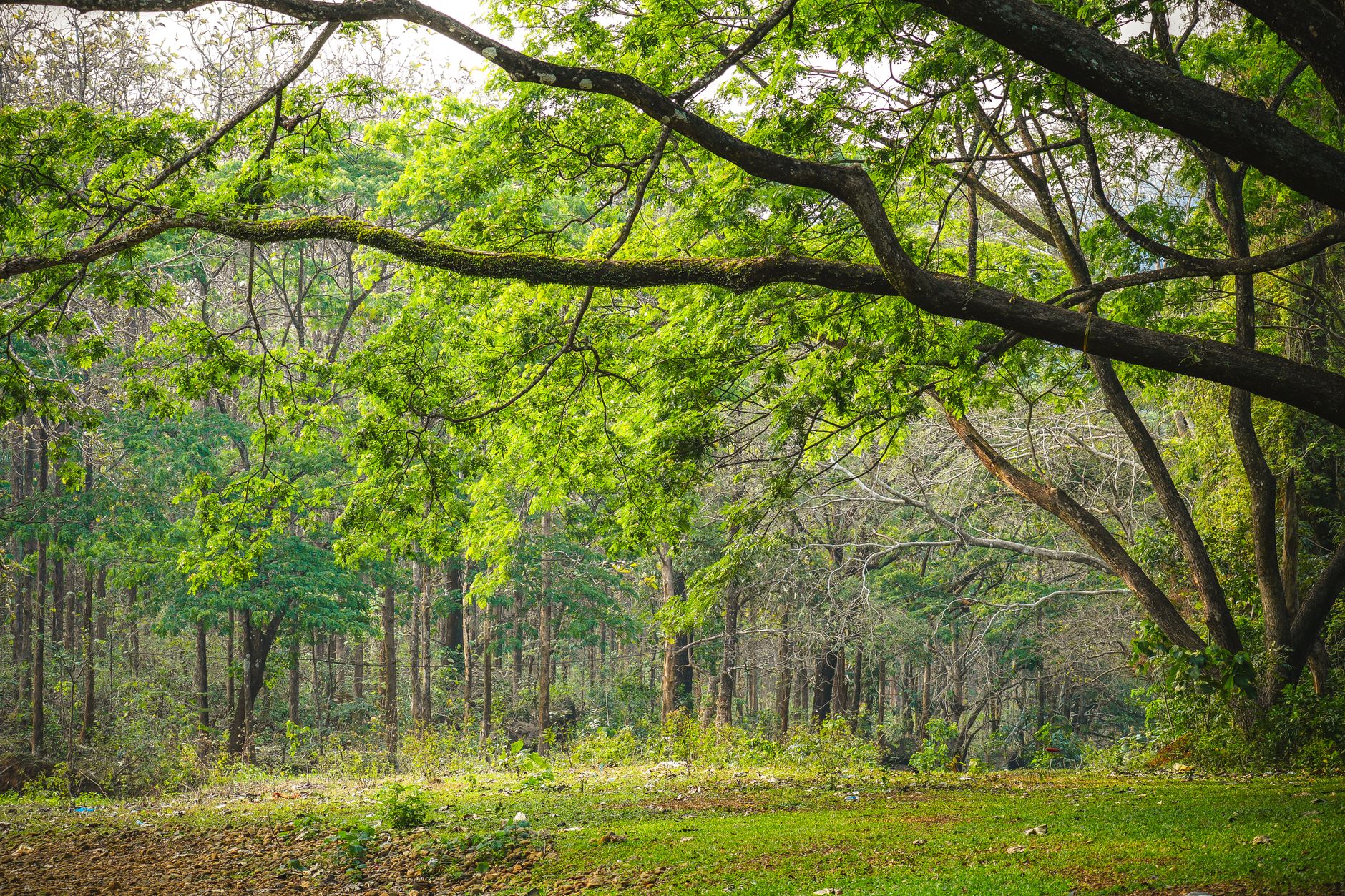
In the verdant heart of rural India, where ancient traditions intertwine with the natural world, sacred groves stand as silent sentinels of biodiversity. These patches of forest, often revered as Aastha Vans, are about to receive a governmental lifeline aimed at their conservation and restoration.
The Environment Ministry has approved a comprehensive scheme targeting the preservation of 15,000 such groves scattered across the nation. With an allocation of ₹88.40 crore, this initiative underscores the government's commitment to safeguarding these ecological treasures.
Sacred groves, historically protected by local communities, are more than just clusters of trees. They are living repositories of rare flora and fauna, embodying centuries of ecological knowledge passed down through generations. Many groves also serve as critical water sources, feeding nearby communities through natural ponds and streams.
Despite their significance, these groves face threats from urbanisation and unregulated development. The new conservation programme aims to reverse this trend by providing much-needed resources for their upkeep and restoration. The initiative is part of a broader effort, including the MISHTI programme, which focuses on mangrove restoration in six states and union territories.
Experts believe that protecting sacred groves can help mitigate the impacts of climate change by preserving biodiversity and ensuring sustainable water management. In an era where environmental crises loom large, such efforts are not just about maintaining green spaces but are integral to the survival of ecosystems and the communities that depend on them.
This move by the Environment Ministry also signals a recognition of the cultural heritage embodied in these groves. As India grapples with the challenges of modernisation, reviving traditional practices that respect and preserve nature could offer valuable lessons for sustainable development.
The success of this initiative will hinge on the cooperation between government bodies, local communities, and environmental organisations. Together, they can ensure these sacred groves continue to be sanctuaries for both nature and culture, standing resilient against the tide of change.