Scientists Achieve Milestone by Creating Synthetic Cell from Scratch
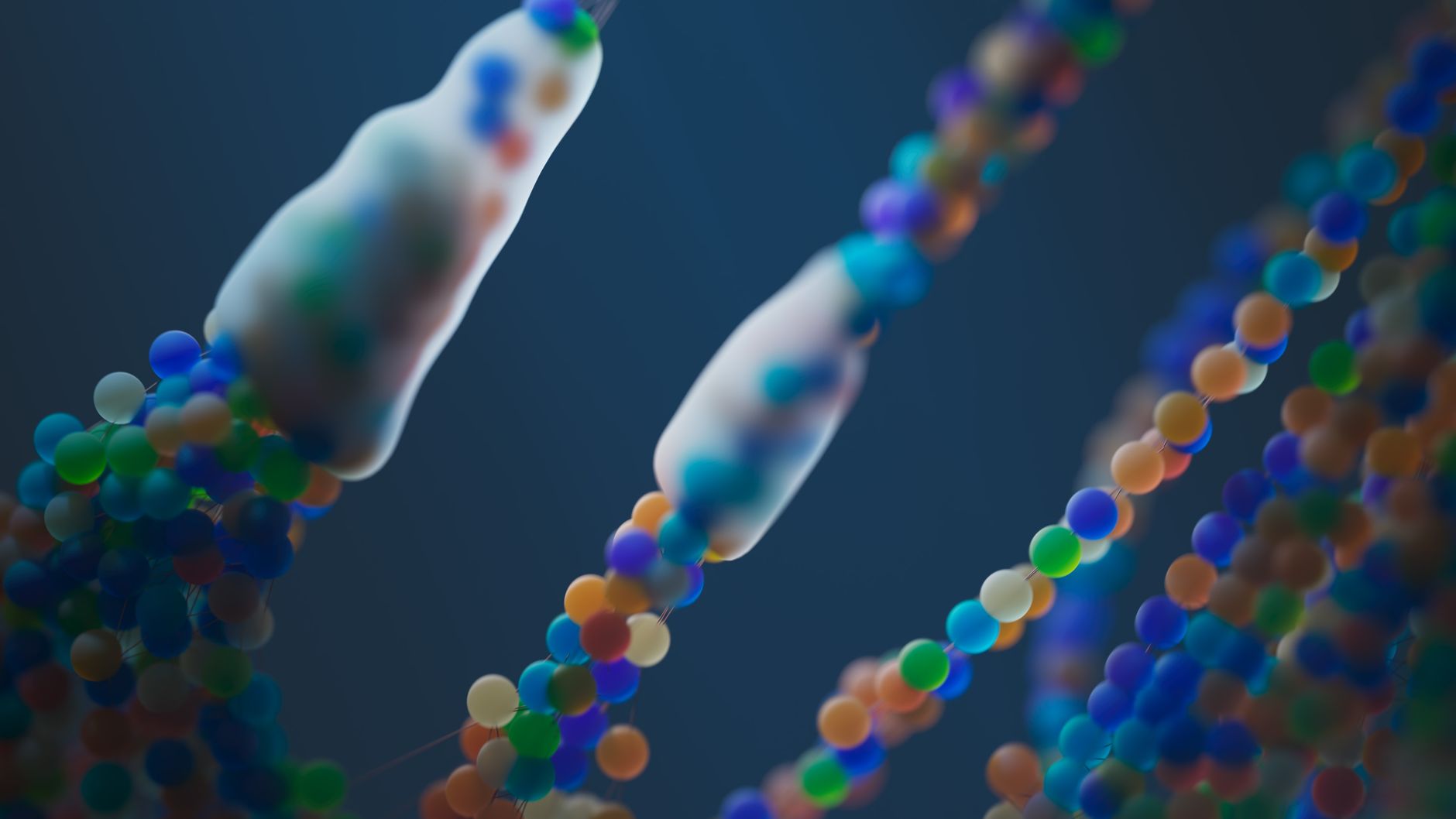
In a feat that blurs the line between science fiction and reality, scientists at the University of Minnesota have announced a remarkable scientific breakthrough: the creation of a synthetic cell from scratch. This artificial cell is not merely a static structure but a dynamic entity capable of feeding, growing, and reproducing, akin to natural living cells.
The cell, built entirely from non-living materials, exhibits life-like properties that were previously the domain of nature alone. This achievement is not just a triumph of engineering but a profound leap in our understanding of biological processes. The implications of this development are vast, potentially revolutionising fields such as medicine, where synthetic cells could be used to deliver drugs more efficiently, and in biotechnology, where they might aid in the production of complex biological compounds.
A New Era in Synthetic Biology
Synthetic biology, the discipline that aims to redesign organisms for useful purposes, has long held the promise of creating life from non-life. The creation of this cell marks a significant milestone in that journey. By replicating the basic processes of life in a controlled environment, researchers can now explore cellular functions with unprecedented precision.
Dr. Samantha Lee, one of the lead researchers, emphasised the potential of this technology. 'We are not just trying to mimic life; we are learning to engineer it,' she stated. The ability to construct cells capable of self-replication opens the door to countless possibilities, from understanding how life originated to creating bespoke organisms tailored for specific tasks.
Ethical and Practical Considerations
While the scientific community celebrates this achievement, it also raises ethical questions about the extent to which humans should interfere with natural processes. The potential for misuse, alongside the benefits, necessitates a careful consideration of guidelines and regulations governing such research.
Nevertheless, the creation of a synthetic cell from scratch is a testament to human ingenuity and the relentless pursuit of knowledge. As scientists continue to explore the boundaries of what is possible, society must engage in informed discussions about the ethical implications and practical applications of such groundbreaking research.