Scientists Achieve Milestone with First Synthetic Cell Creation
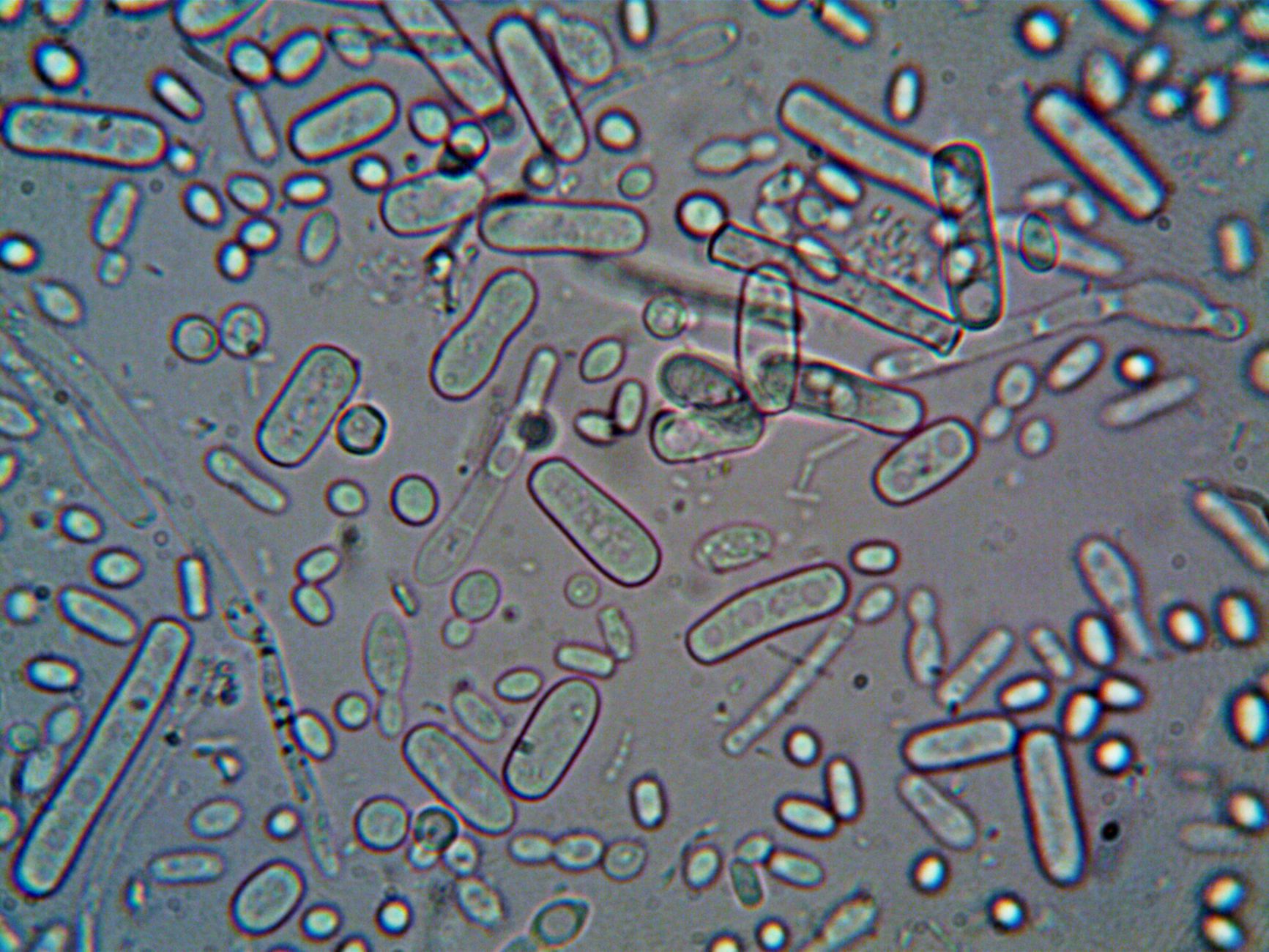
In an audacious leap forward, scientists at the University of Minnesota have constructed the world's first synthetic cell from the ground up. This remarkable achievement is not merely a technical triumph but a philosophical one, challenging our understanding of what it means to be alive.
The team, led by Professor Kate Adamala, has created a cell that mimics the fundamental processes of life. It feeds, grows, and replicates, much like its natural counterparts. However, it is built entirely from nonliving chemical components, crafted meticulously in the lab.
The creation of this synthetic cell is not just a marvel of engineering but a proof of concept that nonliving materials can be coaxed into life-like behaviour. The implications are vast, potentially revolutionising fields such as medicine, environmental science, and bioengineering.
Scientific and Ethical Implications
While the feat is being hailed as a milestone, it raises significant ethical questions. The ability to create life from nonliving substances could alter the very fabric of our understanding of life sciences. It presents opportunities to engineer cells with specific functions, which could, for instance, lead to breakthroughs in drug delivery systems or environmental cleanup agents.
However, the ethical debate is fierce. Critics argue that such advances could lead to unforeseen consequences, such as the creation of synthetic organisms that could upset ecological balances or pose biosecurity risks. The question of regulation and control looms large, with experts calling for stringent oversight.
A New Frontier in Biology
Despite these concerns, the potential benefits are hard to overlook. Synthetic biology, bolstered by this development, stands on the brink of a new era. Researchers envision a future where synthetic cells could perform tasks that natural cells cannot, from producing biofuels to manufacturing complex pharmaceuticals.
This pioneering research may very well redefine the limits of biological engineering. It is a testament to human ingenuity, pushing the boundaries of what is possible in the realm of life sciences. As we stand on the cusp of this new frontier, the dialogue between science and ethics will be critical in navigating the path ahead.