Scientists Capture Water's Dual Molecular Dance
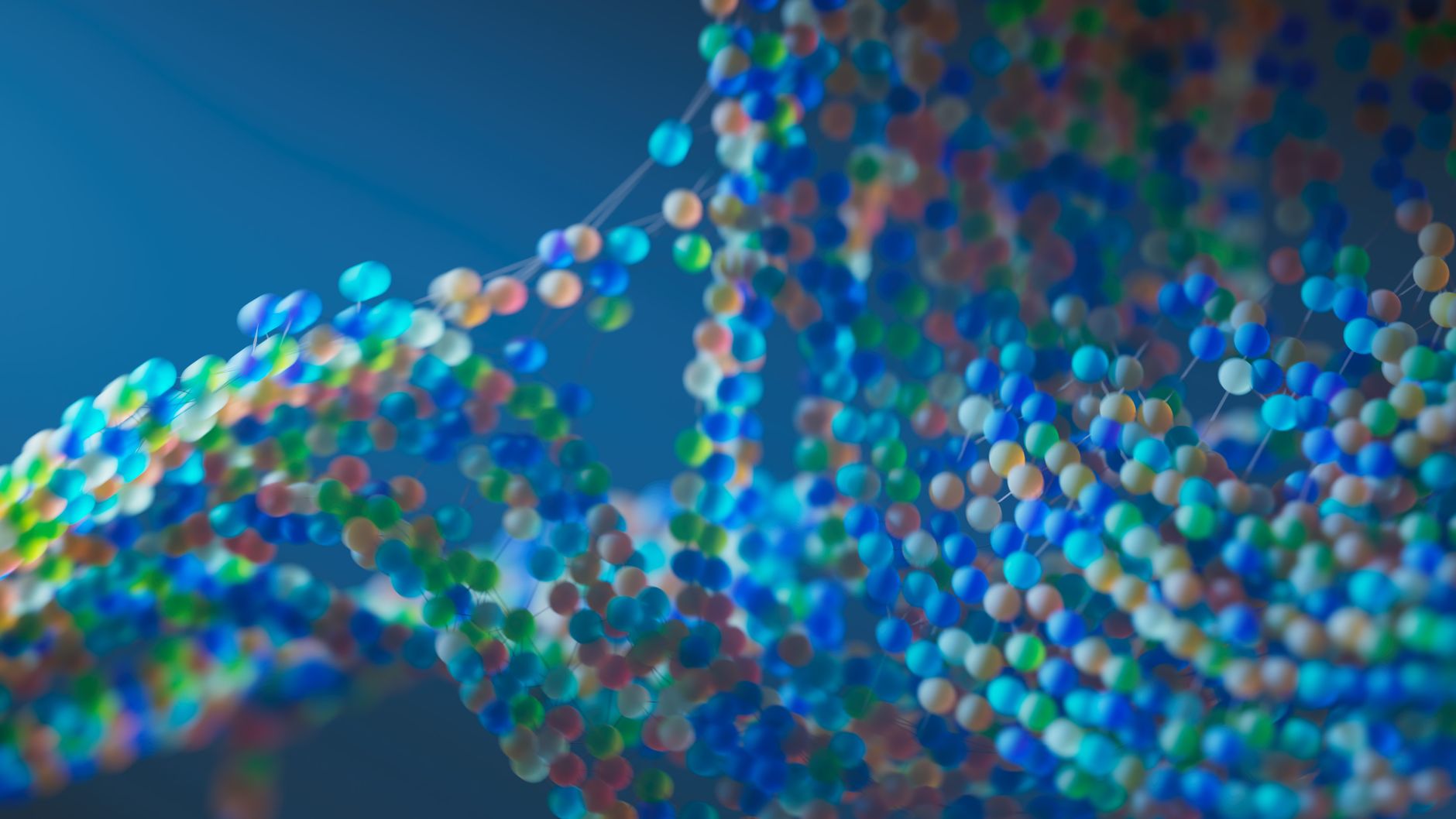
In a revelation that could alter our fundamental understanding of a seemingly simple molecule, scientists have observed water exhibiting two distinct molecular structures. This confirmation of a theory long-held by chemists and physicists alike comes courtesy of cutting-edge AI technology, finally visualising what has been conjectured for decades.
For years, the notion that water might behave like two different liquids has intrigued scientists. Now, researchers have managed to witness this phenomenon at the molecular level, a triumph that underscores the potential of artificial intelligence in scientific inquiry. The study, conducted by an international consortium, captures water's transition between these states, offering a fresh perspective on its molecular behaviour.
The Science Behind the Observation
Water, the very essence of life, is known for its peculiar properties. Its ability to switch between two molecular structures could explain its unique characteristics, such as high surface tension and anomalous density changes. The research delves into these dual states, providing a clearer picture of water's complex nature.
By employing AI, scientists have been able to simulate and observe water molecules with unprecedented accuracy. The findings suggest that water alternates between a low-density, tetrahedral structure and a high-density, disordered form. This duality is thought to be responsible for many of water's remarkable properties.
Potential Implications and Future Research
The implications of this discovery are vast. Understanding water's dual nature could revolutionise fields ranging from climate science to pharmaceuticals. It might pave the way for innovations in how water is utilised in industrial processes and environmental management.
Future research will undoubtedly build on these findings, exploring the broader implications for other materials and perhaps even leading to new technological advancements. As scientists continue to unravel the mysteries of water, this study stands as a testament to the power of modern technology in expanding our scientific horizons.