Scientists Craft First Synthetic Cell Capable of Reproduction
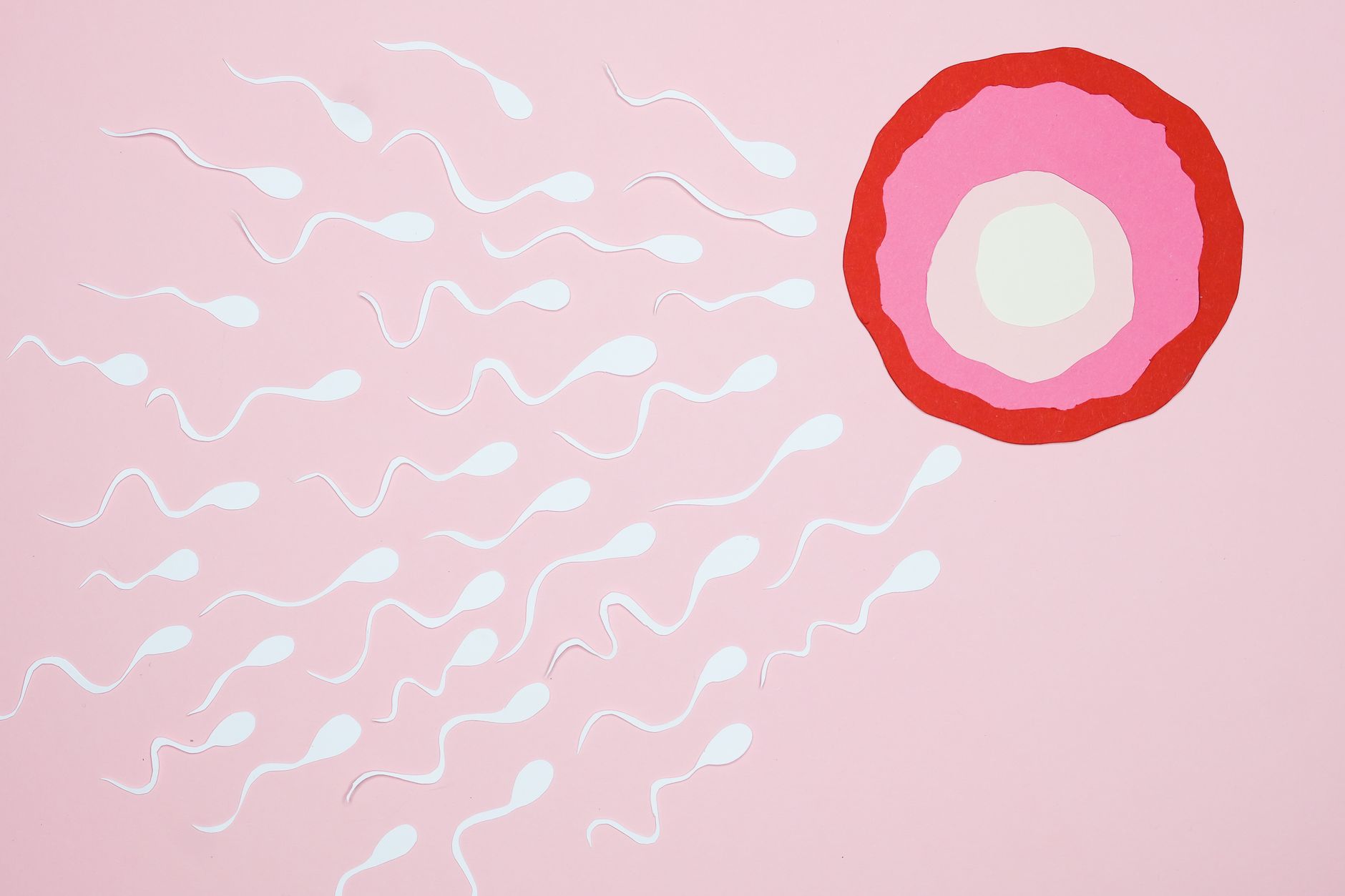
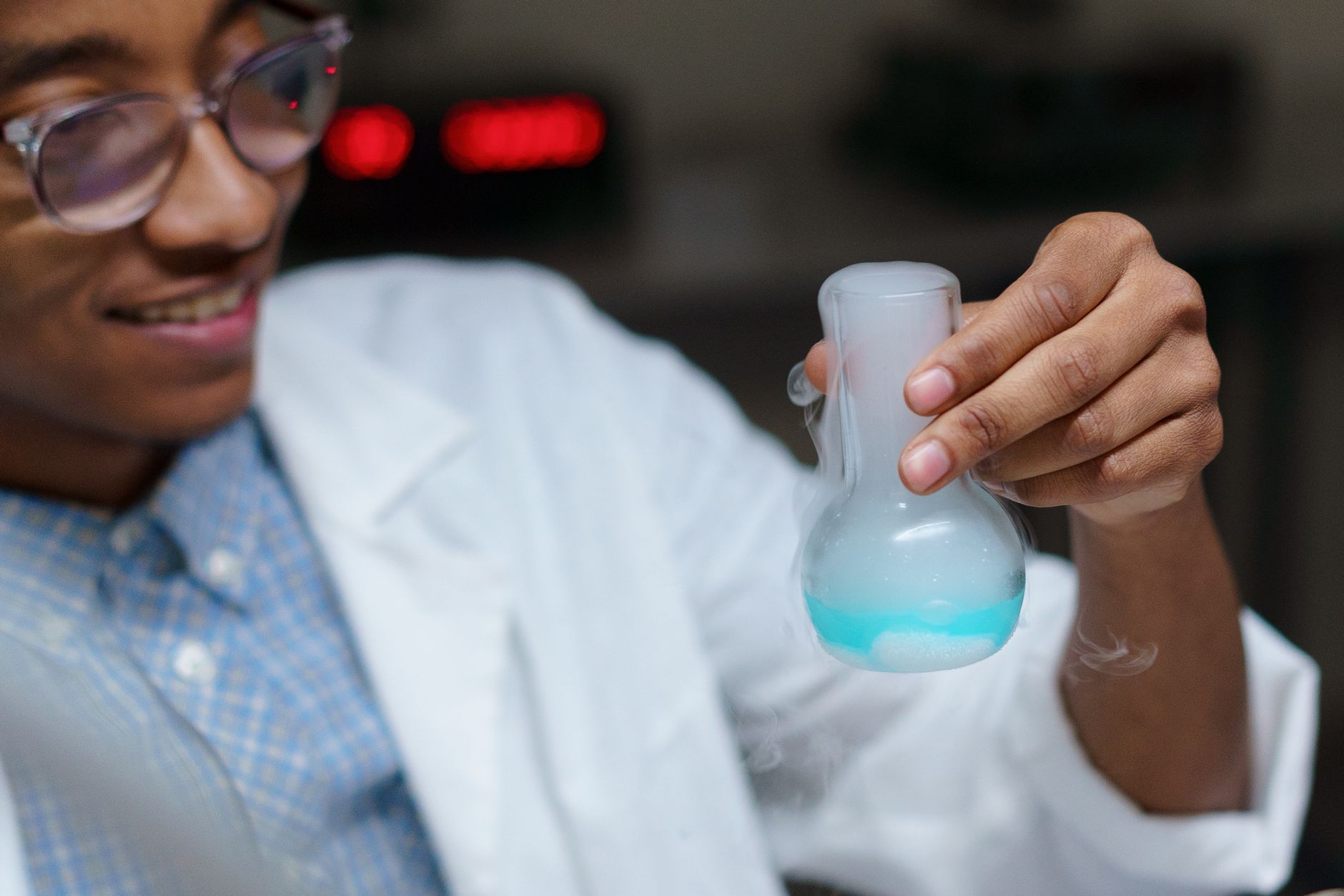
In a laboratory at the University of Minnesota, scientists have accomplished what was once thought to be the realm of science fiction: constructing a fully functional synthetic cell from scratch. This cell, affectionately dubbed the 'SpudCell' by its creators, is not just a static model but a dynamic entity capable of growing, feeding, and reproducing, akin to the cells found in nature.
The feat marks a significant milestone in synthetic biology, a field that seeks to understand and replicate the mechanisms of life. Unlike previous efforts that mostly involved modifying existing cells, this endeavour began with basic non-living materials. The result is a synthetic cell that not only mimics the functions of biological cells but also completes a full cell cycle, a first in the scientific community.
Implications for Science and Medicine
For many, this development is more than just a scientific curiosity. It raises profound questions about the nature of life and the potential for creating artificial life forms. The ability to construct life from its most basic components could revolutionise fields such as medicine and environmental science. Synthetic cells might one day be engineered to produce pharmaceuticals, clean up environmental pollutants, or even serve as living sensors.
However, the journey from laboratory to practical application is fraught with challenges. Ethical considerations will need careful thought, as the line between natural and artificial life blurs. Moreover, ensuring the safety and control of such synthetic organisms in the environment will be paramount.
The Road Ahead
Looking forward, the researchers aim to refine their techniques, potentially creating synthetic cells with even more complex functions. They hope to unravel the 'alchemy' by which simple chemicals are transformed into the building blocks of life. This knowledge could shed light on the origins of life on Earth and inform the search for life beyond our planet.
The creation of the SpudCell is undoubtedly a major step forward, but it is just the beginning. As science progresses, the boundary between the living and the non-living continues to blur, challenging our perceptions of what life can be.