Scientists Craft Living Cell from Scratch in Unprecedented Breakthrough
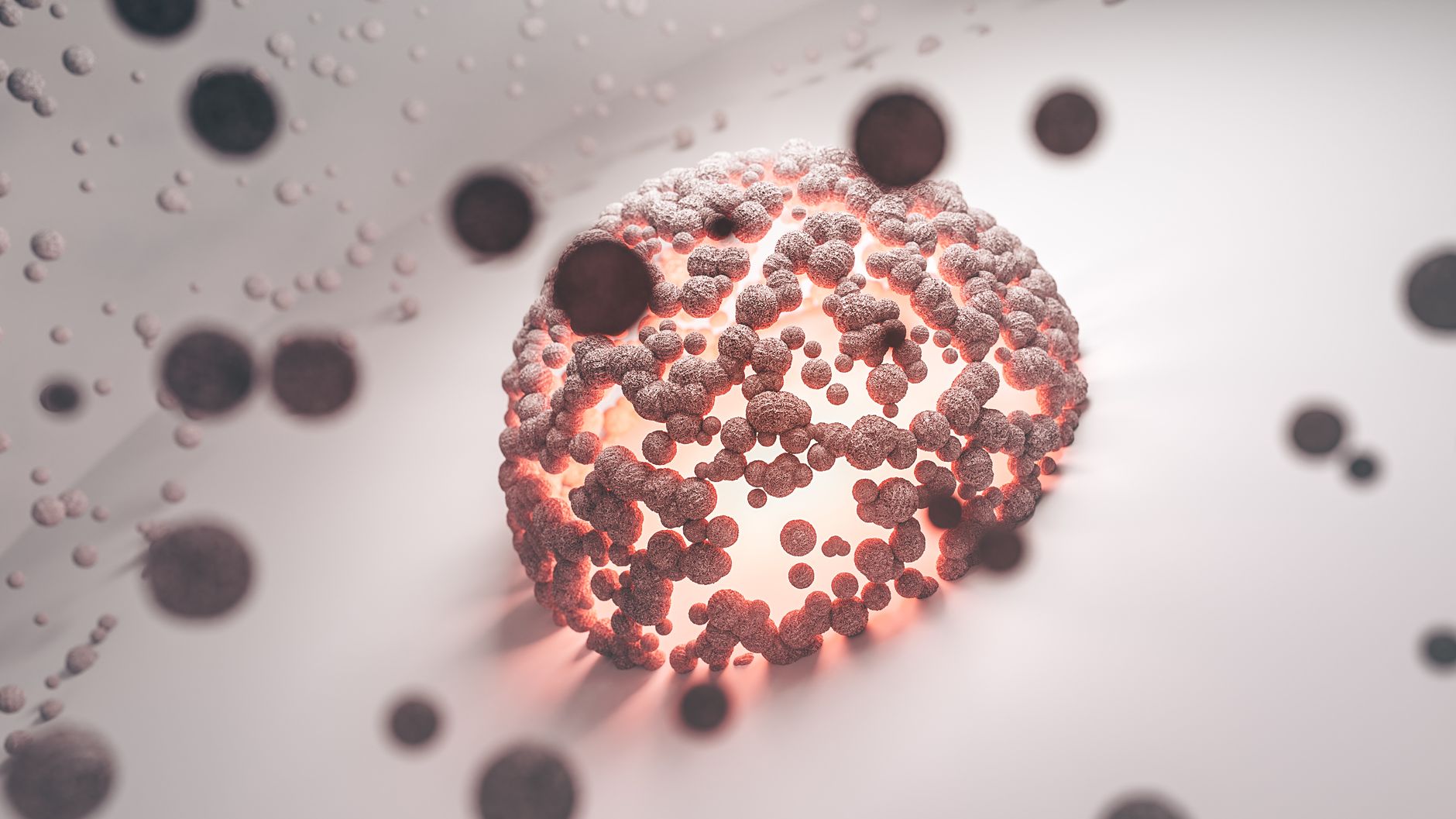
In a laboratory at the University of Minnesota, a team of intrepid scientists has taken a bold step into the future by creating the world’s first synthetic cell from scratch. Unlike anything seen before, this cell is capable of feeding, growing, and even reproducing — a testament to the remarkable progress in synthetic biology.
The creation of this cell is not just an academic exercise. It represents a significant leap towards understanding and potentially manipulating the very essence of life. With the ability to combine lifelike properties in the lab, scientists have opened a Pandora's box of possibilities — from novel cancer treatments to groundbreaking methods of carbon capture.
A New Frontier in Synthetic Biology
Constructing a cell from nonliving materials is no small feat. At its core, a cell is a complex structure, often likened to a miniature city teeming with activity. The process involved precise engineering and the meticulous assembly of cellular components, a task that required both ingenuity and patience.
The researchers liken their creation to a proof of concept that nonliving materials can be coaxed into exhibiting life-like properties. This achievement could pave the way for myriad applications in medicine and environmental science. The ability to design cells with specific functions could lead to revolutionary treatments for diseases or offer new ways to mitigate environmental damage.
Implications and Ethical Considerations
While the potential benefits are vast, this new frontier is not without its ethical and philosophical challenges. The idea of creating life in a lab prompts questions about the boundaries of scientific exploration. As these synthetic cells become more sophisticated, debates about their use and regulation are likely to intensify.
Nevertheless, the scientific community remains optimistic. With careful oversight and ethical guidelines, the synthetic cells of tomorrow might just hold the keys to solving some of the world's most pressing problems. For now, the University of Minnesota's breakthrough stands as a beacon of what human ingenuity can achieve when curiosity meets perseverance.