Scientists Craft Synthetic Cell, Pioneering New Life Forms
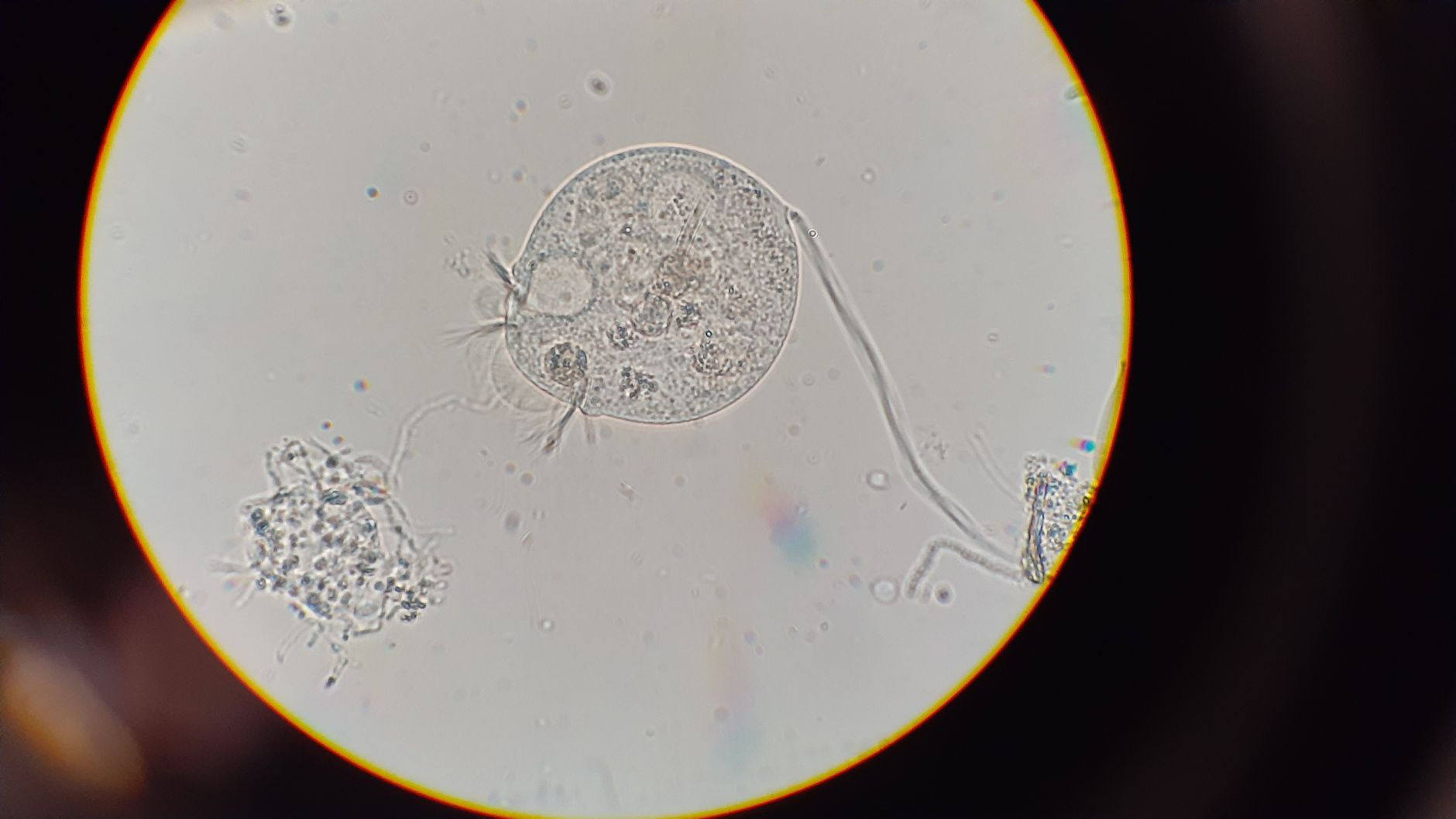
In a lab not unlike a science fiction set, scientists have crossed a threshold that was once thought to belong solely to the realm of fantasy. Researchers at the University of Minnesota have successfully created a synthetic cell from scratch, a feat that may well alter the course of biological sciences.
This synthetic cell, unlike any before, mimics the fundamental functions of its organic counterpart. It feeds, grows, and replicates, marking it as the first of its kind to complete a full life cycle. The implications of this breakthrough are manifold, offering potential advancements in fields such as medicine, where tailored cells could target specific diseases, and environmental science, where they could aid in pollution control.
A New Era in Synthetic Biology
For decades, the idea of constructing life from non-living materials has tantalised scientists and dreamers alike. Now, that vision has taken a tangible form. The synthetic cell, constructed entirely from non-living chemical components, represents a pivotal moment in synthetic biology. This achievement is not merely about creating life; it’s about engineering life with purpose.
The research team behind this innovation emphasises the potential applications of their work. By designing cells with specific functions, scientists can tackle complex problems, such as biodegrading plastics or producing biofuels. The ability to engineer cells to perform tasks that natural cells cannot manage could indeed transform industries.
Ethical and Practical Considerations
As with any groundbreaking technology, the creation of synthetic life raises ethical questions. What boundaries should guide the use of these engineered cells? How might they impact ecosystems if released into the wild? These are questions that must be addressed as the technology develops.
Despite these concerns, the potential benefits are significant. The medical field, in particular, could see remarkable innovations. Imagine cells engineered to produce insulin within the body, reducing the need for daily injections for diabetics. Or consider the potential for cells designed to repair damaged tissues, offering new hope for patients with degenerative diseases.
The creation of a synthetic cell marks the dawn of a new era in science, one where the line between the artificial and the organic blurs. As researchers continue to explore the possibilities, the world watches, poised on the brink of what could be a new biological revolution.