Scientists Create First Synthetic Cell, Heralding a New Era
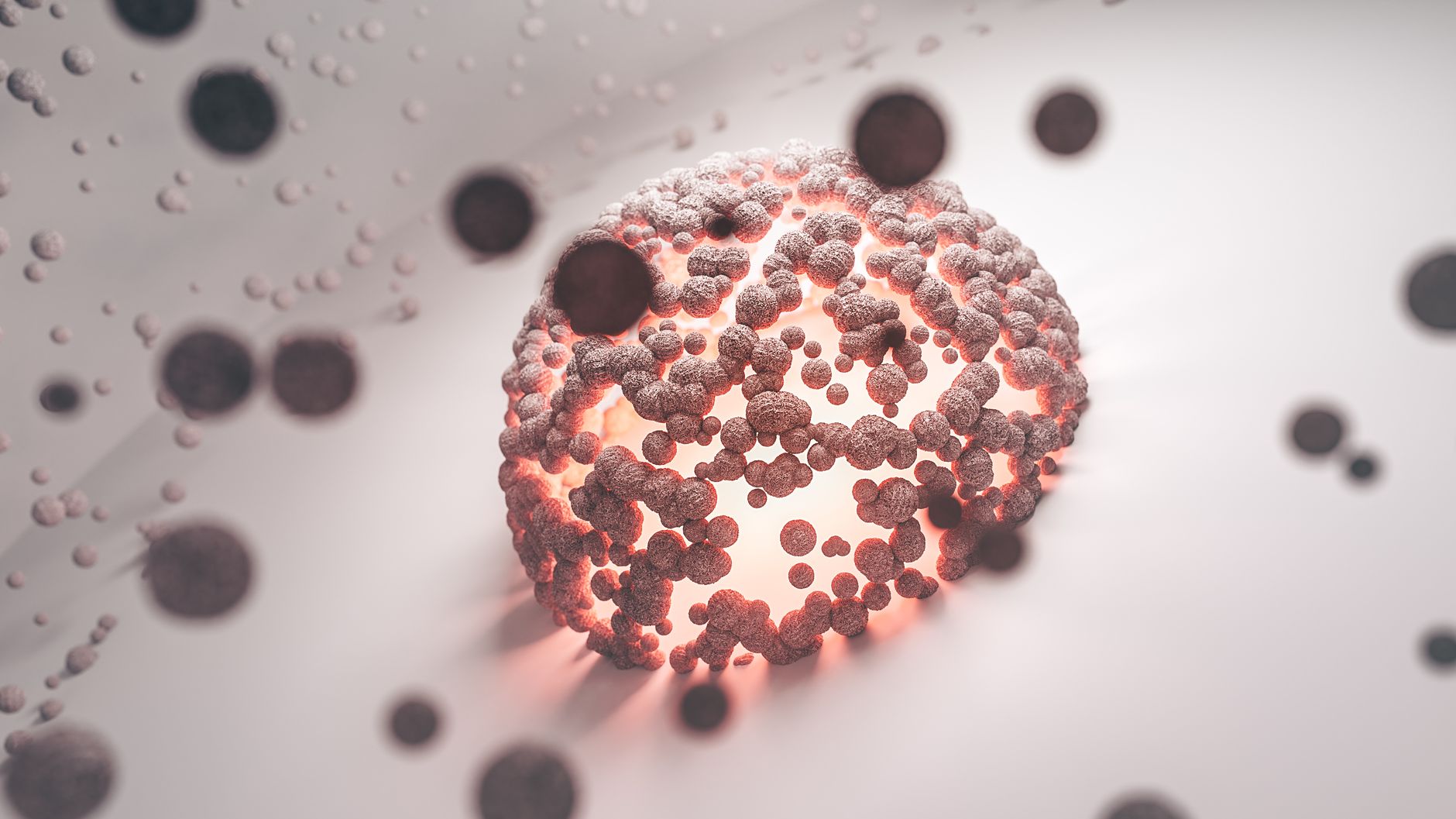
In a remarkable stride for science, researchers at the University of Minnesota have announced the creation of the first-ever synthetic cell constructed entirely from scratch. This groundbreaking achievement is not merely an academic exercise but a potent symbol of the future of synthetic biology. The implications of such a development could be far-reaching, with potential applications ranging from revolutionary cancer therapies to advanced carbon capture techniques.
A Life Cycle from Nonliving
The scientists have managed to construct a cell that not only mimics the lifelike properties of natural cells but also possesses the ability to reproduce, completing an entire ‘life’ cycle. This is a feat that bridges the gap between inanimate materials and living organisms, offering a glimpse into the future possibilities of cellular engineering. By demonstrating that nonliving materials can be coaxed into life-like behaviour, these researchers have opened the door to a host of new scientific inquiries.
Why This Matters
The creation of a synthetic cell is more than a mere laboratory triumph; it is a testament to human ingenuity and curiosity. As the fundamental building blocks of life, cells are complex structures that have long been the subject of scientific fascination. This breakthrough not only challenges our current understanding of life itself but also sets the stage for practical applications that could transform industries and medical practices.
In the context of medical research, synthetic cells could lead to the development of targeted treatments that are more effective and less invasive than current methods. Similarly, in the realm of environmental science, these cells could offer new methods for capturing carbon, thus contributing to efforts against climate change.
While the full implications of this achievement are yet to be fully realised, the creation of a synthetic cell is undeniably a pivotal moment in scientific exploration. As researchers continue to refine their techniques, the potential for synthetic biology to address some of the world's most pressing challenges appears more promising than ever.