Scientists Create Synthetic Cell, Breathing Life into Chemistry
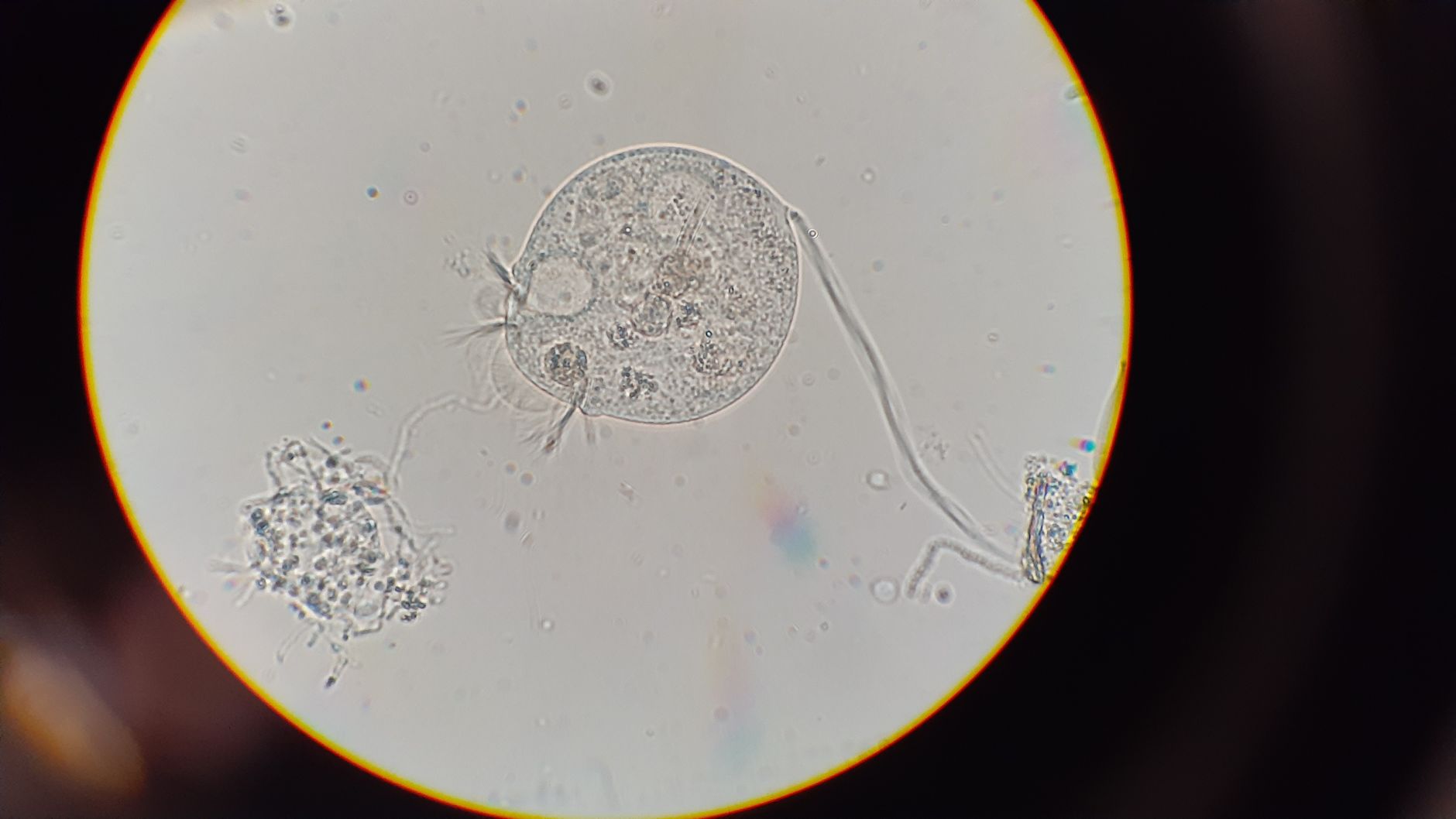
In what can only be described as a remarkable feat of scientific ingenuity, researchers at the University of Minnesota have succeeded in creating a synthetic cell from scratch. The so-called 'SpudCell' is not just a theoretical construct but a functioning entity that grows, divides, and even replicates its DNA. This cell was constructed entirely from non-living chemical components, a testament to the strides being made in synthetic biology.
John Glass, a leading figure at the J. Craig Venter Institute, heralded this development as a landmark event in the history of biology. 'The ability to design and build a cell from the ground up challenges our understanding of life itself,' he remarked. Indeed, the SpudCell blurs the lines between the living and the non-living, offering a glimpse into a future where the synthesis of life could become a routine laboratory procedure.
A Bold New Frontier
The creation of the SpudCell is not merely an academic exercise but a proof of concept that opens up a myriad of potential applications. From developing new drugs and therapies to advancing our understanding of life's fundamental processes, the implications are vast. This breakthrough could ultimately lead to the creation of bespoke cells tailored for specific medical or industrial purposes.
However, with such advancements come ethical considerations. The notion of creating life in a lab raises questions about the moral responsibilities of scientists. How far should we go in engineering life? It's a debate that will undoubtedly intensify as the field progresses.
The Road Ahead
As scientists continue to refine their techniques, the focus will likely shift towards enhancing the complexity and functionality of synthetic cells. The SpudCell, while groundbreaking, is only the beginning. Future iterations could possess more intricate behaviours, potentially leading to cells that can perform tasks beyond the capabilities of natural cells.
In conclusion, the advent of lab-built cells represents both a triumph and a challenge. It is a triumph of human curiosity and ingenuity, yet it challenges us to reconsider our definitions of life and our role within it. As we stand on the cusp of a new era in biology, one can only marvel at the possibilities that lie ahead.