Scientists Edge Closer to Synthetic Life with Lab-Made DNA
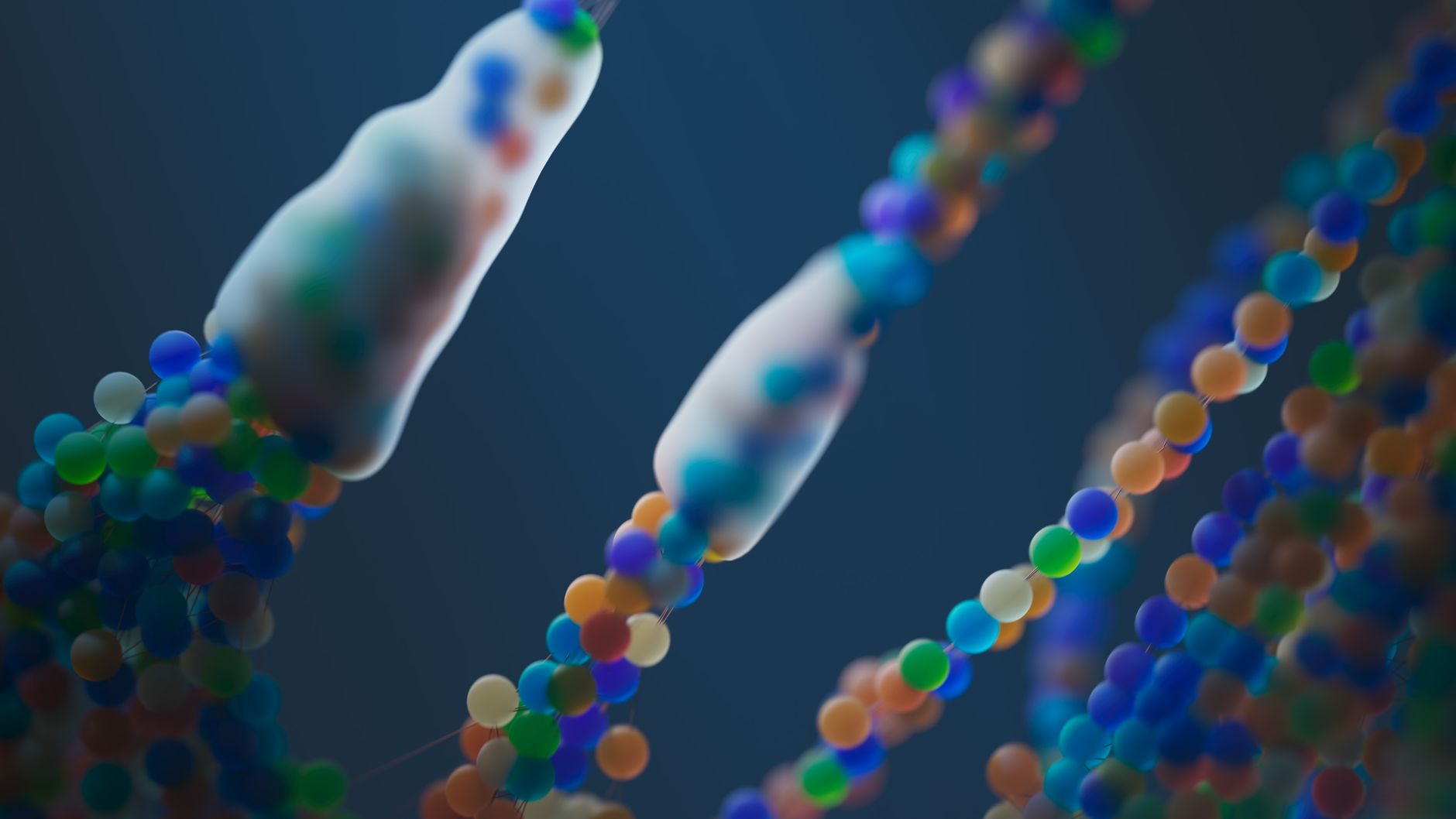
In the hushed corridors of modern science, a new kind of life is quietly taking form. These are not creatures found in the wild, but 'beautiful blobs' born from the crucible of human ingenuity. Scientists have managed to craft cells with lab-made DNA, a feat that nudges the boundary between biology and engineering ever closer.
These synthetic cells, unlike their natural counterparts, are the product of meticulous laboratory work. Built from scratch, they are designed to live, grow, and multiply, holding immense promise for the future of medicine. Imagine cells that could be programmed to deliver drugs directly to a tumour or to replace damaged tissues with precision. Such possibilities have long been the stuff of science fiction, but they are now inching towards reality.
A Journey from Fiction to Fact
The journey to this point has been fraught with challenges. It began over a decade ago when Craig Venter, a pioneer in genetics, famously created an organism based on a bacterium known for causing mastitis in goats. Venter's work laid the groundwork, proving that life could be pieced together in a lab.
Since then, scientists have been refining techniques, learning to wield the tools of synthetic biology with increasing precision. Their latest creation, these synthetic cells, are essentially alive. They use their synthetic DNA instructions to replicate and even divide, a process facilitated by fusing with feeder liposomes.
Implications for Biotechnology
While the scientific community buzzes with excitement, the implications of this development extend far beyond the laboratory. In the realm of biotechnology, synthetic cells could pave the way for novel treatments, offering targeted solutions where traditional medicine falls short. Moreover, this advancement raises profound ethical questions about the nature of life and our role in creating it.
As we stand on the cusp of a new era in synthetic biology, the potential applications are as vast as they are thrilling. From revolutionising agriculture to engineering new organisms that can clean up environmental waste, the possibilities are limited only by our imagination.
For now, these 'beautiful blobs' represent a hopeful glimpse into the future, where humanity continues to push the boundaries of what is possible.