Scientists Forge a Cell from Scratch: A Leap in Synthetic Biology
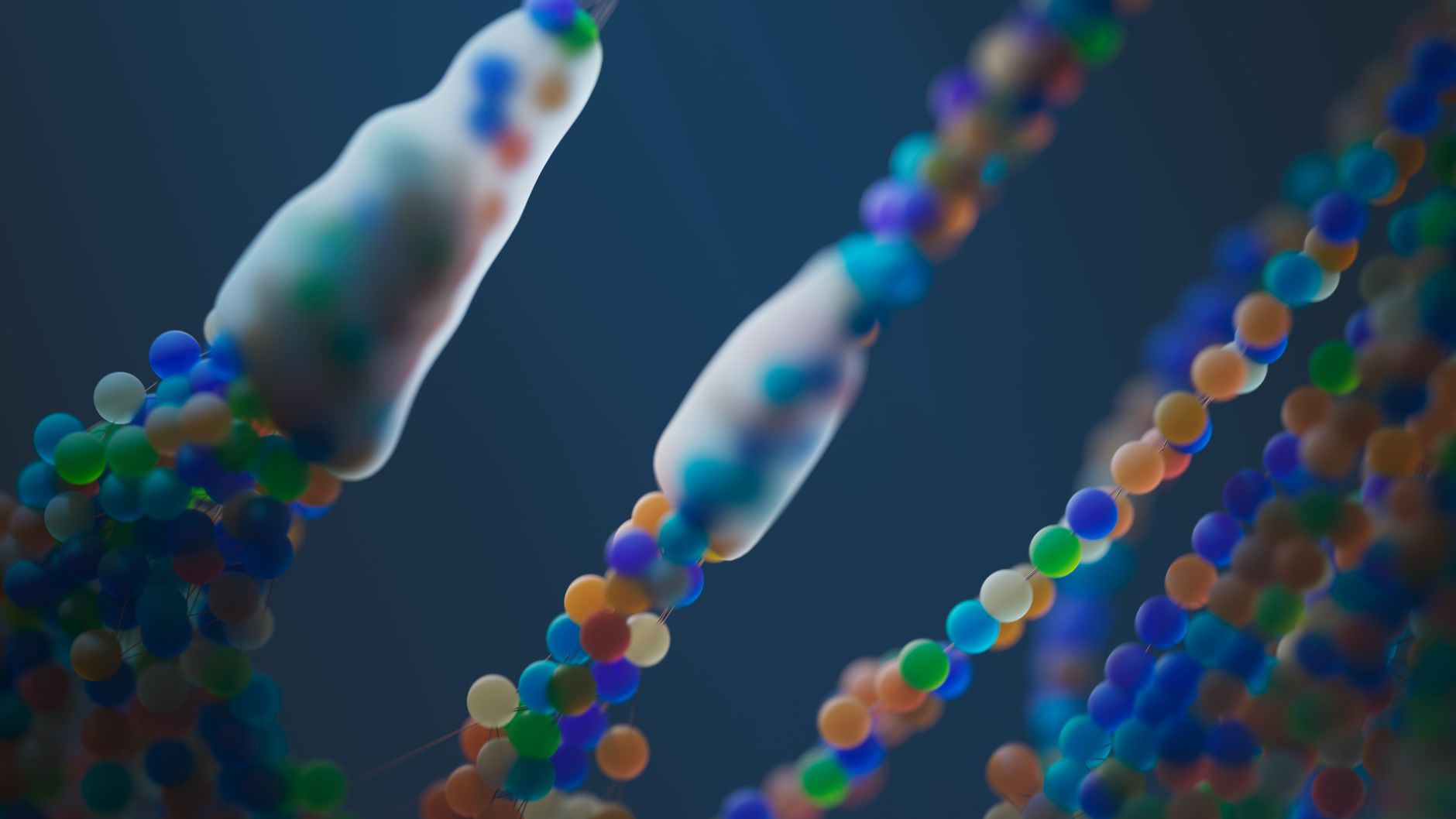
Amidst the bustling corridors of scientific research, a team of pioneering scientists has announced a breakthrough that could redefine the very essence of life. They have successfully constructed a synthetic cell from the ground up, one that can feed, grow, and replicate akin to its natural counterparts. This remarkable feat heralds a new era in synthetic biology, with profound implications for biotechnology and medicine.
The synthetic cell, reminiscent of a living organism, was built entirely from non-living chemical components. It represents the culmination of years of meticulous research and innovation. Unlike previous attempts that fell short of true cellular autonomy, this creation is capable of completing a full life cycle independently. The researchers behind this achievement hail from a prestigious university, their work contributing significantly to the burgeoning field of synthetic biology.
The Science Behind the Synthesis
At the heart of this development is the protocell, a compartmentalized structure that can perform specific functions. By orchestrating an intricate dance of chemical reactions, scientists have managed to imbue these protocells with life-like qualities. This involves delicate manipulations of molecular components to mimic the behaviour of natural cells, from nutrient uptake to growth and eventual replication.
The implications of this research extend far beyond academic curiosity. Custom-designed organisms could revolutionise the production of biofuels, pharmaceuticals, and even pave the way for new forms of environmental remediation. The ability to tailor biological functions at such a fundamental level holds promise for addressing some of the world's most pressing challenges.
Ethical and Philosophical Considerations
Yet, as with any groundbreaking scientific advancement, this development raises ethical and philosophical questions. The prospect of creating life from scratch prompts a reevaluation of our understanding of life itself. It challenges existing moral frameworks and necessitates discussions on the potential risks and regulations needed to govern such powerful technology.
While the scientific community largely celebrates this milestone, it is imperative to balance enthusiasm with caution. The path ahead will require careful consideration of both the opportunities and responsibilities that come with wielding the power to create life.
As synthetic biology continues to evolve, the creation of a synthetic cell marks just the beginning of a journey that could eventually lead to the development of organisms tailored to serve humanity's needs. It is a testament to human ingenuity and a reminder of the delicate balance between innovation and ethical stewardship.