Scientists Tackle Sewer-Choking Fatbergs with New Tech
In the murky depths beneath some of the world's busiest streets, a quiet yet formidable adversary lurks. Fatbergs, vast congealed masses of fat, oils, grease, and waste, are causing havoc in urban sewer systems. Recent reports highlight a 500-metre blockage under Poyle Road near Heathrow Terminal 5, a stark reminder of the scale of this subterranean menace.
The Anatomy of a Fatberg
These sewer monsters form when fat, oil, and grease (collectively known as FOG) mix with sewer water and the calcium leached from ageing concrete pipes. Over time, this mixture solidifies into a formidable mass. What once was a rare occurrence has become a routine and costly feature of city infrastructure worldwide.
Cities like New York are spending millions annually to remove these blockages, a testament to the growing severity of the problem. The removal process is not only costly but also labour-intensive, requiring teams to manually break down these stubborn structures.
Innovative Solutions in the Pipeline
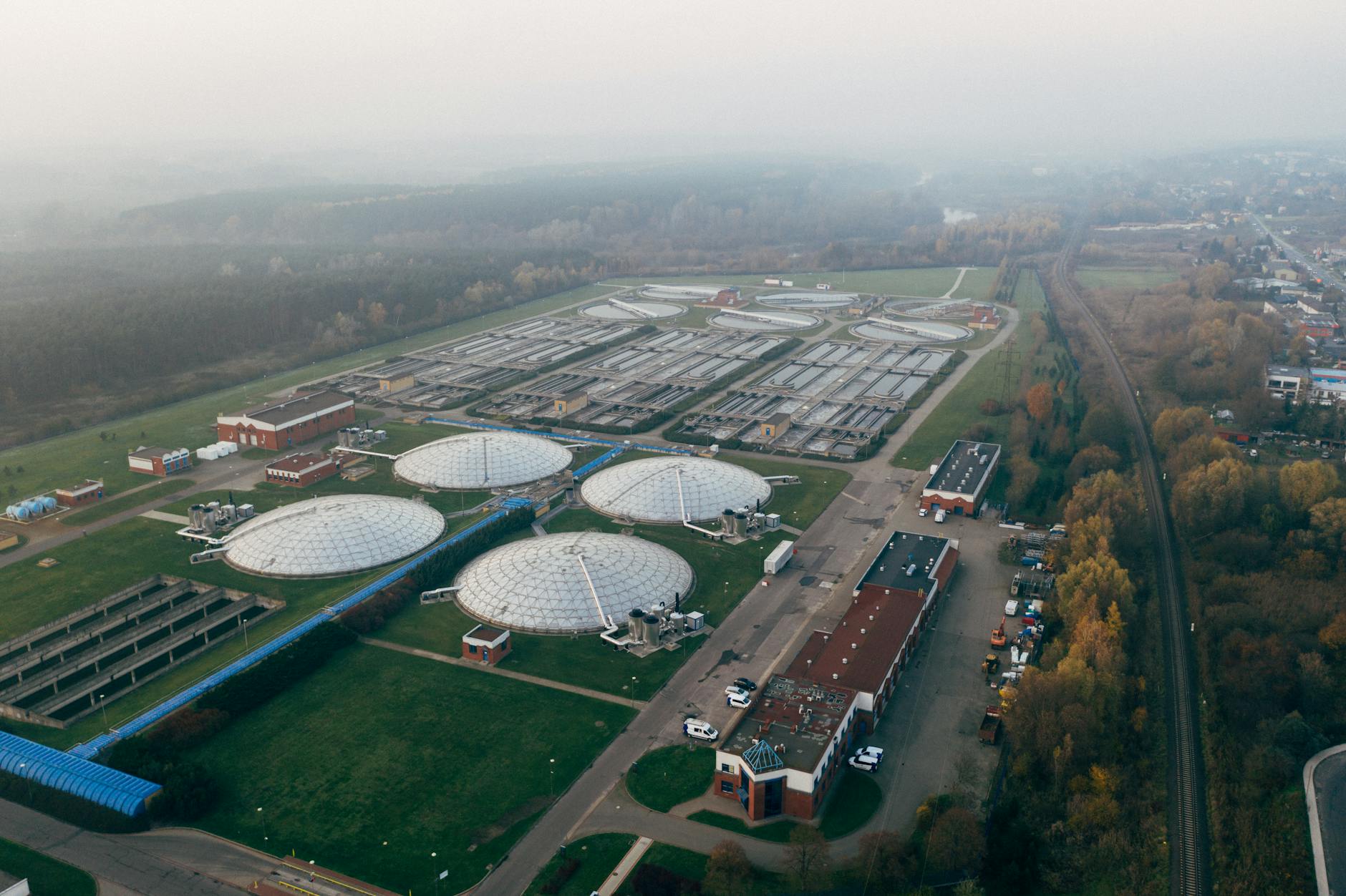
However, hope is on the horizon. Researchers in Australia are pioneering a new wastewater treatment system designed to prevent fatbergs from forming. This technology promises to save water utilities billions each year by intercepting FOG before it can congeal into a fatberg. Such innovations are crucial as urban populations continue to grow, exacerbating the strain on already overburdened sewer systems.
The global fight against fatbergs is a testament to the ingenuity and resilience of modern science. As cities continue to expand, the need for sustainable infrastructure solutions becomes ever more pressing. By harnessing new technologies, scientists are not just battling fatbergs but paving the way for cleaner, more efficient urban living.