Scientists Validate Theory of Water's Dual Molecular Structures
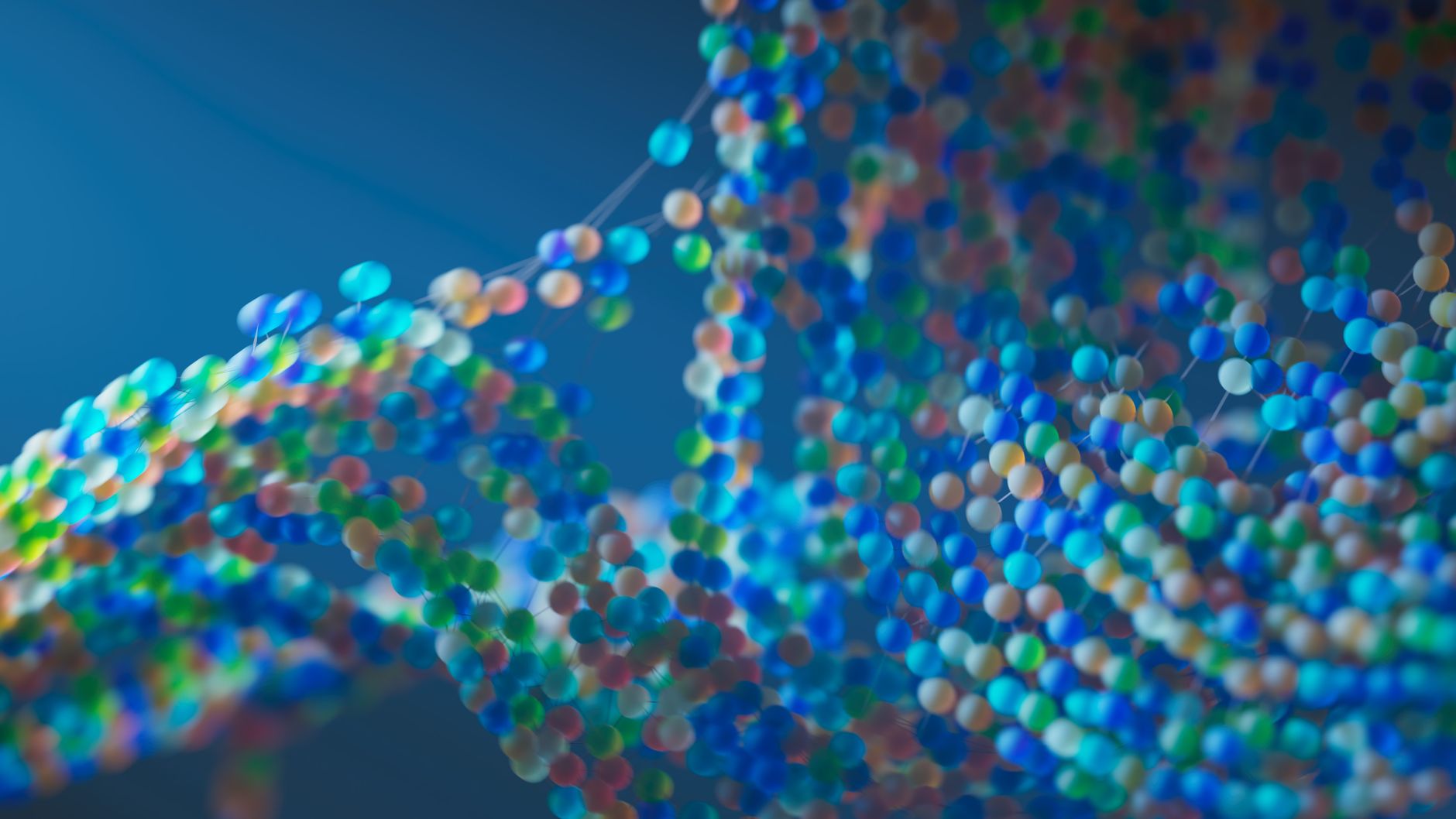
In a significant scientific breakthrough, researchers have observed water behaving in a manner that substantiates a theory posited decades ago—that water exists as two distinct liquids at the molecular level. This revelation, enabled by advanced artificial intelligence, marks a pivotal moment in our understanding of one of the most ubiquitous yet enigmatic substances on Earth.
The study reveals that under extremely cold conditions, water can switch between a less dense and a more structured liquid form. This dual nature could be the key to explaining why water exhibits such unique characteristics compared to other liquids.
For years, the idea that water might behave as if it were two different substances has intrigued scientists. The late Masaru Emoto's controversial experiments suggested that human thoughts could influence water's molecular structure, a notion that many regarded with scepticism. However, the recent study's findings are grounded in rigorous scientific methods and have been met with excitement within the scientific community.
The Implications of Dual Liquid Forms
This discovery not only challenges our conventional understanding of water but also opens avenues for further research into its properties. The idea of 'structured water' has long been discussed, with theories positing that certain conditions or ions could alter water's molecular arrangement. Now, with concrete evidence of dual liquid forms, these discussions gain new credibility.
The implications are vast, extending beyond theoretical science. Understanding water's duality could enhance technologies in fields ranging from climate science to materials engineering. It could also lead to innovations in how we use water in industrial processes or understand its role in biological systems.
The study stands as a testament to the power of AI in scientific discovery, allowing researchers to observe phenomena previously hidden from view. As scientists continue to unravel the mysteries of water, this dual liquid theory may prove to be a cornerstone in redefining our relationship with this vital substance.