Scientists Witness Water's Dual Molecular Dance, Confirming Old Theory
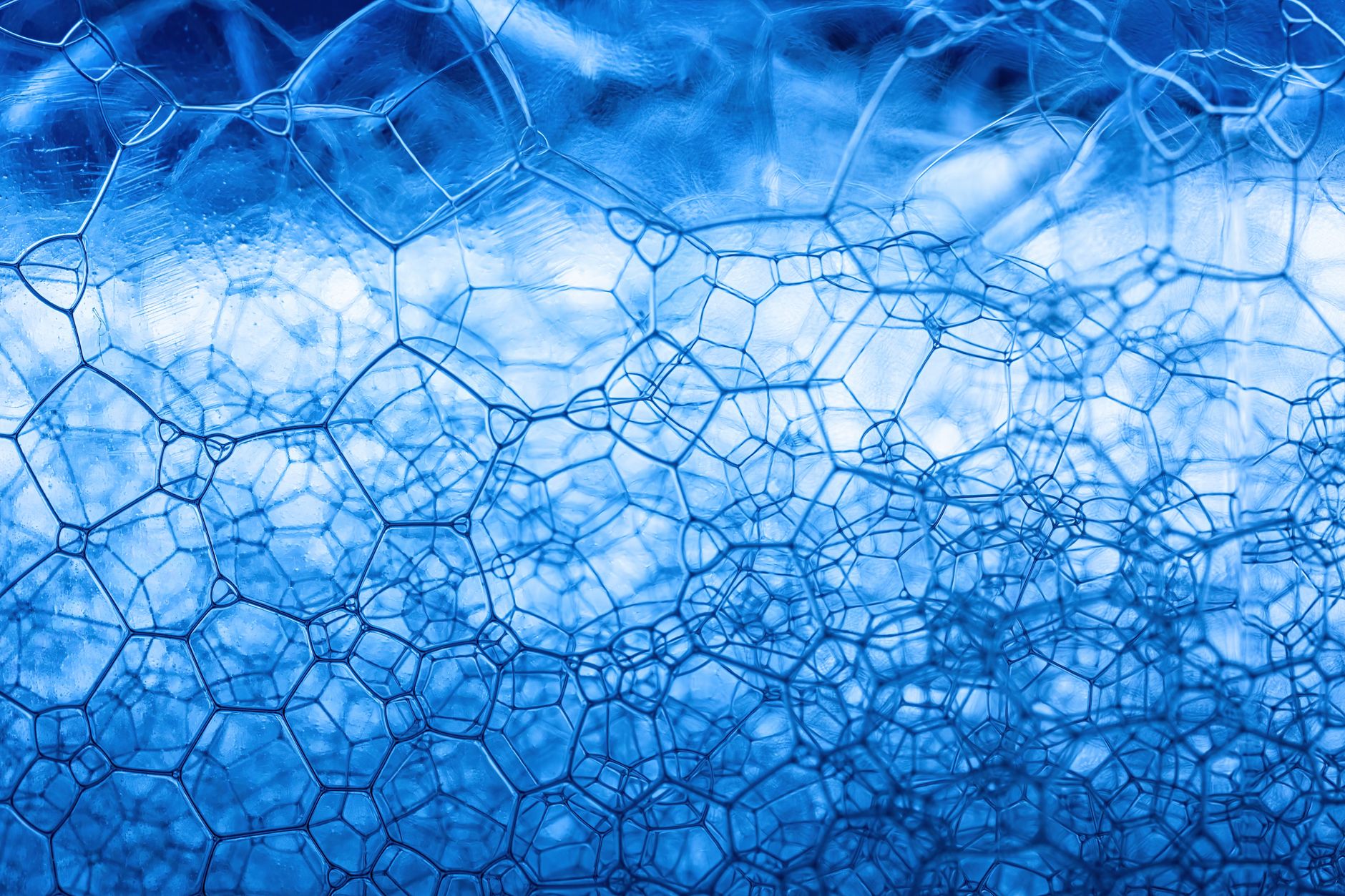
In the realm of science, water has once again proved to be a source of endless intrigue. Recent findings have illuminated the enigmatic behaviour of H2O, as researchers have captured water molecules transitioning between two distinct liquid forms. This remarkable discovery lends weight to a theory that has tantalised scientists for decades.
Using the prowess of artificial intelligence, the study observed water under extremely cold conditions, where it exhibited characteristics akin to two separate liquids. One form appeared less dense, with a more ordered molecular structure, while the other was denser and less structured. These findings offer a rare glimpse into the dynamic nature of water at the molecular level, challenging longstanding perceptions.
The Two Faces of Water
Historically, water has been viewed as a simple, ubiquitous substance. Yet, its anomalous properties have puzzled researchers, leading to the hypothesis that it can exist in dual liquid states. This concept, although contentious, suggests that under certain conditions, water's molecules arrange themselves into distinct structures, each with unique density and entropy.
Masaru Emoto, a Japanese scientist, famously explored the idea that external influences, such as thoughts and emotions, could affect water's molecular arrangement. While his theories were met with scepticism, the latest study, grounded in rigorous scientific methodology, provides a more tangible basis for understanding water's duality.
Implications for Science
The implications of this discovery are profound. Water's ability to morph between two liquid states could influence a range of scientific fields, from chemistry to climate science. It may explain why water behaves anomalously compared to other substances, including its expansion upon freezing and its role as a universal solvent.
Moreover, this study underscores the transformative potential of AI in scientific research, offering unprecedented insights into complex molecular behaviours. As scientists continue to unravel the mysteries of water, these findings may pave the way for new advancements in material science and technology.