Seismic Resilience: The Silent Architect of Survival
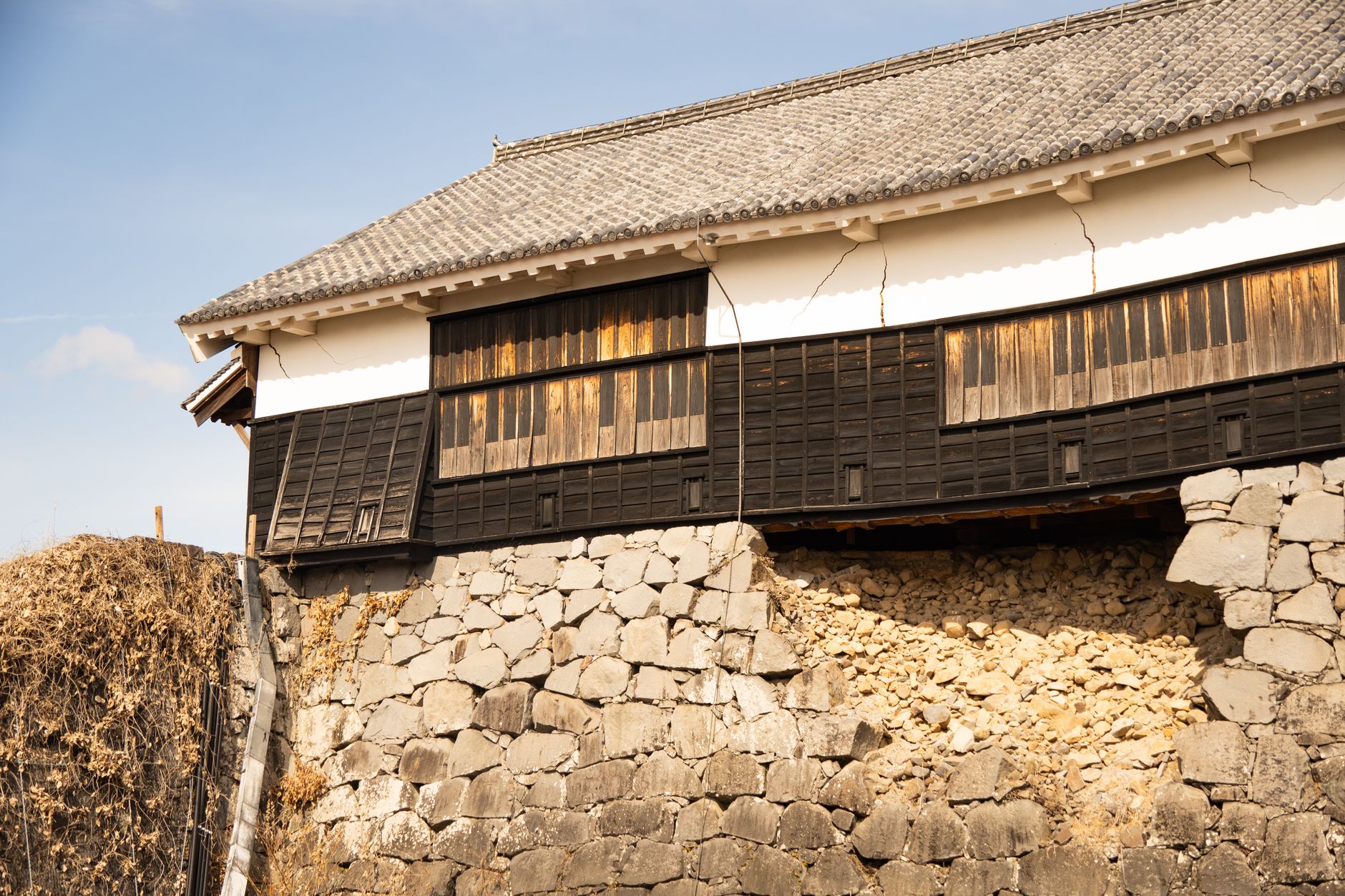
When the earth trembled beneath Japan, California, and Venezuela within a mere 36-hour span, the world was reminded of nature’s unpredictable might. A 7.2 magnitude quake rattled Japan's northeastern coast, while Northern California shivered under a 5.6 magnitude shock. Venezuela, too, felt the earth's wrath. Yet, despite the formidable seismic activity, the human toll was astonishingly low.
Japan, a nation that has danced with earthquakes for centuries, stands at the forefront of seismic resilience. Its architectural choices are a testament to preparedness. Buildings in Japan sway rather than shatter, thanks to advanced engineering that prioritises flexibility over rigidity. This philosophy extends to public drills and comprehensive emergency response strategies. In comparison, Turkey's devastating 7.8 magnitude earthquake earlier this year demonstrated the tragic results when such measures are absent.
The Californian Approach
California, too, lies along a notorious fault line. The state's building codes, among the strictest in the world, require structures to withstand significant ground movement. Yet, it is not just legislation that saves lives. Education and community awareness play pivotal roles. Residents are not merely informed of the risks; they are actively engaged in understanding how to respond when the inevitable occurs.
A Global Lesson in Preparedness
Venezuela’s experience serves as a sobering reminder of the potential consequences when infrastructure lags behind. While the immediate impact was less severe, the region’s vulnerability highlights the urgent need for investment in resilient infrastructure.
Seismic resilience is not merely an architectural concern; it is a matter of survival. As climate change intensifies natural disasters, the importance of learning from these regions becomes paramount. The world must embrace the lessons of Japan and California, not as an act of imitation, but as a commitment to protecting life in the face of nature's caprice.