Sky Wars: The Rising Demand for Anti-Drone Technology
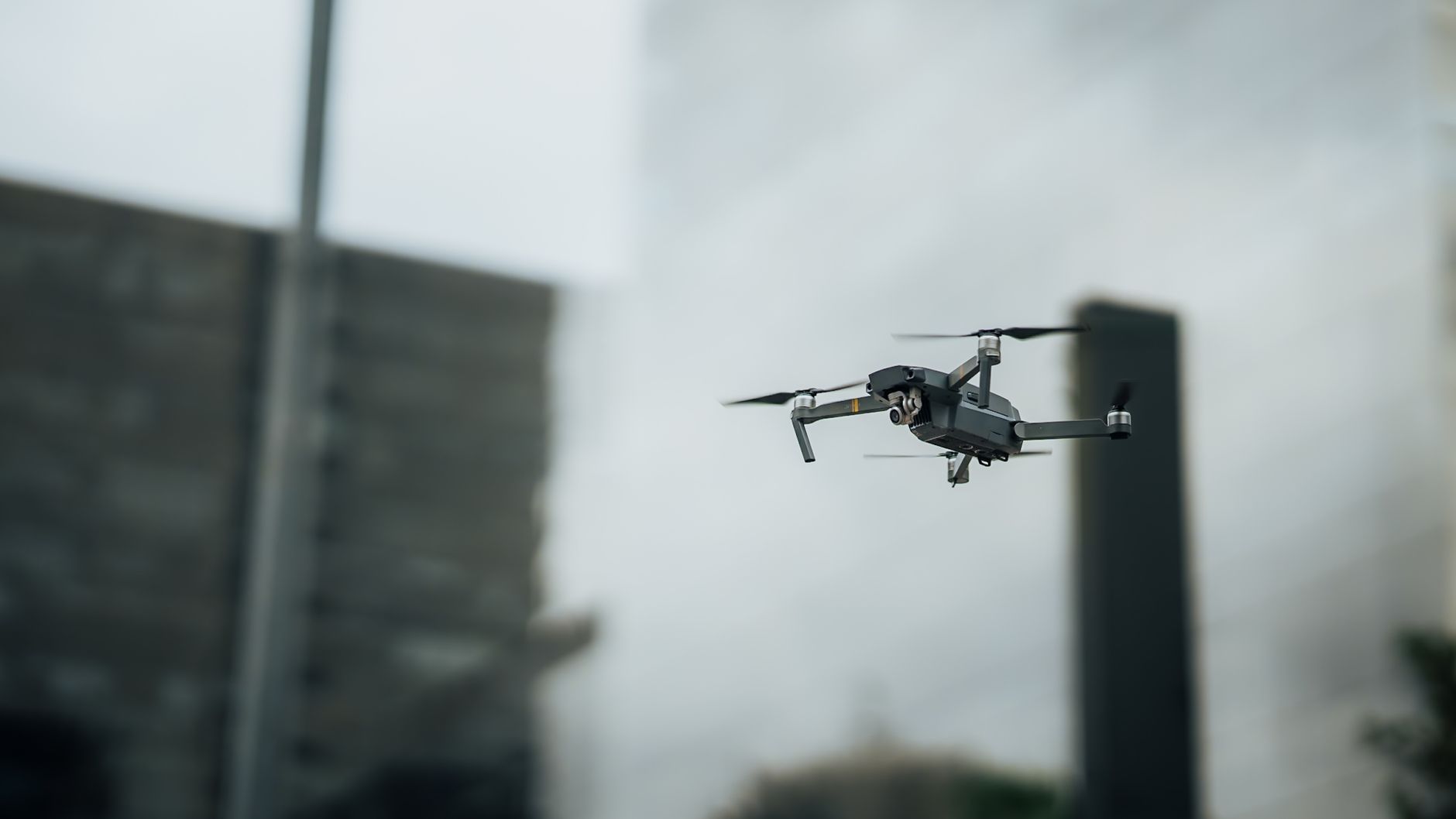
In a world where warfare is no longer confined to the trenches, drones are rewriting the rules of engagement. Recently, the skies over Europe and the Middle East have witnessed a spate of drone incursions, compelling a burgeoning market for anti-drone technology to take flight.
The spectre of drones disrupting vital infrastructure is not a distant threat but a current reality. Airports across Europe have reported numerous incidents where drones have caused chaos, grounding flights and forcing emergency diversions. Meanwhile, strategic oil fields in the Middle East have been vulnerable to similar assaults, prompting an urgent need for robust defence systems.
As the drone menace grows, so too does the industry dedicated to countering it. Companies are now racing to develop advanced radars, electronic jammers, and interception drones to protect against these unmanned aerial vehicles. The demand is particularly intense in regions where geopolitical tensions and critical infrastructure intersect.
The Economic Implications
This surge in demand for anti-drone technology is not just a security imperative; it’s an economic opportunity. The global market for such technology is predicted to expand exponentially in the coming years, offering lucrative prospects for defence contractors and tech firms alike. The race to innovate is fierce, with firms vying to provide the most effective solutions to governments and private industries.
However, the proliferation of anti-drone measures raises questions about regulation and oversight. As nations ramp up their defensive capabilities, there is a thin line between necessary security measures and potential overreach. Balancing these concerns will be crucial in ensuring that the skies remain both safe and free.
A Changing Battlefield
Drone technology has already altered the dynamics of modern warfare, offering both strategic advantages and new vulnerabilities. The ability to strike targets with precision, without risking human life, has made drones indispensable in conflict zones. Yet, as recent events have shown, their use is not limited to official battlefields.
The incidents in Russia, where drones were reportedly used to attack airbases, underscore the evolving nature of military strategy. Such attacks highlight the importance of developing comprehensive defence systems that can adapt to new forms of aerial threats.
Ultimately, the rise of drones and the corresponding demand for countermeasures reflect a broader evolution in military and security thinking. As technology continues to advance, so too must our approaches to managing its risks and harnessing its potential.