SpudCell: A Synthetic Leap in Cellular Life
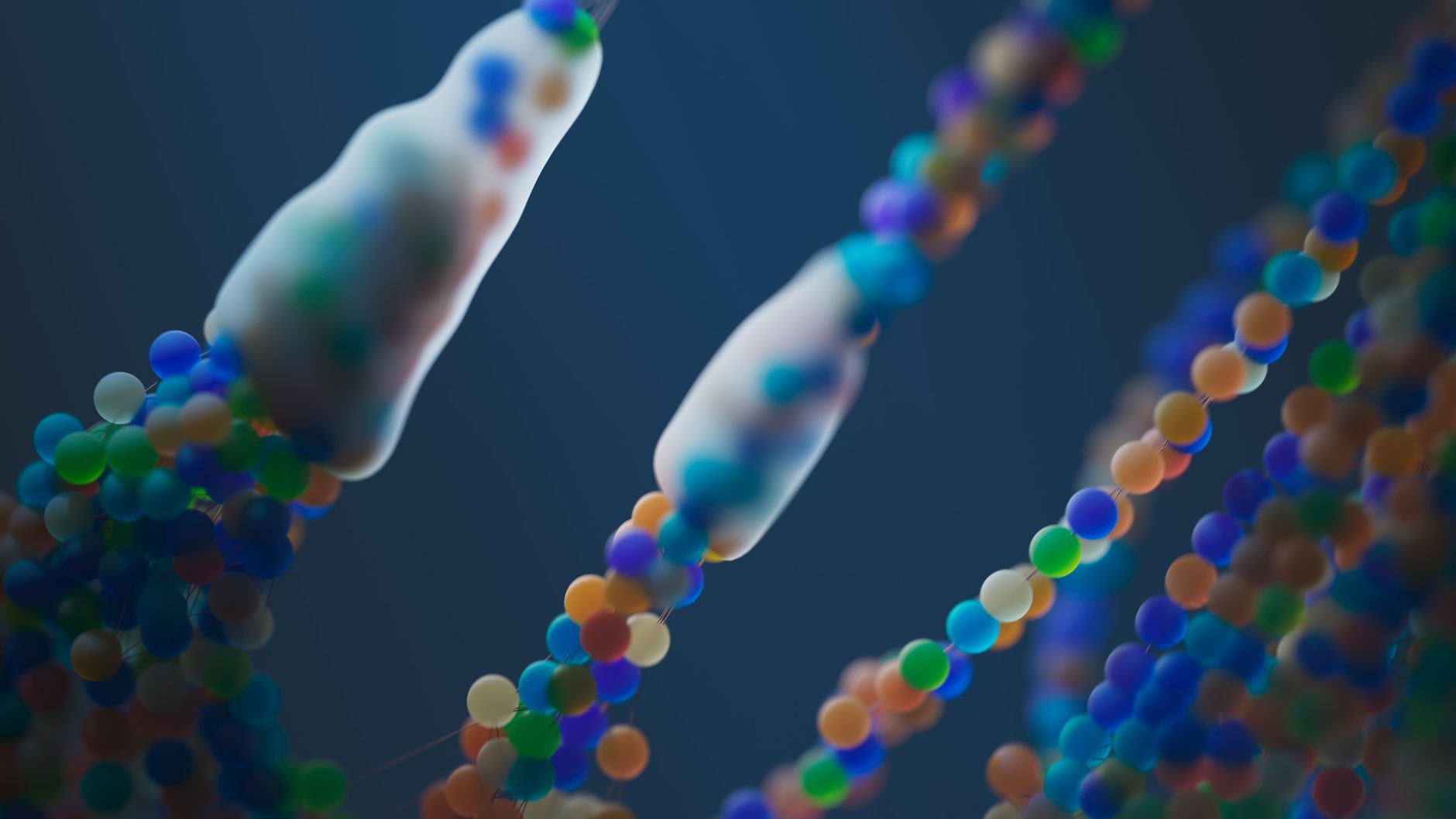
In a development that could alter the very definition of life, scientists at the University of Minnesota have successfully constructed SpudCell, a synthetic cell with capabilities that mirror those of natural cells. This creation, while not entirely 'alive' by some definitions, performs crucial life functions such as feeding, growing, and replicating, marking a significant milestone in synthetic biology.
SpudCell represents a leap beyond previous efforts that often began with existing life forms, such as bacteria with stripped-down genomes. Unlike these predecessors, SpudCell was built from scratch, a feat that highlights human ingenuity in understanding and replicating the mechanics of life. But what exactly does this mean for science and society at large?
The Science Behind SpudCell
SpudCell's creators aimed to replicate the fundamental processes of life within a lab environment. By doing so, they hoped to glean insights into the very building blocks that make up living organisms. The cell's name, whimsically derived from the humble potato, belies the sophistication of its construction. It was designed to mimic the complex interactions and functions found in natural cells, thus providing a model to study life's intricacies in a controlled setting.
This synthetic cell is equipped with a membrane that allows it to intake nutrients, grow, and divide, akin to organic cells. These features are not just superficial imitations; they are the result of meticulous engineering that seeks to emulate the elegance of natural processes.
Implications and Ethical Considerations
The creation of SpudCell raises intriguing possibilities. Synthetic cells could revolutionise fields such as medicine, where engineered cells might be designed to produce pharmaceuticals or even repair tissue. Beyond healthcare, these cells could find applications in environmental technology, such as developing microbes that can neutralise pollutants.
However, this breakthrough also prompts ethical and philosophical debates. What defines life? Can something entirely human-made be considered 'alive'? These questions, once the realm of science fiction, are now pressing issues for ethicists and policymakers alike.
In conclusion, SpudCell is more than a scientific curiosity; it is a testament to human curiosity and capability. As scientists continue to explore the boundaries of synthetic biology, the world watches with bated breath, anticipating the future possibilities this innovation may unlock.