Supreme Court Demands National Legal Academy for Advocates
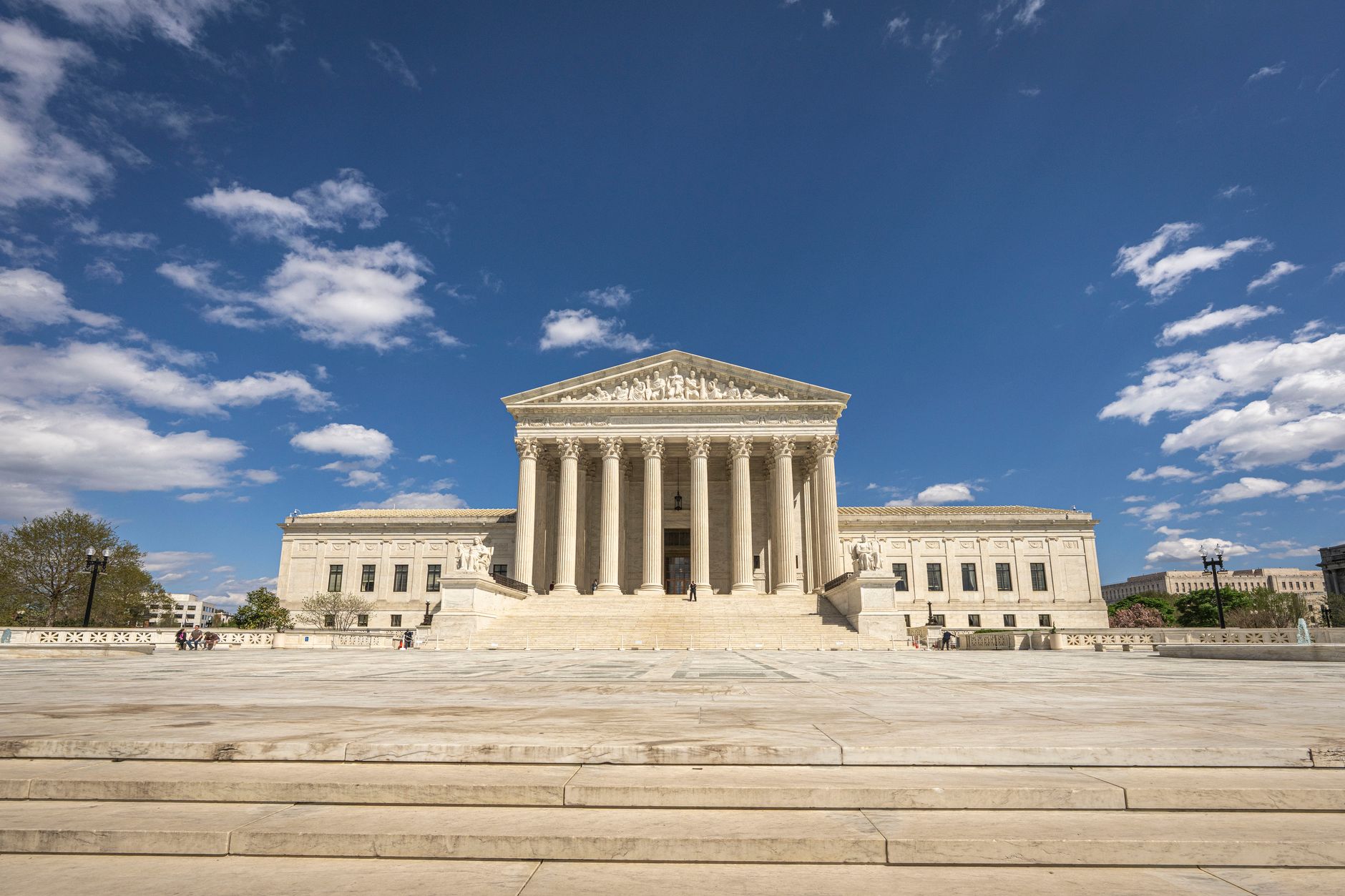
The hallowed halls of the Supreme Court resonated with a call for reform on Tuesday as Justices PS Narasimha and Alok Aradhe exhorted the Bar Council of India (BCI) to establish a National Legal Academy for advocates. This directive comes as part of a broader push to institutionalise Continuing Legal Education (CLE) across the legal profession.
The court's urgency stems from an evident gap in ongoing professional development for advocates. Unlike their counterparts in the judiciary, who benefit from a structured educational framework through the National Judicial Academy, advocates currently lack a similar mechanism for professional enhancement. The Supreme Court's vision is clear: a robust framework for capacity building is indispensable for maintaining the legal profession's integrity and efficacy.
Enhancing Professional Standards
The directive to the BCI highlights a pressing need to evaluate and perhaps overhaul the current educational landscape for advocates. Justices Narasimha and Aradhe made no bones about the necessity for a performance audit concerning the BCI's disciplinary powers, emphasising that a culture of continuous legal education must be cultivated. Legal professionals, they argue, are not immune to the rapid changes in law and technology that demand constant learning.
The proposed National Legal Academy would serve as a beacon for professional excellence, providing advocates with opportunities to update their skills and knowledge regularly. Such an institution would not only elevate the standards of legal practice but also ensure that advocates are well-equipped to navigate complex legal terrains.
Beyond Mere Compliance
Yet, the court's mandate is not merely about compliance. It signals a paradigm shift in how legal education is perceived and imparted. The expectation is that the BCI will not just set up an academy but also engage in meaningful curriculum development, potentially involving experienced judges and legal scholars to ensure the content is both relevant and rigorous.
As the legal fraternity awaits the BCI's response, the Supreme Court's directive underscores a broader thematic concern: the necessity for lifelong learning in a world that increasingly demands it. The establishment of a National Legal Academy could indeed mark a turning point, heralding a new era of legal education that is both comprehensive and continuous.