Supreme Court Stipulates Educational Standards for Para-Teacher Regularisation
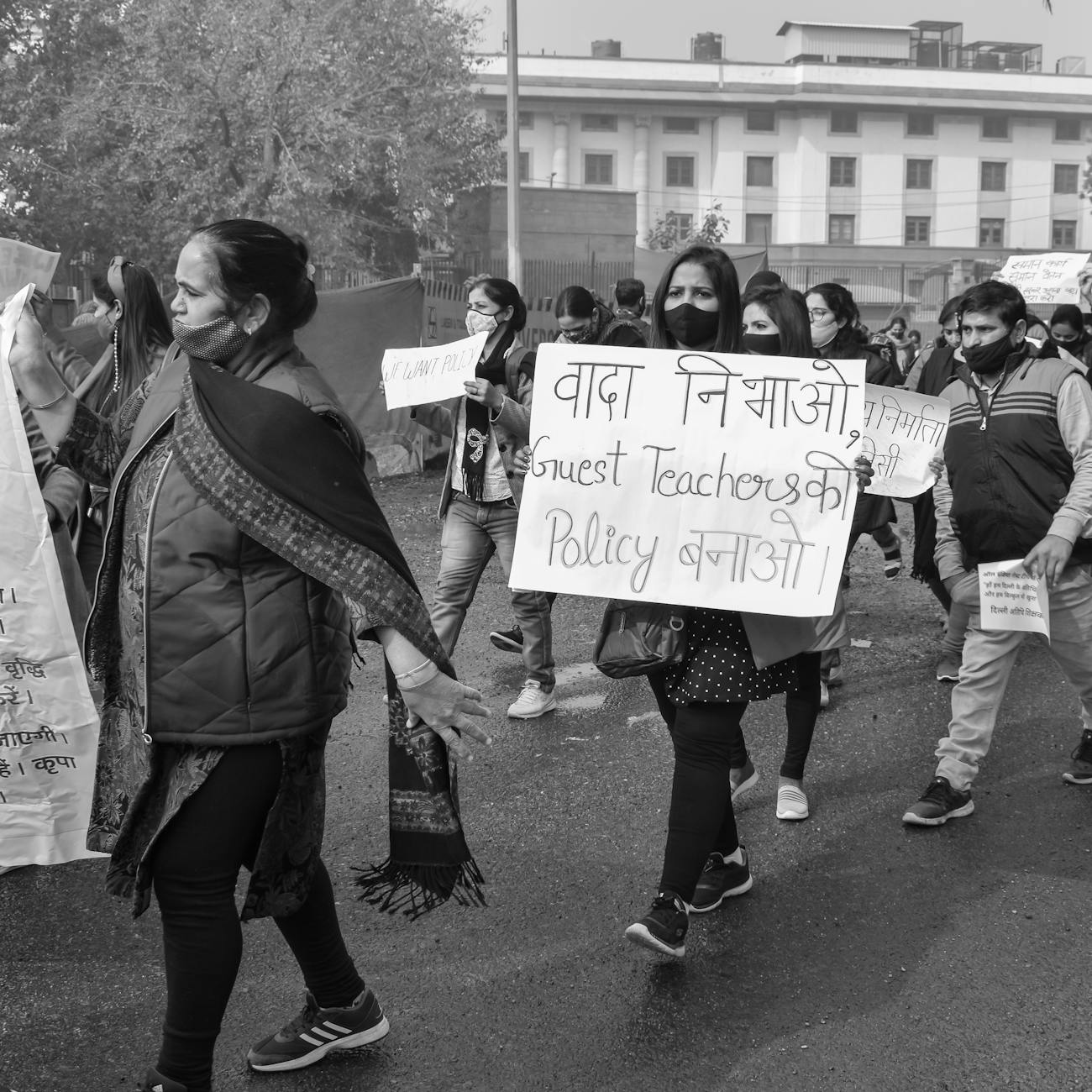
The Supreme Court of India's recent ruling on the regularisation of para-teachers has added a new layer of complexity to an issue that has long been simmering. While para-teachers across various states are clamouring for job security and a pay hike, the apex court has clarified that such regularisation is not a given right but contingent upon meeting specific educational qualifications set by the state governments.
This clarification comes as thousands of para-teachers took to the streets, particularly around the Vidhan Sabha, demanding a more secure employment status. The court's pronouncement, referencing the landmark case of Secretary, State of Karnataka v. Umadevi, underscores the necessity for para-teachers to have been appointed through a sanctioned post following a proper selection process, and not merely based on the duration of their service.
Justice, the court noted, should not be dispensed at the cost of meritocracy. Regularising employees who have not gone through formal selection would, as the court suggested, be unfair to those who were never afforded the opportunity to compete for these roles. The ruling iterates the principle that procedural regularity and established norms in hiring practices cannot be bypassed for convenience.
The backdrop to this legal discourse is the fervent demand from the All Nagaland Adhoc Teachers Group of 2015, among others, pressing governments for immediate regularisation under varied state policies. Despite the court's stance, the issue remains complex, with many para-teachers arguing that the qualifications now imposed were never earlier insisted upon, thus raising questions about retrospective policy applications.
As the dust settles on this latest legal intervention, it remains clear that the path to regularisation for para-teachers is fraught with bureaucratic hurdles and legal stipulations. The states now bear the onus to define clear educational standards and ensure that the recruitment processes align with these judicial guidelines.