Supreme Court To Hear Plea On Regulating Religious Schools For Children
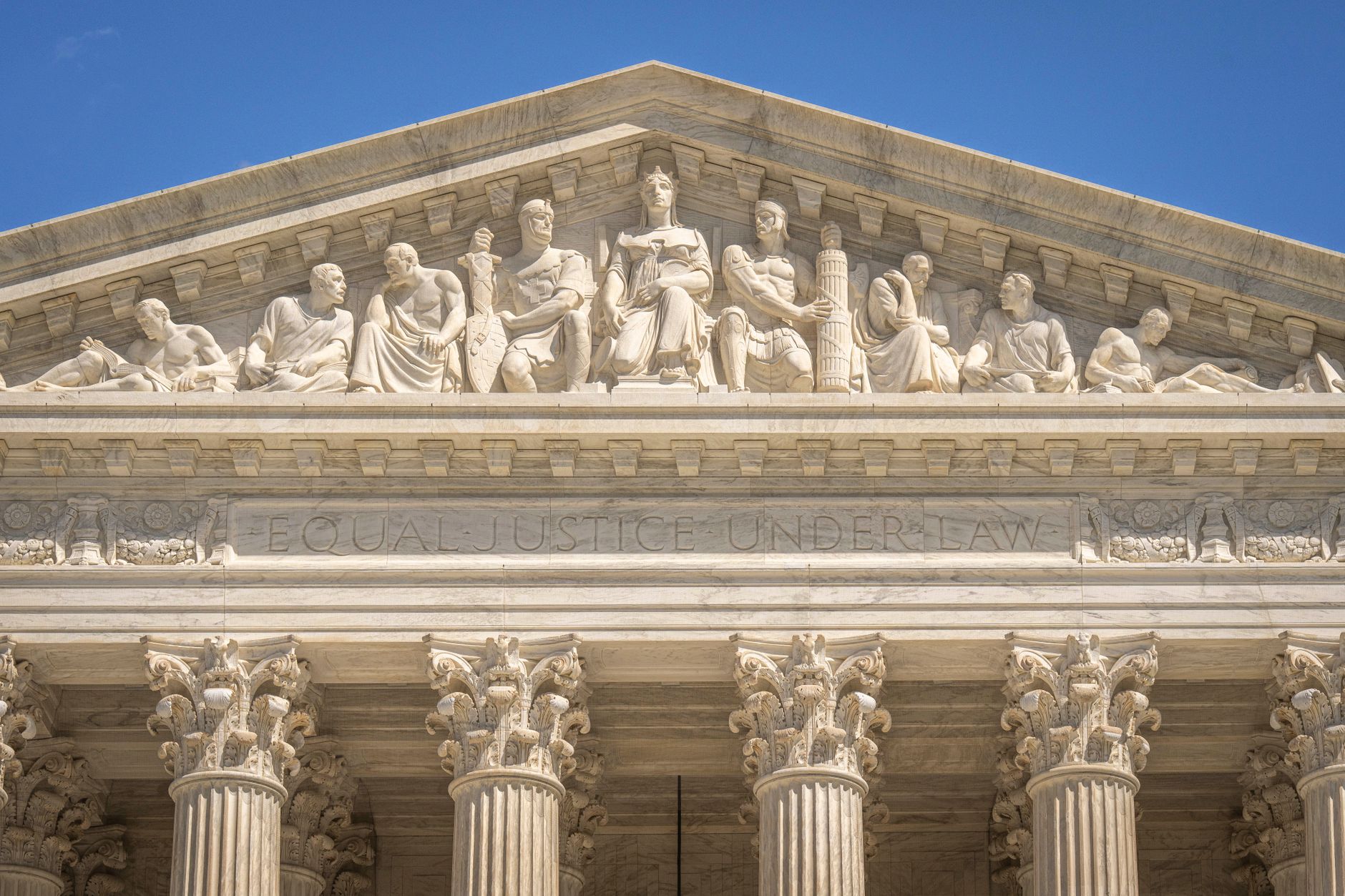
In a move that could have significant implications for the educational landscape in India, a Public Interest Litigation (PIL) has been submitted to the Supreme Court, seeking regulation and oversight of all religious schools catering to children under the age of 14. The plea, filed by advocate Ashwini Kumar Upadhyay, challenges the current interpretation of Article 30 of the Indian Constitution, which is often invoked to protect the rights of minority institutions.
The petition contends that Article 30 should extend protection solely to institutions imparting secular or professional education, rather than those providing religious instruction. Currently, the article safeguards the rights of minorities to establish and administer educational institutions of their choice. However, the PIL raises questions about whether this constitutional right should cover schools primarily focused on religious teachings.
Article 30 Under Scrutiny
Article 30 has long been a cornerstone in the debate over educational rights in India, particularly in the context of minority communities. By calling for a clear distinction between secular and religious education, the PIL seeks to establish a framework under which religious schools would be subject to registration, recognition, and supervision by educational authorities.
Such a move could potentially reshape the educational infrastructure, ensuring that all children receive a certain standard of education, irrespective of the religious nature of the institution. The plea argues that without regulation, children attending these schools might be deprived of a holistic education that includes essential secular subjects.
The Legal and Social Implications
The Supreme Court bench comprising Justices Dipankar Datta and Satish Chandra Sharma is expected to hear the matter soon. This case could set a significant precedent, potentially influencing how educational rights are balanced with religious freedoms in India. While the PIL seeks to ensure educational equity, it also raises broader questions about the autonomy of religious institutions and the role of the state in regulating education.
The outcome of this case could have far-reaching consequences for educational policy, particularly in multi-religious and multicultural societies like India. As the nation awaits the court's decision, the debate over the appropriate scope of Article 30 continues to stir discussions among legal experts, educators, and policymakers.