Suresh Gopi Calls for Urgent Reforms in Education Sector

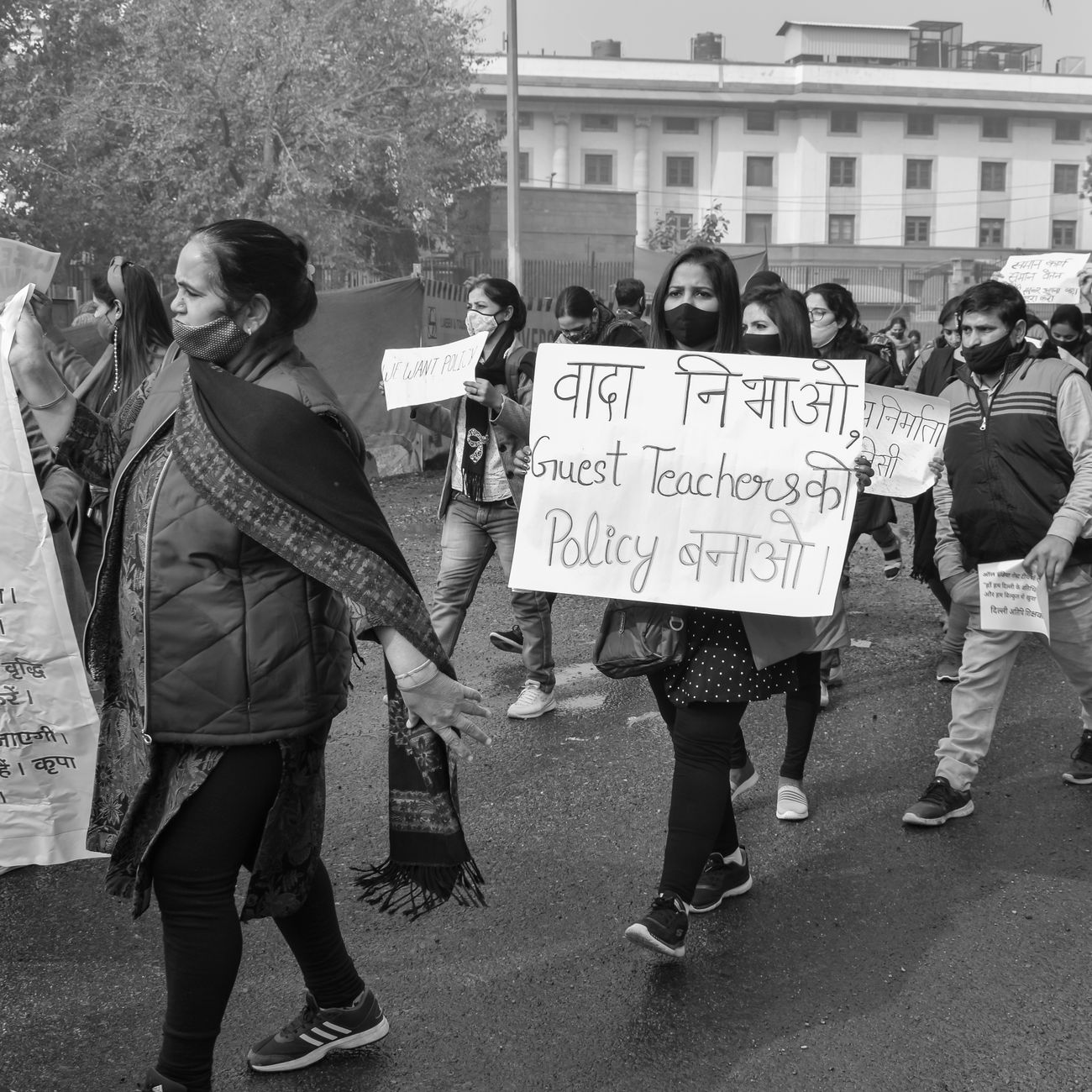
Suresh Gopi, an actor turned politician, has stirred the educational pot by insisting on the necessity for immediate reforms in the education sector. Speaking at a recent event, Gopi emphasised the critical nature of these reforms, stating that they are essential to elevate the quality of education, which has been under scrutiny for some time.
The Indian education system, often criticised for its rote learning methods and lack of practical application, needs a revamp, according to Gopi. He argued that without timely intervention, the system risks failing future generations. 'We cannot ignore the cracks in our educational framework,' he remarked, highlighting the need for a curriculum that encourages critical thinking and innovation.
Why Reforms Matter
Education experts have long debated the efficacy of the current system, which many believe stifles creativity and does not adequately prepare students for the real world. Gopi's comments resonate with this sentiment, advocating for a shift from traditional methods to more modern, dynamic approaches.
The call for reform is not just about improving academic outcomes but also about preparing students to face global challenges. As the world becomes increasingly interconnected, the ability to think critically and adapt to new situations is more crucial than ever.
Stakeholders' Response
Gopi's call to action has not fallen on deaf ears. Educators, policymakers, and parents have expressed support, recognising that change is overdue. However, the path to reform is fraught with challenges, including resistance from those who benefit from the status quo.
Implementing meaningful change will require a concerted effort from all stakeholders. It involves rethinking curricula, retraining teachers, and investing in infrastructure. Yet, the potential benefits—producing well-rounded, competent individuals ready to contribute to society—make the endeavour worthwhile.
In conclusion, while the road to educational reform is complex, Gopi's timely intervention has reignited a crucial conversation. The future of education depends on the willingness to adapt and innovate, ensuring that students are not just literate but truly educated.