Surviving the Lunar South Pole: A Test of Human Ingenuity
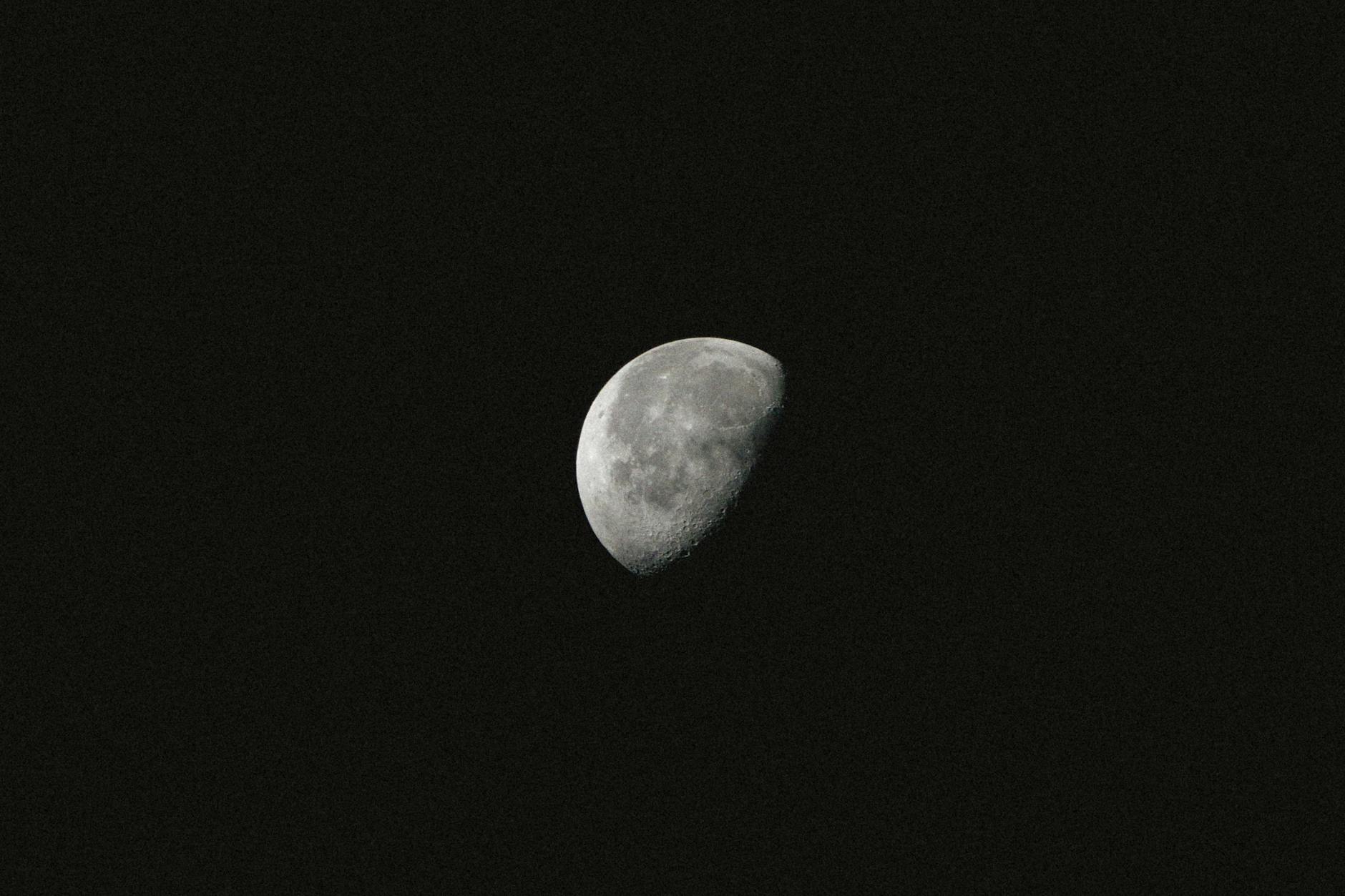
In a realm where shadows stretch into eternity and sunlight is a rare visitor, the lunar South Pole presents a formidable challenge to space agencies worldwide. It is a place of extremes, where the temperature can plummet to -230 degrees Celsius, and the terrain is as rugged as it is alien. Yet, it is here that nations are focusing their efforts, lured by the promise of untapped resources and the prestige of a successful mission.
India's recent lunar rover mission has shed light on the region's potential. Discoveries of sulphur and other elements have ignited hopes of utilising these materials for future lunar constructions. The concept of mining water ice, converting regolith into construction materials, and extracting minerals for manufacturing is no longer confined to the realm of science fiction.
The Harsh Reality
However, the path to conquering the lunar South Pole is fraught with challenges. The terrain is littered with craters, and the constant play of light and shadow complicates navigation. Lunar dust, notorious for its abrasiveness, poses a threat to both machinery and human explorers. Developing technology that can withstand these conditions is a task that tests the limits of human ingenuity.
Yet, the rewards are potentially immense. Water ice, once mined and purified, can support life and fuel further space exploration. Building materials derived from lunar soil could pave the way for a sustained human presence on the Moon, making it a hub for future interplanetary missions.
A Global Endeavour
The race to the lunar South Pole is not just about national pride; it is a collaborative effort that could redefine humanity's relationship with space. With countries like the United States, China, and Russia joining the fray, the technological innovations spurred by this competition could have far-reaching impacts, extending beyond lunar exploration.
In the end, the lunar South Pole stands as a testament to the resilience and ambition of human exploration. As we edge closer to establishing a foothold on this unforgiving terrain, we are reminded that the final frontier is not just about reaching new heights, but about pushing the boundaries of what is possible.