Synthetic Life: Unraveling the Mysteries of SpudCell
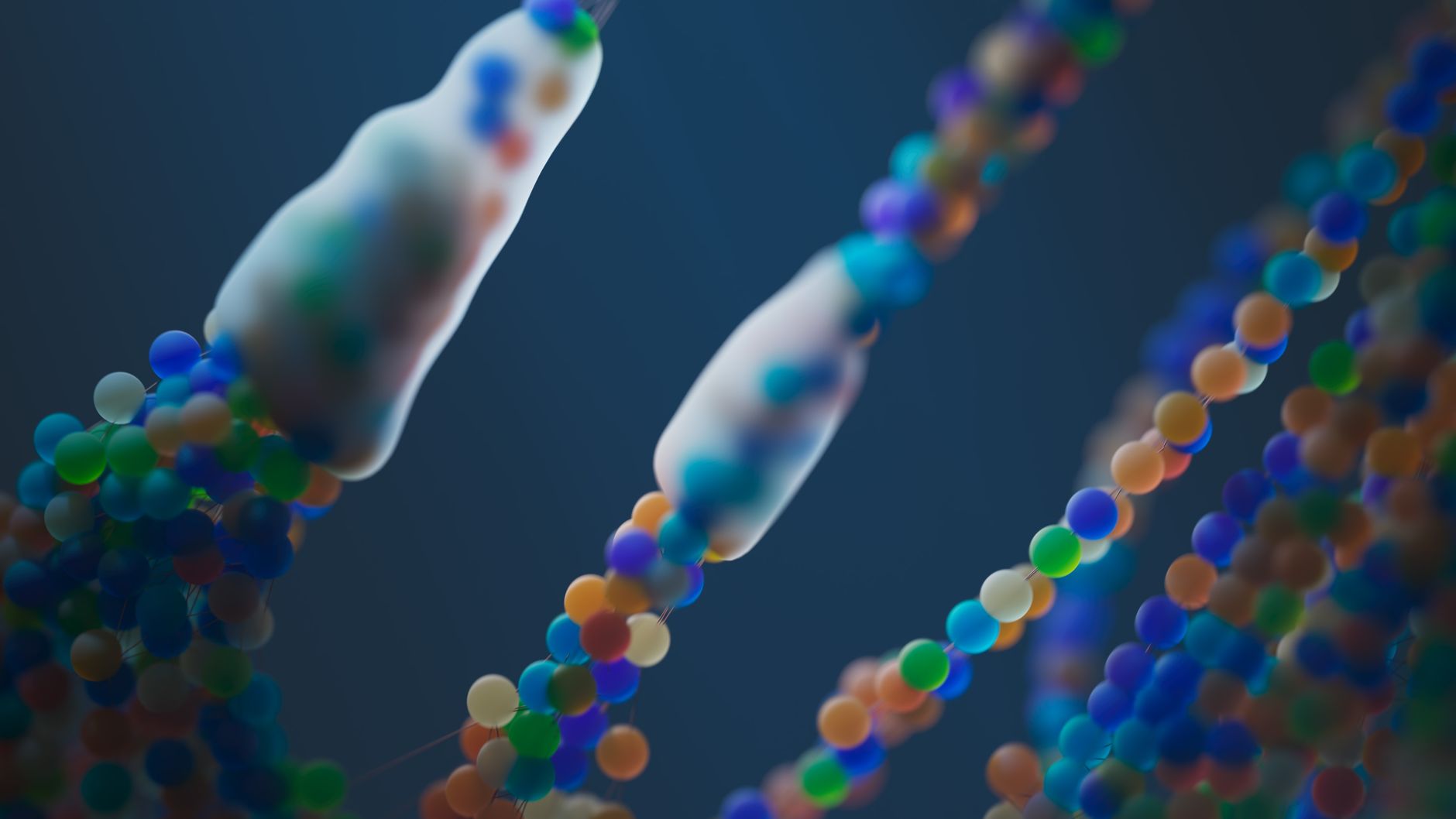
In a quiet corner of the University of Minnesota, a scientific marvel is quietly whirring to life. Researchers have constructed a synthetic cell, whimsically dubbed SpudCell, that seems to mimic the fundamental processes of life. Unlike previous attempts that started with existing biological material, SpudCell is a creation from scratch.
The SpudCell, squirming in its petri dish, represents a leap forward for synthetic biology. It feeds, grows, and replicates—functions that are hallmarks of living organisms. This achievement is not merely a technical triumph but a philosophical one, challenging our understanding of what it means to be alive.
Why SpudCell Matters
The creation of SpudCell is not a mere academic exercise. It holds the promise of significant applications in medicine, environmental science, and beyond. Synthetic cells could be engineered to produce pharmaceuticals more efficiently or aid in environmental clean-up by breaking down pollutants.
However, with great scientific power comes ethical responsibility. The ability to create life-like systems from scratch raises questions about the boundaries of human ingenuity and the ethical implications of 'playing God'. These debates are not new, yet each advance in synthetic biology brings them into sharper focus.
A New Chapter in Biology
Historically, the journey to create life has been filled with incremental steps. Scientists have long tinkered with the DNA of existing organisms, but SpudCell takes this one step further. It opens up possibilities not just for creating life but for a deeper understanding of life's building blocks.
As SpudCell continues its silent dance under the microscope, the scientific community watches closely. The implications of this development are vast, prompting a reevaluation of life's definition and the potential to harness synthetic biology for the greater good.