Tamil Nadu Halts Controversial Housing Project in Marshland
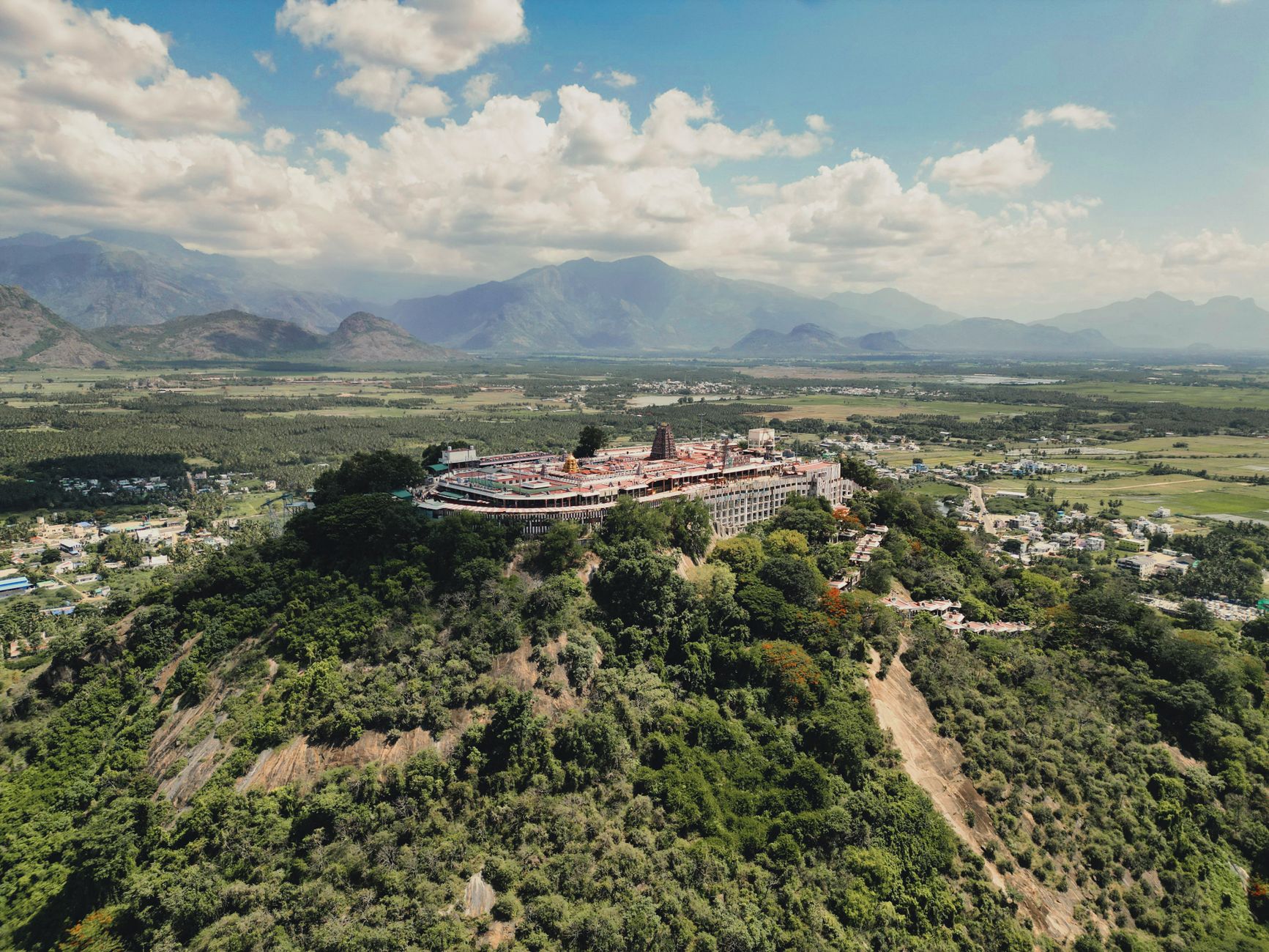
The fate of Brigade Morgan Heights, a proposed residential project in the heart of Perumbakkam, has taken a dramatic turn. The Tamil Nadu State Environment Impact Assessment Authority (SEIAA) has revoked its environmental clearance, casting a spotlight on the precarious balance between development and ecological preservation.
The project, which ambitiously aimed to construct approximately 1,250 residential units on a sprawling 14.7-acre site, found itself mired in controversy due to its location within the Pallikaranai marshland. This area, designated as a Ramsar wetland, is one of the few remaining natural habitats in Chennai, playing a crucial role in flood mitigation and biodiversity support.
Activists have hailed the SEIAA's decision as a victory for the environment. "This is a significant win for nature conservation," stated a spokesperson for a local NGO, which had been vociferously campaigning against the project. Concerns were raised about the potential damage to the marshland's delicate ecosystem, which supports a variety of flora and fauna, some of which are endangered.
The Brigade Enterprises Ltd., the developer behind the project, experienced a noticeable dip in its stock value, reflecting investor concerns. However, the Tamil Nadu government remains adamant that the clearance was initially granted following due procedure, dismissing any allegations of impropriety.
Development vs. Conservation
The Pallikaranai marshland, once a sprawling 50-square-kilometre expanse, has shrunk considerably due to urban encroachment. Its Ramsar designation in 2002 was a pivotal step in recognising its global ecological importance. Despite this, it has been a battleground for developers and conservationists alike.
The SEIAA's decision is a testament to the growing influence of environmental activism in India. Yet, it also highlights the challenges faced by a rapidly urbanising nation where the demand for housing often conflicts with the need to preserve natural habitats.
As the debate continues, the revocation serves as a reminder of the importance of sustainable development, where economic ambitions must be carefully weighed against environmental stewardship. For now, the marshland remains a haven for wildlife and a buffer against the city's flooding woes — a natural treasure that might have narrowly escaped ruin.