Tamil Nadu Halts Major Housing Project over Wetland Concerns
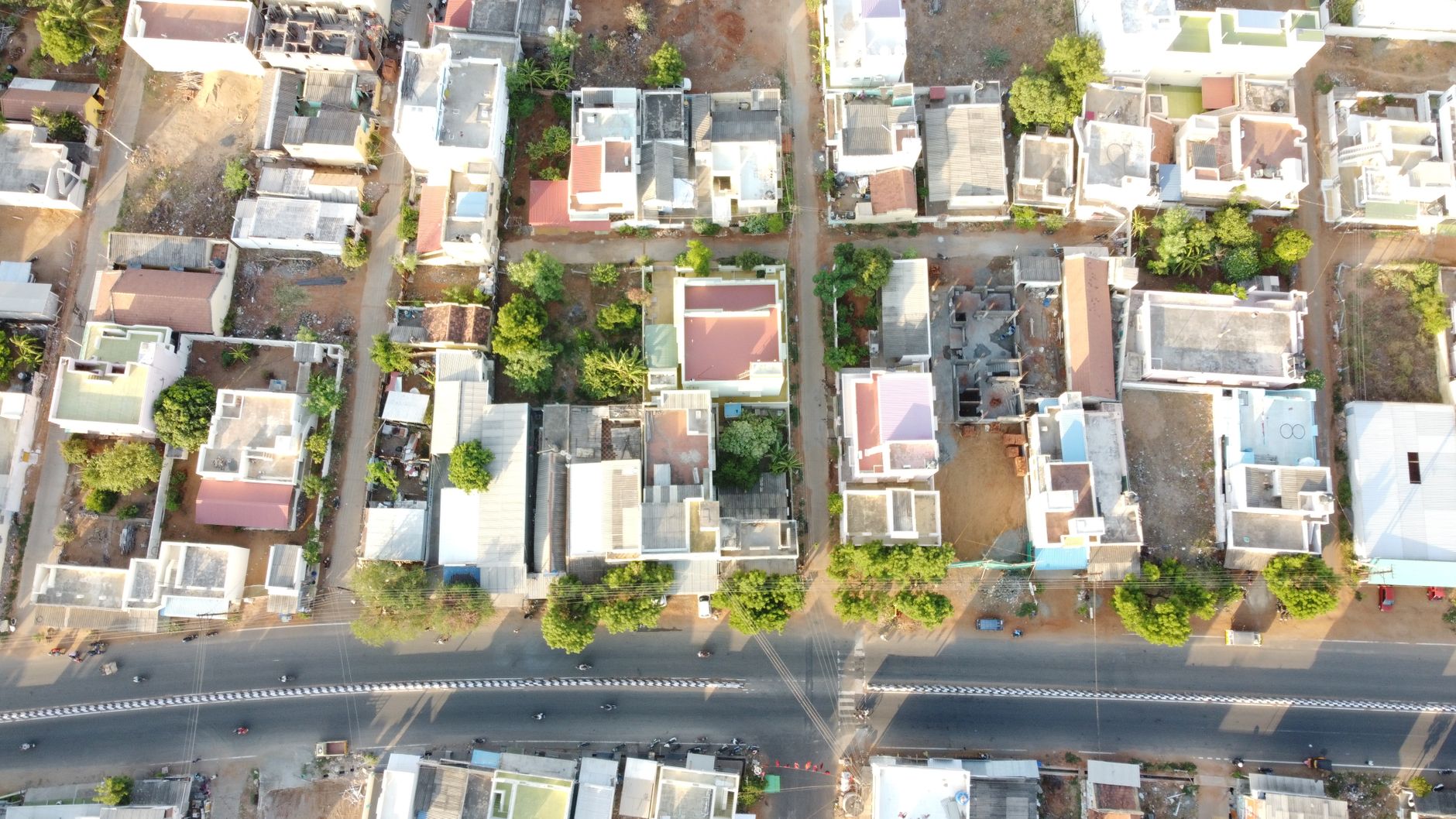
The Tamil Nadu government has put a halt to a significant Rs 2,000-crore housing development by Brigade Enterprises, marking a crucial juncture in the ongoing battle between urbanisation and environmental conservation. This project, intended to construct approximately 1,400 housing units, was slated to rise near the ecologically sensitive Pallikaranai marshland in Perumbakkam, Chennai.
Environmental clearance for the project has been rescinded by the state’s environment authority, a decision that underscores the increasing scrutiny on developments encroaching upon protected wetlands. The Pallikaranai marshland, a Ramsar site, plays a vital role in flood mitigation and biodiversity preservation, making it an area of significant environmental concern.
Environmental and Economic Impacts
For Brigade Enterprises, this revocation represents a financial and strategic setback. With the company's shares already experiencing a 2% dip following the announcement, the economic implications are apparent. However, the environmental stakes are equally, if not more, substantial. The marshland's ability to act as a natural sponge during heavy rains is crucial for a city that frequently grapples with flooding.
Conservationists have long argued that constructions near such sensitive areas threaten Chennai’s ecological balance and exacerbate flood risks. The project has been mired in controversy since its inception, with local activists and environmentalists raising alarms about its potential impacts.
Balancing Development and Conservation
While urban development remains a priority for Tamil Nadu, this decision signals a growing recognition of the need to balance infrastructural growth with environmental stewardship. The state’s stance highlights the challenges governments face globally as they navigate the demands of economic development while safeguarding natural resources.
This halt not only reinforces the importance of environmental compliance but also serves as a reminder of the vigilance required to protect vulnerable ecosystems. As Chennai continues to expand, the precedent set by this decision will likely influence future projects, emphasising the need for sustainable development practices.