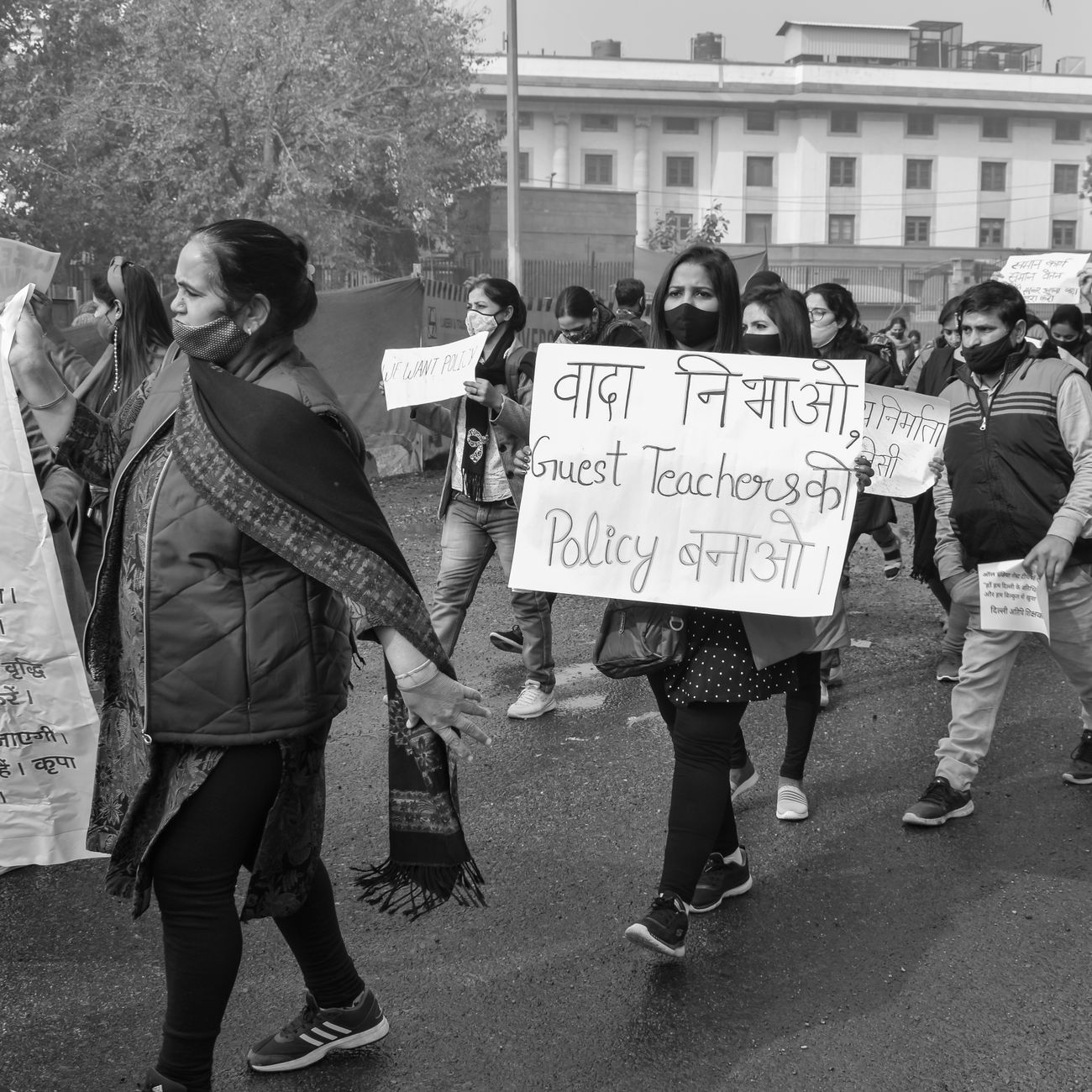
Tamil Nadu Stands Firm on Two-Language Policy in Schools
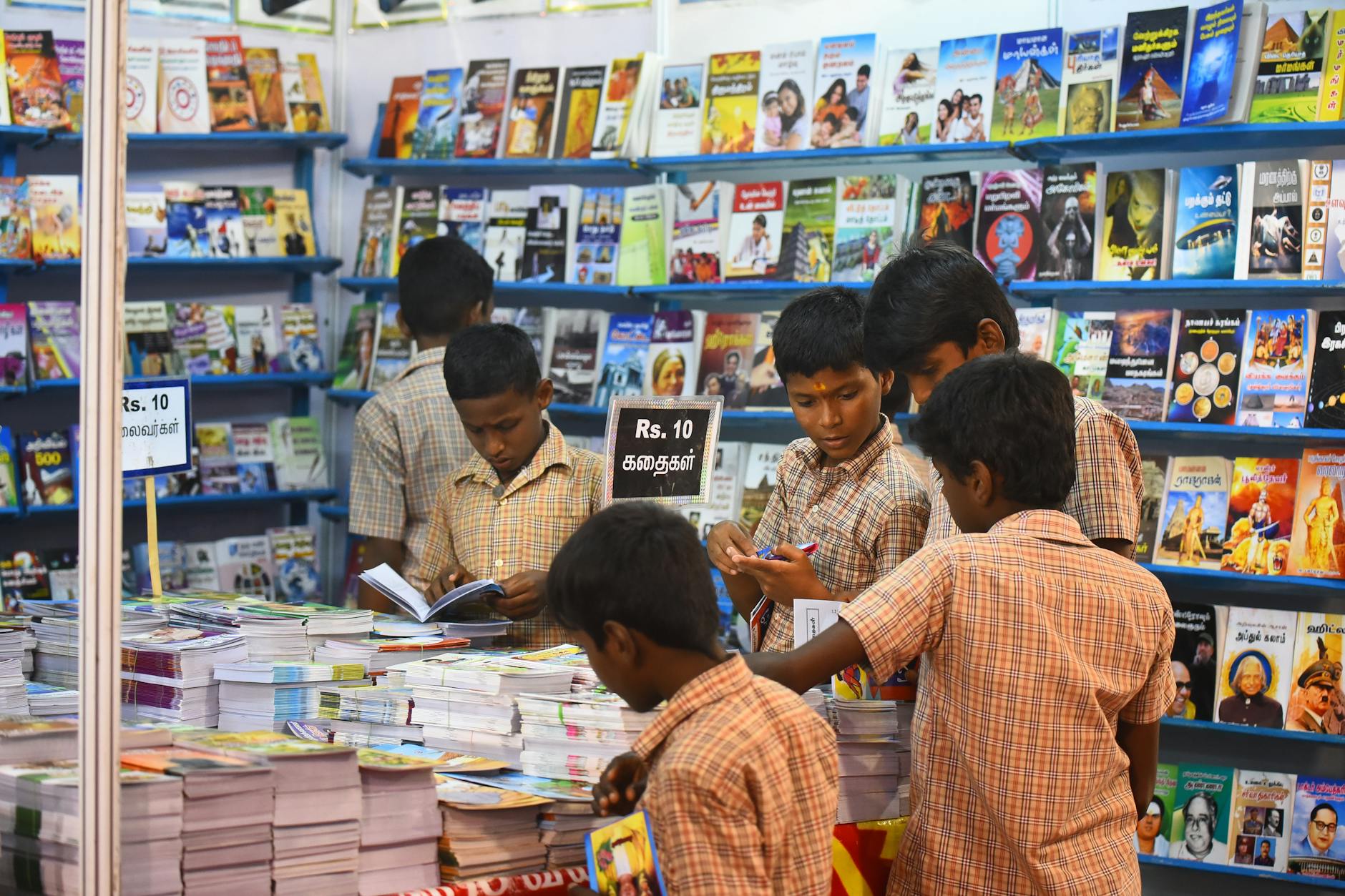
In a resolute declaration, Tamil Nadu's School Education Minister, A. Rajmohan, has confirmed the state's unwavering adherence to its two-language policy in schools. This announcement, made on Tuesday, comes as a clear defiance of the recently adopted three-language formula by the Central Board of Secondary Education (CBSE).
The Tamilaga Vettri Kazhagam (TVK) government, under Chief Minister Vijay, has once again prioritised linguistic and cultural identity over broader national educational trends. "The commitment to our two-language policy is not just an educational decision but a cultural affirmation," Minister Rajmohan stated, addressing concerns over the potential introduction of Hindi as a third language.
This announcement was made alongside the release of revised textbooks for Classes 1 to 3, which continue to support the teaching of Tamil and English exclusively. While the central government has been pushing the PM SHRI Scheme to integrate a third language, Tamil Nadu remains steadfast in its educational philosophy.
Historical Context and Cultural Implications
Tamil Nadu's insistence on a two-language policy is deeply rooted in its historical resistance to the imposition of Hindi. The state has long championed the cause of linguistic diversity, often clashing with central mandates perceived as a threat to regional languages.
Since the anti-Hindi agitations of the 1960s, Tamil Nadu has maintained a distinct linguistic stance, which has been reflected in its educational policies. The current decision reiterates this position, ensuring that local identity and language are preserved in the face of growing national pressures.
Reactions and Future Prospects
The announcement was met with a mix of approval and critique. Supporters argue that it safeguards Tamil culture and identity, while critics suggest it may hinder students' competitive edge in national forums where Hindi often predominates.
As debates continue, the TVK government's decision highlights the ongoing tension between regional autonomy and national integration in India's educational landscape. Whether this policy will evolve remains to be seen, but for now, Tamil Nadu stands resolute in its linguistic convictions.