Tamil Nadu Upholds Two-Language Policy in Schools, Affirms Minister
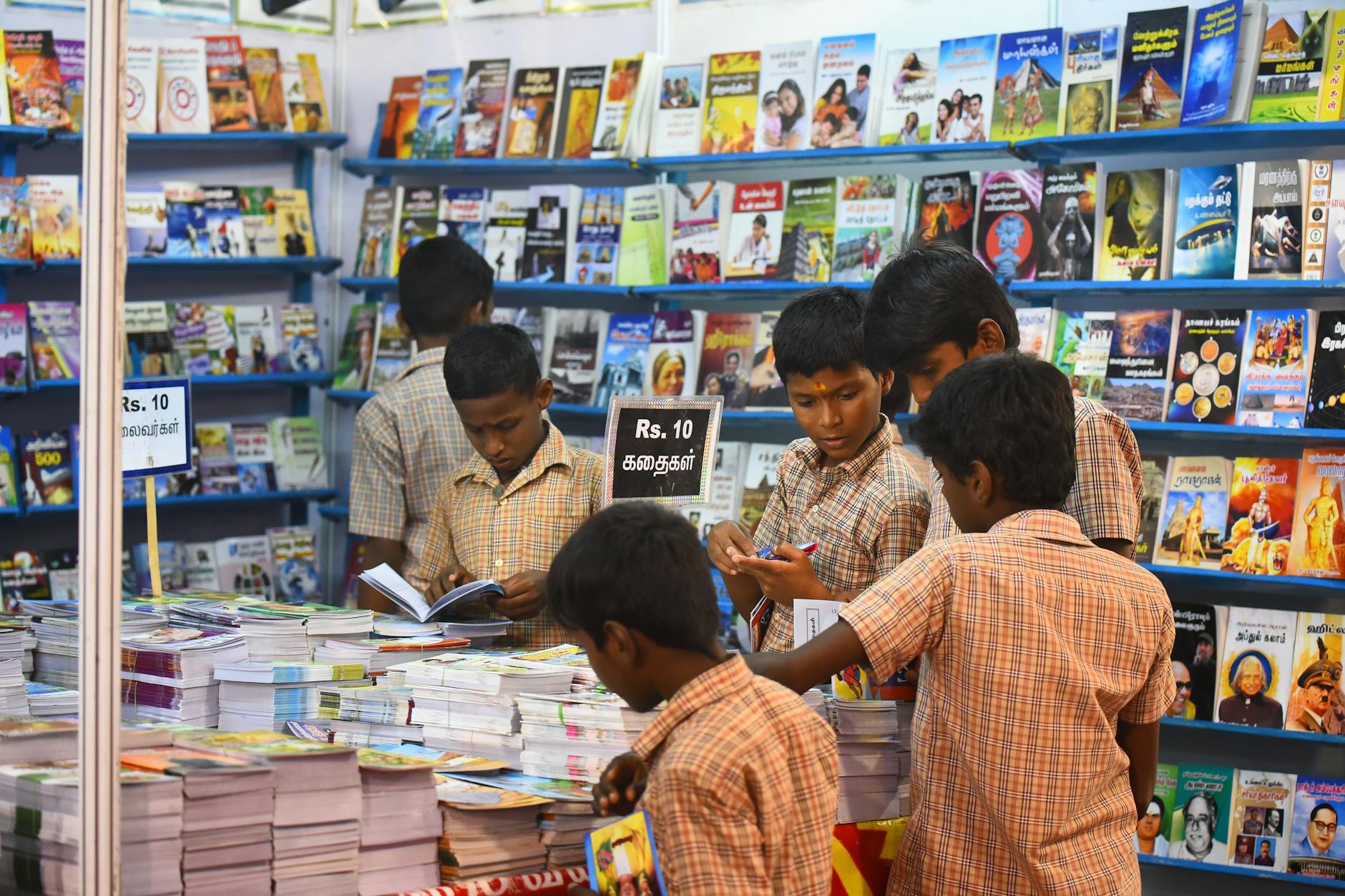
Tamil Nadu's Education Minister, A Rajmohan, has made it unequivocally clear: the state will stand by its longstanding two-language policy, teaching only Tamil and English in schools. This announcement comes amidst growing national conversations about integrating a third language into school curricula as part of the central government's educational reforms.
Speaking at a media briefing following his inaugural review meeting, Minister Rajmohan emphasised that the two-language policy is not just a matter of educational strategy but a fundamental tenet of the Tamilaga Vettri Kazhagam (TVK) government. 'Our linguistic policy is deeply rooted in our cultural identity and historical context,' he noted, underscoring the state's resistance to adopting the three-language formula promoted by the central government.
Resisting Central Influence
The policy has been a subject of debate, especially in the context of the PM SHRI Scheme, which aims to standardise educational frameworks across India. Tamil Nadu's decision to uphold its two-language system highlights the state's commitment to preserving its unique educational ethos, which prioritises regional language and culture over national uniformity.
Critics of the two-language policy argue that excluding a third language, such as Hindi, may limit students' opportunities in a globalised world. However, proponents assert that the policy ensures a focus on strengthening proficiency in Tamil and English, both essential for local and international communication.
A Matter of Identity
For Tamil Nadu, retaining the two-language policy is as much about education as it is about cultural and political identity. The state's history of linguistic pride has often positioned it at odds with central policies perceived to undermine regional autonomy. By maintaining its stance, the TVK government reaffirms its commitment to a distinctive educational path that aligns with the aspirations and traditions of its people.
As the debate continues, the future of Tamil Nadu's educational approach remains a testament to the enduring power of regional identity in a rapidly centralising nation.