Tech and Policy: The New Frontiers of Women's Health in India
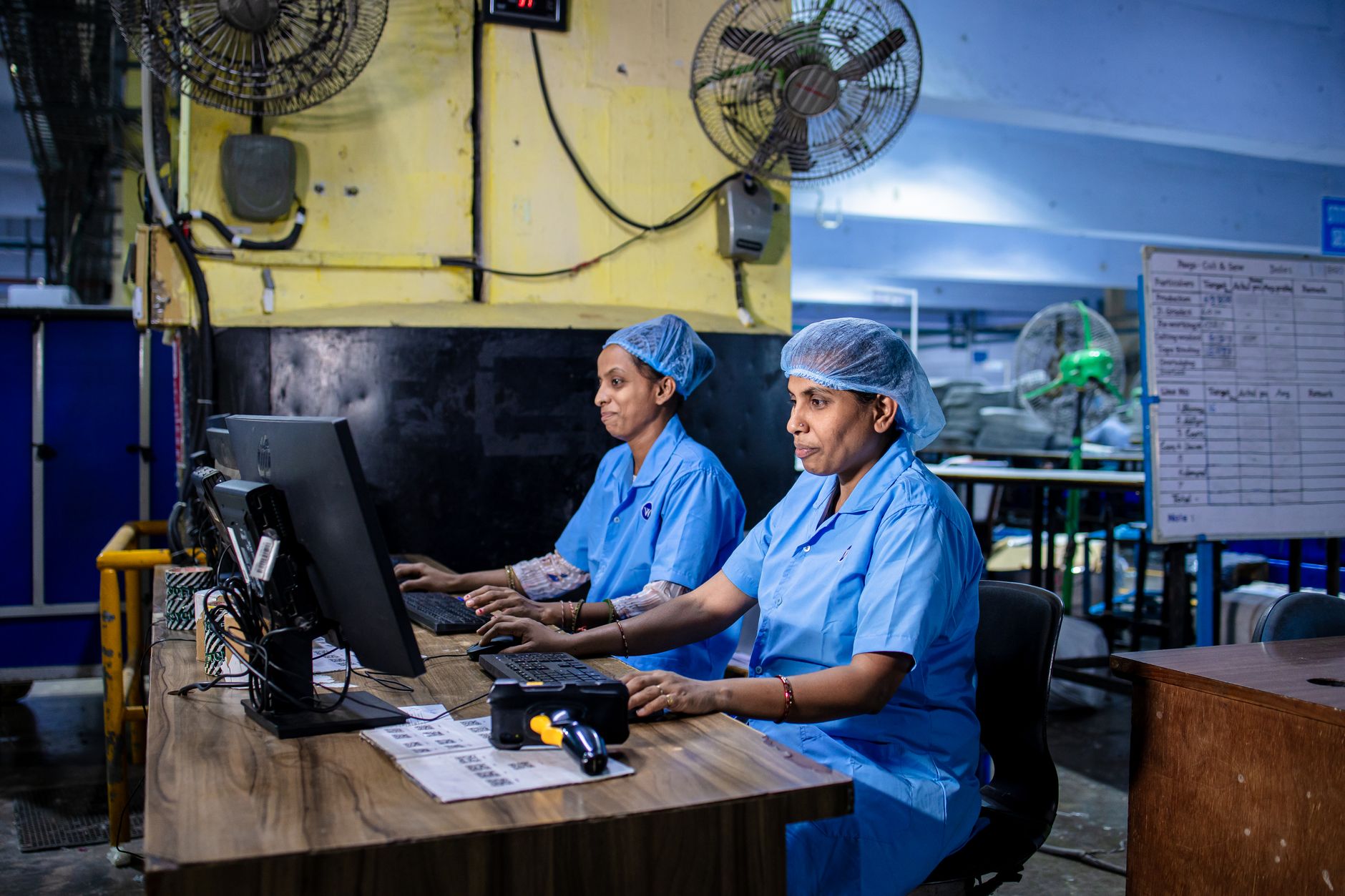
India stands at a crossroads in redefining women's health, bolstered by technology and progressive policy reforms. The recent emphasis on a life-course approach to health care seeks to address the long-standing issues faced by women, from inadequate maternal health services to a lack of economic participation.
The integration of technology into healthcare delivery is a significant step forward. Digital health platforms are becoming pivotal, offering solutions that range from AI-enabled diagnostics to comprehensive digital health records. These innovations are not mere conveniences; they represent essential tools in bridging the healthcare gap for millions of Indian women, especially in rural areas where traditional healthcare infrastructure may falter.
In addition to technological advancements, policy reforms play a critical role. Recent data from the National Family Health Survey (NFHS-5) highlighted that only 32% of currently married women are part of the workforce, with a mere 15% receiving payment for their labour. This stark statistic underscores the need for systemic change. By reimagining workforce participation through gender-sensitive policies and employer health models, India could see a substantial increase in women's economic empowerment.
The Role of Financing
Financial strategies are equally pivotal in this transformation. The development of innovative financing models, such as micro-insurance and community funding, can provide women with the necessary resources to access and utilise healthcare services effectively. These models aim to eliminate financial barriers that historically limit women's access to quality health care.
Moreover, the focus on health literacy cannot be overstated. Educating women about their health rights and available services is crucial in empowering them to make informed decisions. Health literacy initiatives are being tailored to be culturally sensitive and linguistically appropriate, ensuring they resonate with diverse communities across India.
In essence, India's journey towards enhancing women's health is multifaceted. It involves a delicate balance of technological innovation, policy reform, and financial strategies. As these elements converge, they hold the potential to redefine what it means to be a woman in India, ensuring lifelong well-being and economic parity.